Trump Delays Russia Sanctions, Citing Ukraine Talks and Diesel Supply
The US president paused steep Russia-linked tariffs, tying the decision to peace negotiations, Iran and global diesel-market stability.
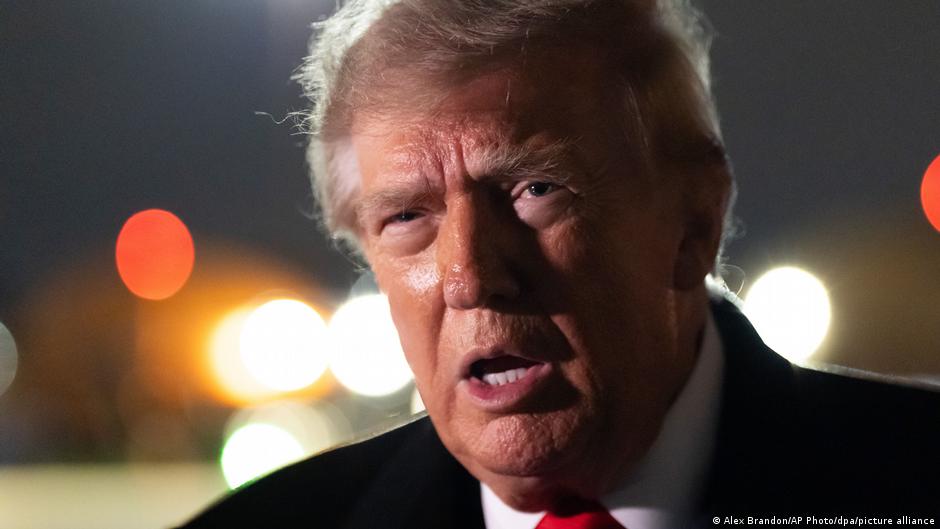
US President Donald Trump said he has postponed what he described as “hellish sanctions” against Russia, keeping a potentially significant trade and energy-market measure in reserve while Washington pursues negotiations over the war in Ukraine.
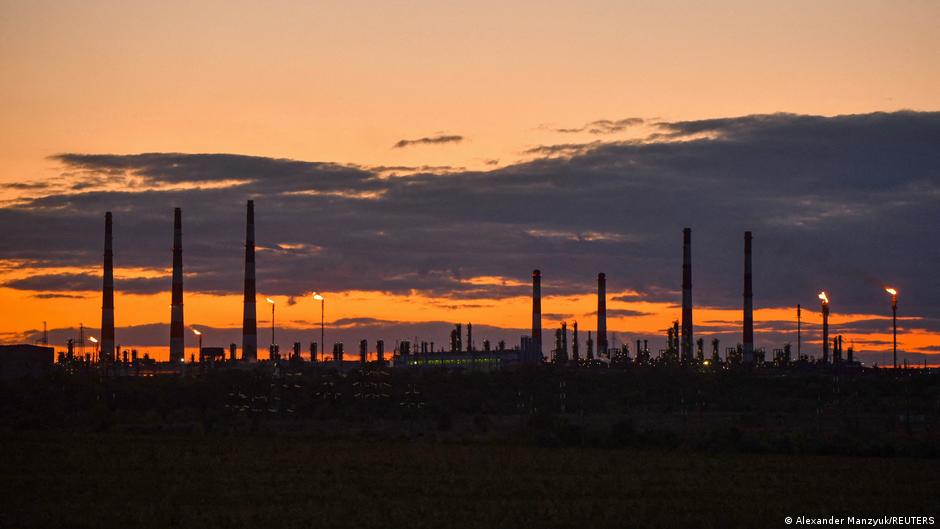
In a post on Truth Social on Sunday, Oct. 18, Trump said he did not want new restrictions to drive Moscow away from the negotiating table. He also linked the decision to Russia’s limited assistance to Iran and raised concerns about Ukrainian attacks on Russian oil refineries, arguing that the strikes were damaging the global diesel market, including supplies affecting the United States.
The announcement leaves traders facing continued uncertainty over the timing of sanctions that could affect Russian goods, major buyers of Russian oil and gas, and countries accused of helping Moscow circumvent existing restrictions. Trump said he retained the authority to impose the measures whenever he considered it necessary.
“I can sign it later at any time, whenever I consider it necessary,” Trump said of the proposed legislation.
Tariff threat remains suspended
The legislation associated with Senator Lindsey Graham would impose additional tariffs of 500% on Russian goods. It also provides for tariffs of 100% on products from countries ranked among the five largest buyers of Russian oil and gas, as well as countries described as the most active in helping Moscow evade sanctions.
The law required Trump to introduce the restrictions by Oct. 18 but allowed him to pause the process if doing so served US national interests. Trump exercised that authority on Oct. 17, according to the source report.
Trump characterized his approach to Russia as straightforward, saying that he was conducting peace negotiations over the Russia-Ukraine war and did not want to take steps that could push Russia away from the talks. He claimed that significant progress had already been achieved in negotiations with Moscow, including on the release of prisoners.
For energy and commodity markets, the delayed action removes an immediate sanctions deadline but preserves the risk of a sudden policy shift. The scale of the proposed tariffs could have consequences for Russian export flows and for major importing countries if the measure is later activated. Trump did not announce a revised deadline for a decision.
Iran and diesel supplies shape the decision
Trump said another important consideration was that Russia was providing Iran with almost no assistance, at least compared with the support it could offer. He said he wanted that situation to continue and warned that poorly judged actions could interfere with it.
The president also renewed his criticism of Ukrainian President Volodymyr Zelensky over Ukrainian attacks on Russian refineries that produce diesel fuel. Trump argued that Zelensky understood the strikes were causing serious damage to the global diesel market, including the US market.
Trump said farmers, ranchers and businesses across multiple industries were being hit hard, while Russia continued to supply millions of barrels of low-priced diesel to the global market. He accused Zelensky of disregarding those effects.
The comments place refined-product availability at the center of the sanctions debate. Russian refinery outages can influence diesel supply expectations beyond the immediate conflict zone, while secondary tariffs targeting leading buyers of Russian energy could alter trade routes and increase uncertainty for importers. The statement did not provide figures for current prices, trading volumes or the scale of refinery disruptions.
Trump intensifies criticism of Zelensky
Trump said he wanted to end Russia’s war against Ukraine but asserted that Zelensky was not seeking to conclude the conflict and perhaps never had been. He claimed Ukraine could have secured a considerably better agreement two years earlier than it could now.
The US president said Ukraine was in ruins, had lost a substantial portion of its territory, no longer had access to seas and oceans, and had seen its male population diminished, wounded or killed. These assertions were presented by Trump as part of his criticism of Kyiv’s negotiating position.
Trump’s decision therefore keeps two competing policy signals in play. The White House is withholding an immediate escalation in economic pressure to support negotiations and limit Russian cooperation with Iran, while retaining legislation that could sharply increase trade barriers against Russia and its main energy customers.
Markets will now have to assess the possibility that the sanctions pause lasts as long as talks continue, against Trump’s explicit warning that he may activate the measures whenever he judges the timing appropriate. The absence of a new timetable leaves Russian energy exports, diesel supply and exposed trading partners vulnerable to further headline-driven volatility.