US Military Launches Tenth Consecutive Day of Strikes Against Iran Amid Rising Tensions
CENTCOM reports targeted attacks on Iranian air defense and missile sites as Tehran responds with drone and missile strikes.
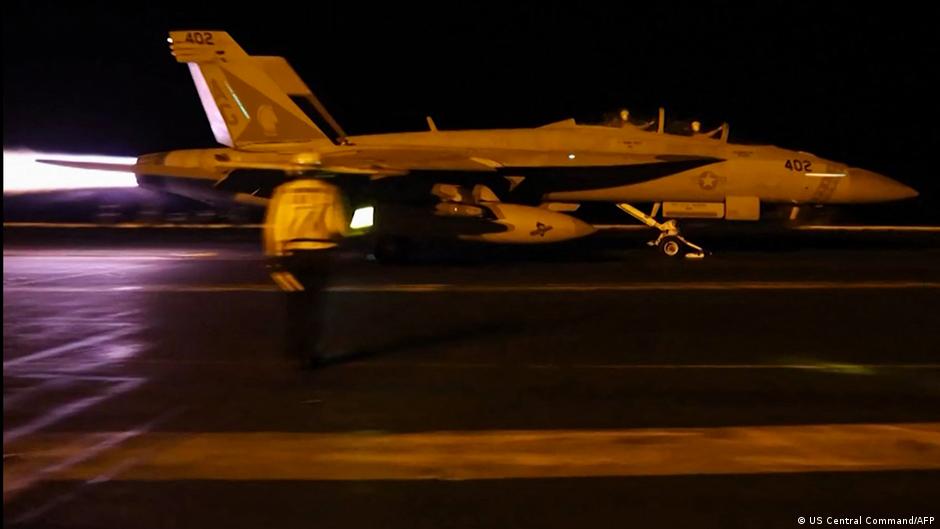
The United States military has conducted its tenth consecutive day of strikes against Iran, intensifying the ongoing conflict in the Persian Gulf region. On Monday, July 20, attacks commenced at 16:00 Eastern Time (22:00 Central European Time), targeting Iranian air defense systems and launch sites for rockets and drones, according to the U.S. Central Command (CENTCOM).
Operational Details and Strategic Impact
CENTCOM confirmed that the latest wave of strikes aimed to further degrade Iran's military capabilities, which have been used in recent attacks on civilian shipping vessels transiting the strategically vital Strait of Hormuz.
Details released after the strikes indicated that American forces targeted Iranian military command centers, missile and unmanned aerial vehicle (UAV) launch facilities, and air defense installations. These precise attacks are part of a broader campaign to weaken Tehran’s ability to threaten maritime navigation and regional security.
"These strikes are intended to further degrade Iran’s military capabilities used to attack civilian shipping in the Strait of Hormuz," stated CENTCOM on social media.
In response, Iran launched renewed missile and drone attacks in the Persian Gulf region on July 20. Reports confirmed that Kuwait and Jordan experienced hostile actions involving drones and missiles, signaling an escalation in cross-border hostilities.
Earlier, on July 18, Tehran officially declared the termination of a provisional ceasefire agreement with Washington that had been brokered in June. This framework aimed to negotiate a final peace accord within 60 days but was abandoned amid rising violence.
Political and Military Reactions
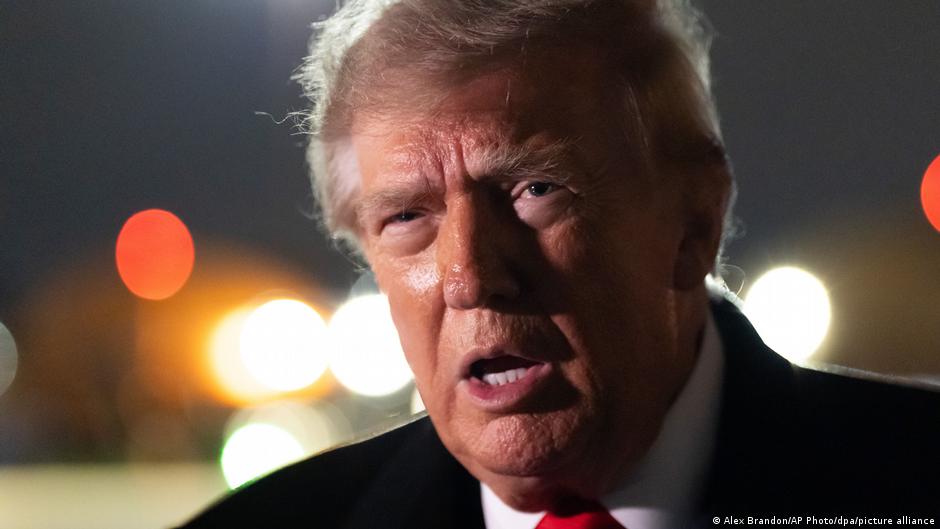
Hours before the new U.S. strikes, President Donald Trump threatened Iran with "multiple" retaliatory responses should American military personnel be killed in future attacks. He emphasized that any harm to U.S. soldiers would be met with disproportionate consequences and stated that Defense Secretary Pete Hegseth was fully briefed on these orders.
On July 19, following the FIFA World Cup final, Trump characterized the strikes as retribution for the deaths of American troops in the ongoing Iran conflict. "Last night we struck them very hard — in honor of those who have fallen," the president declared, underscoring the administration’s resolve to maintain military pressure.
The ongoing hostilities have already resulted in at least 17 U.S. military fatalities since late February, including three deaths reported by CENTCOM amid the current escalation.
Meanwhile, Iran’s Islamic Revolutionary Guard Corps (IRGC) announced on the night of July 20 that it had seized two oil tankers attempting to enter or exit the Strait of Hormuz via a southern route, labeling the vessels as acting "illegally." According to the state news agency Tasnim, the ships subsequently exploded.
Shipping activity through the Strait of Hormuz has notably declined due to the heightened military confrontation. Data from the London Stock Exchange revealed that only four vessels passed through the strait on July 19, down from eight on July 18, indicating a significant reduction in maritime traffic over the weekend.
The sustained U.S. strikes and Iranian countermeasures represent a dangerous escalation in an already volatile region critical to global oil supply chains. Market participants are closely monitoring developments, as disruptions to shipping through the Strait of Hormuz could have immediate consequences for energy prices and international trade flows.