US Lifts Blockade of Strait of Hormuz, Enabling Record Oil Transit Volumes
CENTCOM confirms cessation of US naval blockade as oil shipments surge and US-Iran negotiations commence
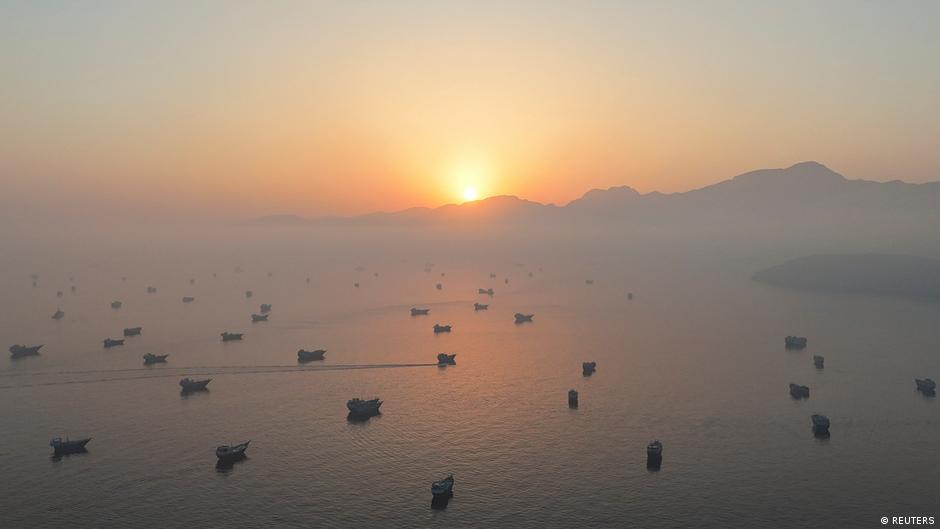
The United States has officially lifted its naval blockade of the Strait of Hormuz, according to a statement released on June 18 by the US Central Command (CENTCOM). The move follows an executive order from President Donald Trump, marking a significant de-escalation of tensions in a strategic shipping corridor critical to global oil supplies.
Record Oil Flows Through Hormuz After Blockade Lifted
CENTCOM declared that the US Armed Forces will no longer obstruct vessels heading to or departing from Iranian ports. While US military ships remain in the region to ensure compliance with the new agreement, all blockade measures have been terminated.
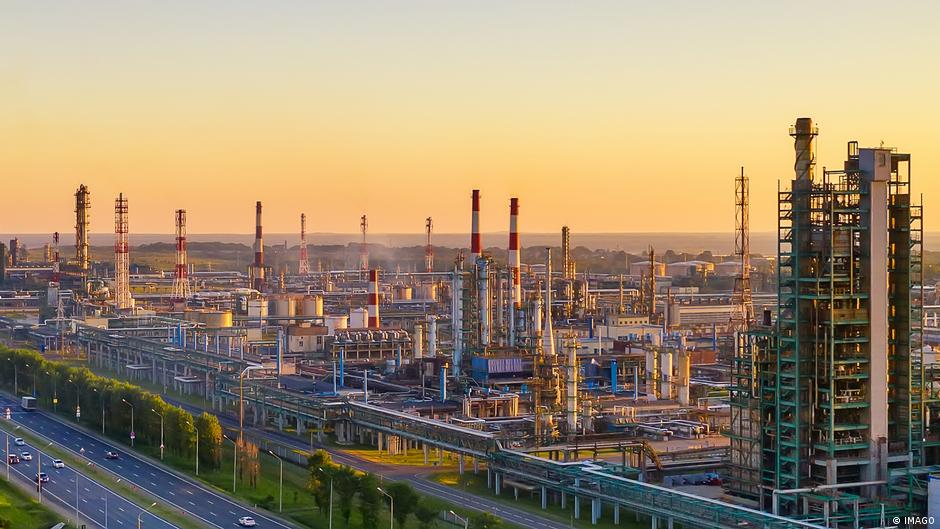
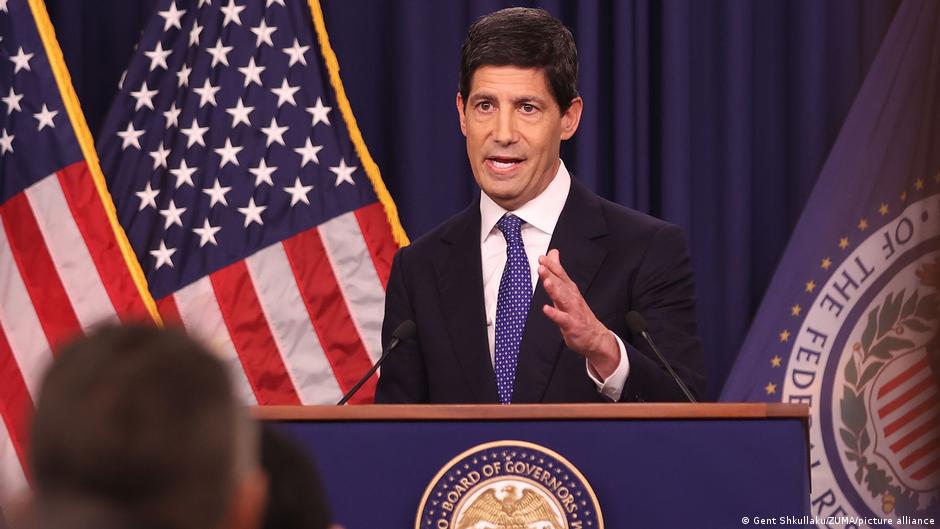
Vice President David James Vance disclosed during a briefing that in the past 24 hours, vessels transited the strait carrying an unprecedented volume of 12.5 million barrels of oil. This level of throughput is the highest recorded since the outbreak of hostilities between the US, Israel, and Iran on February 28.
"All US Armed Forces actions to enforce the blockade have ceased, though our naval presence will continue to ensure full implementation of the agreement," CENTCOM noted.
Moreover, Vance highlighted that Iran refrained from any hostile actions against shipping for a second consecutive night, signaling a potential easing of maritime conflict.
Diplomatic Progress and Terms of the Agreement
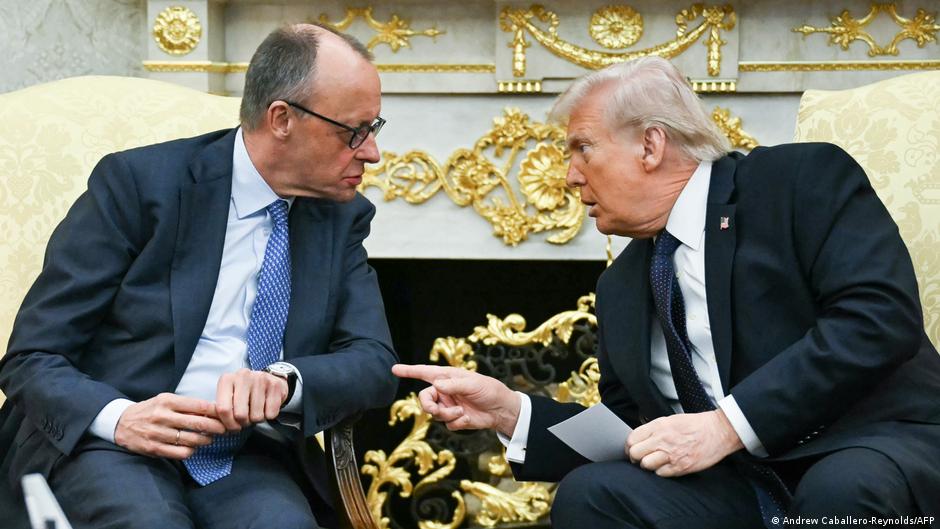
The lifting of the blockade coincides with the start of a 60-day negotiation period following the remote signing of a memorandum of understanding between Washington and Tehran on the night of June 18. The agreement aims to culminate in a final peace accord.
Initially, the memorandum signing was scheduled for July 19 in Switzerland, but expedited procedures allowed for an earlier reopening of the strait. Planned in-person talks between US Vice President Vance and Iranian Parliament Speaker Mohammad Bagher Ghalibaf remain on the calendar.
The 14-point document outlines several key provisions:
- Immediate ceasefire across all conflict zones;
- End of the maritime blockade and resumption of navigation through the Strait of Hormuz;
- Removal of US oil sanctions on Iran;
- Withdrawal of US troops from areas surrounding Iran;
- Allocation of $300 billion from a private investment fund for Iran's reconstruction;
- Unblocking of $24 billion in Iranian assets;
- A 60-day negotiation period to finalize a comprehensive agreement on Iran's nuclear program.
Crucially, Iran has pledged to refrain from developing nuclear weapons as part of the deal.
This development is expected to have significant implications for global energy markets, as the Strait of Hormuz is a vital chokepoint through which a substantial portion of the world's oil transits. The lifting of the blockade and the resumption of normal shipping activity may reduce volatility and supply uncertainties that have recently disrupted markets.