Founder of Gulagu.net Suspends Project Amid Escalating Risks and Global Human Rights Crisis
Vladimir Osechkin halts Gulagu.net citing a global human rights crisis and increased security threats from Russian agents.
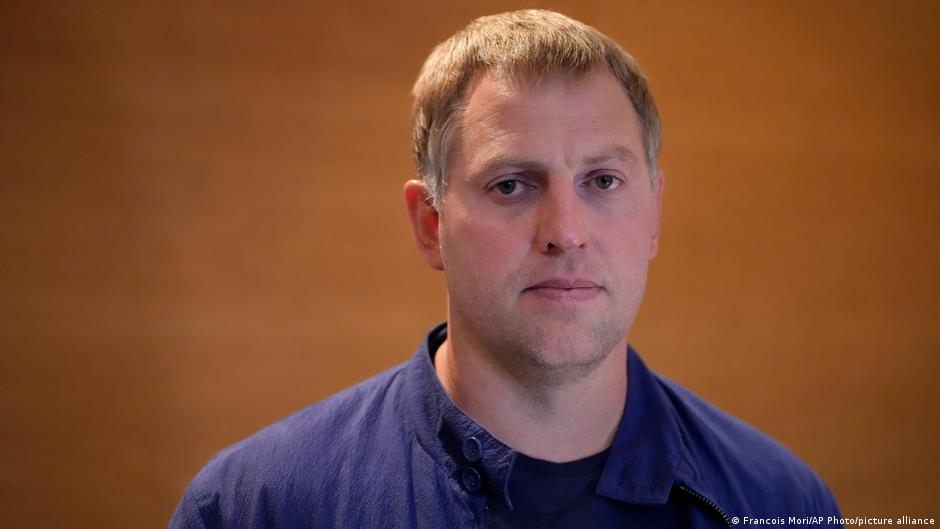
Vladimir Osechkin, founder of the human rights project Gulagu.net, announced the suspension of the initiative on July 20, revealing the complex challenges and risks that led to this decision. In an interview published by n-tv on August 2, Osechkin outlined the deteriorating global context for human rights activism and the personal dangers he faces.
Gulagu.net’s Role and the Crisis in Human Rights Advocacy
Gulagu.net was created to support prisoners in Russian colonies and prisons, focusing on exposing torture, abuse, and war crimes. Osechkin explained that the suspension is a response to what he describes as a "global crisis" impacting activists worldwide who oppose torture, violence, and war. "Many of my colleagues remain silent, and I am exhausted by this silence, which harms not only our mission but the world at large," the founder stated.
"International law is in crisis, human rights have taken a backseat, and daily deaths have become normalized," Osechkin said. "We have lost our footing in this reality."
Despite Gulagu.net’s critical documentation of abuses, the project has yet to receive any human rights awards. Osechkin criticized the international community’s preference for engaging with polished opposition figures, noting that some well-known activists were placed in better conditions before prisoner exchanges, while wartime detainees suffered torture.
Heightened Security Threats and Personal Risks
Osechkin shared that he was imprisoned from 2007 to 2010 and emerged severely harmed, reflecting on the ongoing threats to his safety even while living in exile in France since 2015. He revealed that, in October 2025, four Russian agents allegedly preparing to assassinate him were detained, with investigations led by the French antiterrorism prosecutor’s office. Another agent was arrested near his home in May 2026.
His family and team remain under police protection. Analysts reportedly consider him the primary target for Russian security services after Alexei Navalny, as Osechkin has documented military crimes and facilitated the relocation of key witnesses out of Russia’s Ministry of Defense and prison system.
Osechkin also warned of a likely renewed mobilization in Russia this autumn, highlighting new restrictive laws enabling the government to revoke passports, block driver’s licenses, and confiscate assets swiftly. He emphasized the tightening international environment, noting that the U.S. has closed its borders and Europe is erecting barriers, with visa issuance severely limited.
Legal Pursuits and Exile
Osechkin left Russia after refusing to hand over Gulagu.net’s data to the Federal Security Service (FSB). In 2020, a Moscow court issued an international arrest warrant accusing him of fraud. In 2025, a Russian court sentenced him in absentia to eight years in prison for allegedly spreading false information about the Russian Armed Forces. Several collaborators in Russia have received real prison sentences related to their cooperation with Gulagu.net.
In 2022, Osechkin survived an alleged assassination attempt in Biarritz, France, although French authorities found no conclusive evidence to confirm the attempt.
Amid these pressures, the suspension of Gulagu.net underscores the immense challenges faced by human rights defenders operating under repressive regimes and the evolving geopolitical barriers complicating their work and safety.