US Implements Permanent Visa Bond for Citizens of 50 Countries to Curb Overstays
Starting August 3, a visa bond of up to $20,000 will be required for business and tourist visas from 50 nations, excluding Russia.
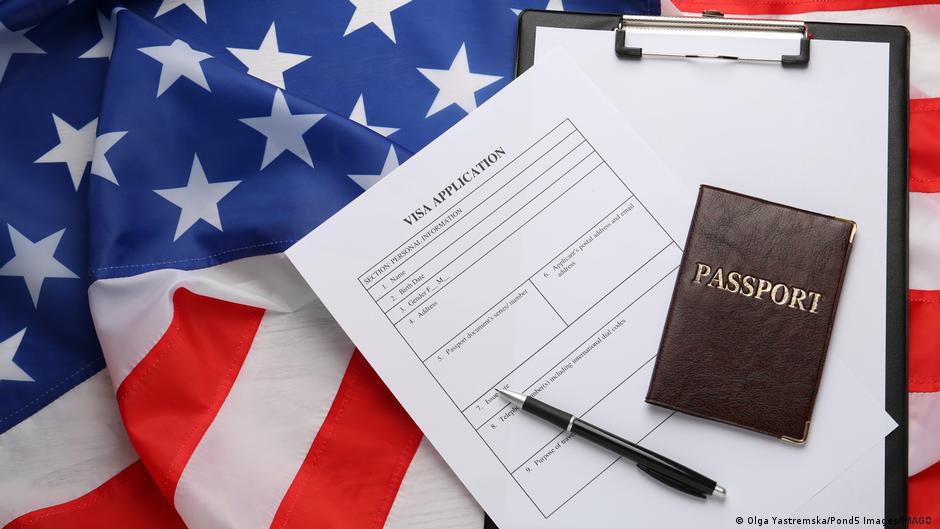
The U.S. Department of State announced that following a successful pilot program, it will introduce a permanent visa bond requirement for citizens of 50 countries. Effective August 3, applicants for business (B-1) and tourist (B-2) visas from these countries must post a bond of up to $20,000.
Citizens from countries including Georgia, Kyrgyzstan, Tajikistan, Turkmenistan, Algeria, Angola, Bangladesh, Cambodia, the Central African Republic, Mongolia, Nepal, Nicaragua, Tunisia, Uganda, Venezuela, Zimbabwe, and several others across Africa, Southeast Asia, and Latin America are affected. Notably, Russia is not included in this list.
Visa Bond Details and Impact on Travel
The exact bond amount will be determined on a case-by-case basis by consular officers. According to the State Department, the bond will be refunded if the visa holder leaves the U.S. within the authorized period, does not enter the U.S., or is denied entry. Conversely, the bond will be forfeited if the individual violates visa conditions or overstays their authorized period.
"The visa bond is a necessary measure to reduce visa misuse and prevent overstays," the Department stated, highlighting that individuals from the specified countries had higher incidences of visa violations during previous years.
Previously, the bond program was operated on a pilot basis, with bonds ranging from $5,000 to $15,000. The new permanent program raises the maximum bond to $20,000 and removes the prior minimum $5,000 threshold. The State Department reported the pilot phase as successful in its goals.
"The visa bond requirement aims to ensure compliance with U.S. visa policies and deter unauthorized extended stays," said the Department of State.
Data from the 2024 fiscal year shows that citizens from these 50 countries accounted for approximately 45,500 visa overstays. However, during the initial 10 months of the pilot program, recorded overstays dropped to fewer than 50 cases. Despite this improvement, the total number of visas issued to citizens of these countries fell by 83%, reflecting a significant decline in travel volume.
This move reflects ongoing efforts by U.S. authorities to tighten visa controls and manage immigration risks, particularly from countries with higher rates of visa misuse.