Ukraine Budget Bills Put Western Aid and Defense Funding in Market Focus
Zelensky says parliament will take up seven difficult bills tied to billions of dollars in partner financing for Ukraine.

Ukraine’s parliament is set to consider a package of seven bills this week that President Volodymyr Zelensky says are needed to unlock billions of dollars in financial support from Western partners, putting Kyiv’s fiscal position, defense funding needs and recovery capacity back at the center of market attention.
In a Telegram post on Tuesday evening, September 15, Zelensky said the Verkhovna Rada would review legislation required to help “close the hole in the state budget.” He described the bills as measures of national importance and said each of them was connected to money Ukraine expects from its partners.
Most of the initiatives are expected to be considered in a first reading, according to the post. Zelensky acknowledged that the measures may prove politically difficult, but argued that they are necessary to meet Ukraine’s defense requirements and preserve the country’s ability to rebuild.
“Some of these things may be difficult, unpleasant and unpopular,” Zelensky wrote, adding that without them Ukraine cannot meet defense needs or ensure its capacity for recovery.
For markets, the legislative push is a real-time signal on Ukraine’s external financing pipeline. Passage of the bills could open the way for Kyiv to receive several billion dollars in assistance, according to Zelensky’s message. That makes the votes relevant not only for Ukrainian public finances, but also for investors tracking sovereign risk, reconstruction expectations, European fiscal commitments and the broader economic effects of the war.
Financing Gap Drives Legislative Pressure
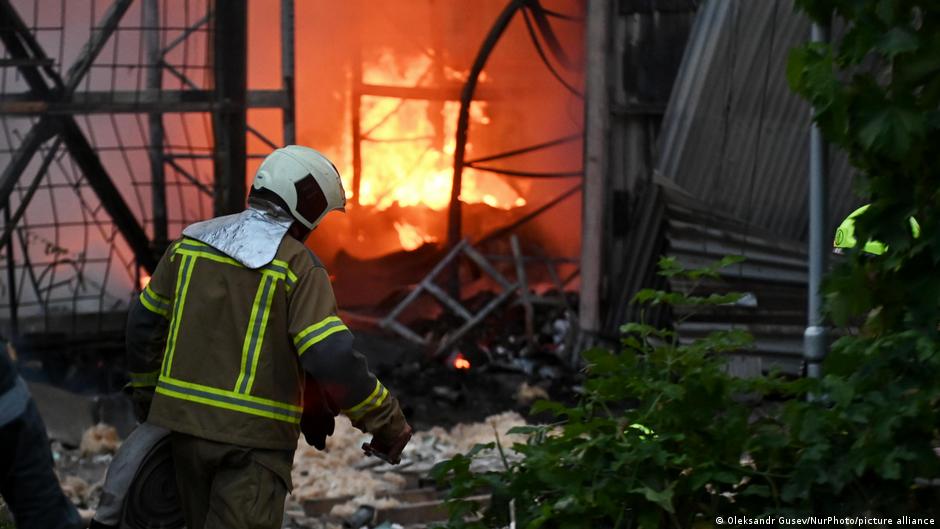
The immediate backdrop is a severe budget shortfall, driven largely by a defense-sector funding gap estimated at 23 billion euros. AFP has noted that Ukraine’s economic situation has been deteriorating as Russian attacks damage key sectors, especially metallurgy, while also contributing to a reduction in agricultural export volumes.
Those two areas matter for Ukraine’s hard-currency earnings and for market assessments of the country’s ability to sustain wartime spending. Metallurgy has long been a significant industrial sector, while agricultural exports remain a central component of Ukraine’s external trade profile. Any disruption to those flows affects revenue, logistics, current-account dynamics and the level of external support Kyiv needs to maintain basic state functions.
The country remains heavily dependent on financial backing from Western partners as it continues to resist Russia’s invasion. That dependency has become a core market variable: each financing announcement, delay or legislative condition can affect expectations around budget stability, debt sustainability and future reconstruction demand.
Zelensky’s framing of the bills as unpleasant but unavoidable suggests that the proposed measures could carry domestic political costs. The source article does not specify the content of the seven bills, but the president’s message indicates that their adoption is linked directly to partner funding and to Ukraine’s ability to cover defense and recovery needs.
EU Loan Package Remains Central
The current parliamentary agenda follows Zelensky’s comments in late August, when leaders from Denmark, Latvia, Lithuania, Norway, Finland and Estonia visited Kyiv. At that time, he said Ukraine expected 30 billion euros from the European Union as part of a two-year loan facility totaling 90 billion euros.
Zelensky said then that the disbursement of the funds was tied to the adoption of relevant legislation. He stressed that the entire parliament, including the opposition, needed to work on the matter because the money was required for the defense of the whole country.
He also estimated Ukraine’s Defense Ministry budget deficit at 27 billion dollars, or more than 23.1 billion euros, saying it had emerged in part because of overspending in the first half of the year. According to Zelensky, Ukraine needs 8 billion to 10 billion dollars to prepare the army for January 2027, and almost 20 billion dollars for needs including military salaries and payments to the families of fallen soldiers.
The size and timing of those requirements create a clear fiscal calendar for traders and analysts following Ukraine-linked risk. A successful legislative process could strengthen expectations that Western financing will continue to flow, while delays could sharpen concerns over budget execution, defense procurement and social obligations tied to the war effort.
Although Ukraine is not a conventional market story in wartime conditions, its financing needs feed into several asset-class narratives. European defense spending, reconstruction planning, export logistics, sovereign credit risk and commodity flows are all influenced by Kyiv’s capacity to fund its military and maintain economic activity under attack.
The parliamentary votes therefore function as more than a domestic political event. They are a market-relevant checkpoint in the chain connecting Ukrainian legislation, Western aid disbursement, defense-sector liquidity and broader confidence in the country’s financial resilience.
Zelensky’s statement makes clear that Kyiv views the measures as essential despite their likely unpopularity. For investors and policy watchers, the focus now shifts to whether the Verkhovna Rada can advance the package quickly enough to support the next stage of external financing.