House Advances Graham Sanctions Bill With Potential Energy Tariff Shock
The House vote clears the way for debate on a bill that could authorize 100% tariffs on major buyers of Russian oil and gas.
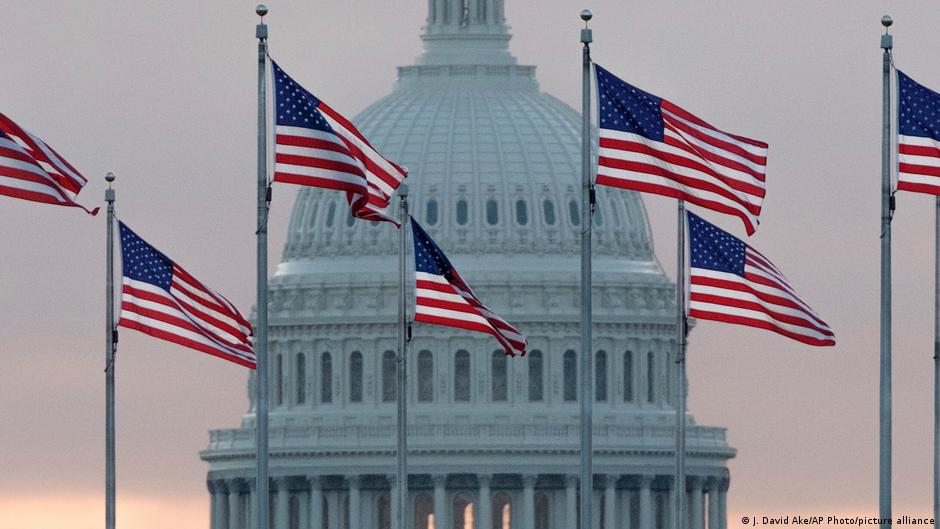
The U.S. House of Representatives voted on Tuesday, September 15, to open consideration of a bill associated with the late Senator Lindsey Graham that would allow President Donald Trump to impose tariffs on countries purchasing Russian energy resources, while also extending existing U.S. sanctions against Iran.
The procedural vote was narrow, with 214 lawmakers supporting the resolution and 211 voting against it, according to The Hill. The measure advanced after two Democrats broke with their party’s position and backed the rule prepared by the relevant House committee. The vote does not enact the bill itself, but it clears the way for the House to begin debating the legislation on its merits.
For markets, the bill is significant because it targets the global energy trade at a time when oil, gas and shipping flows remain sensitive to sanctions risk, tariff threats and geopolitical positioning. The measure would give the U.S. president authority to impose 100% tariffs on the five largest buyers of Russian oil and gas, as well as on five countries deemed to be helping Russia circumvent energy sanctions.
The proposal, described by media outlets as the “Graham bill,” was developed and actively promoted by Lindsey Graham. It has also been referred to as a package of “hellish” sanctions against Russia, a framing that underlines the potential severity of the measure for countries and companies exposed to Russian energy flows.
Energy, Tariffs and Geopolitical Risk
The immediate market relevance lies in the bill’s potential to widen the scope of U.S. tariff policy beyond traditional trade disputes and deeper into energy-linked sanctions enforcement. If enacted, the measure could affect the pricing of crude oil, natural gas, refined products, shipping, insurance and broader emerging-market assets tied to Russian energy purchases.
The bill would not automatically impose tariffs on Russia directly. Instead, it would empower Trump to apply 100% tariffs against countries buying Russian energy resources and against countries helping Moscow bypass energy sanctions. That structure makes the legislation important for investors tracking secondary sanctions risk, global crude flows and the behavior of major importers.
Republican Representative Michael McCaul of Texas, speaking on September 14 during hearings in the House Rules Committee, called the scheduled vote “exceptionally important” as a message to Russian President Vladimir Putin about U.S. support for Ukraine and as a warning to Chinese President Xi Jinping against attempting aggression toward Taiwan.
McCaul framed the vote as a signal to Moscow over Ukraine and to Beijing over Taiwan, linking the sanctions debate directly to wider geopolitical deterrence.
That linkage is likely to keep attention on defense, energy and China-sensitive sectors as the bill moves through Congress. Any credible path toward 100% tariffs on major Russian energy buyers could raise questions for refiners, commodity traders, tanker operators and multinationals with exposure to jurisdictions still connected to Russian oil and gas.
Democratic Critics Warn of Price Pressure
Critics of the legislation from the Democratic camp argue that the bill would sharply expand Trump’s authority over customs tariffs without requiring mandatory sanctions against Russia. Representatives Don Beyer, Gregory Meeks and Richard Neal warned that the measure would raise prices for Americans and, over the longer term, undermine support for Ukraine.
Their objection is central to the market debate around the bill. A tariff mechanism of this scale could be interpreted by investors as inflationary if it disrupts energy supply chains or raises the cost of imported goods from targeted countries. It could also complicate expectations around monetary policy if traders begin pricing renewed tariff-driven price pressure into inflation-sensitive assets.
At the same time, supporters of the bill are positioning it as a tool of strategic pressure: a way to penalize countries that continue buying Russian energy or help Russia work around existing restrictions. That makes the bill both a sanctions instrument and a trade-policy instrument, a combination that tends to increase uncertainty for companies operating across multiple jurisdictions.
The House vote also comes with timing risk. A vote by the full House of Representatives is expected before the end of the current week. If the “hellish” sanctions receive support in that vote as well, the bill will be sent to Trump for signature. Trump has previously stated his support for the initiative.
For traders, the next catalyst is therefore procedural but potentially price-sensitive: whether the full House passes the bill and whether investors begin treating the tariff authority as a realistic policy tool rather than a negotiating threat. Energy benchmarks, tanker equities, major integrated oil companies, refiners and emerging-market currencies tied to Russian energy trade may all face headline risk as the vote approaches.
The procedural win does not yet create new tariffs, nor does it specify immediate enforcement against named countries. But it moves the legislation closer to becoming law and gives markets a clearer timeline to monitor. With the House debate now open, the bill’s progress will be watched less as a symbolic sanctions gesture and more as a possible trigger for shifts in energy trade, risk premiums and cross-border tariff exposure.