US Plans New Negotiation Phase with Iran Amid Military Standoff and Diplomatic Efforts
President Trump announces resumption of talks with Iran on August 3, postponing further strikes to pursue diplomatic resolution.
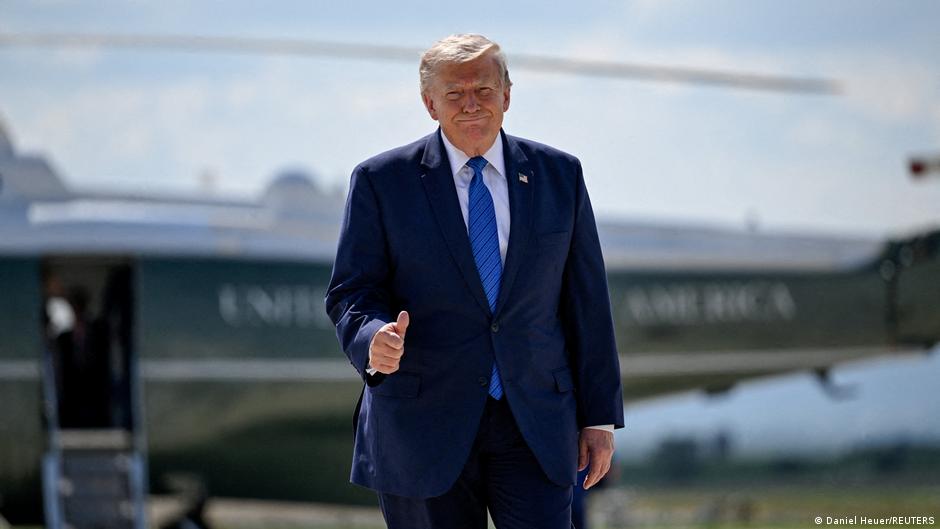
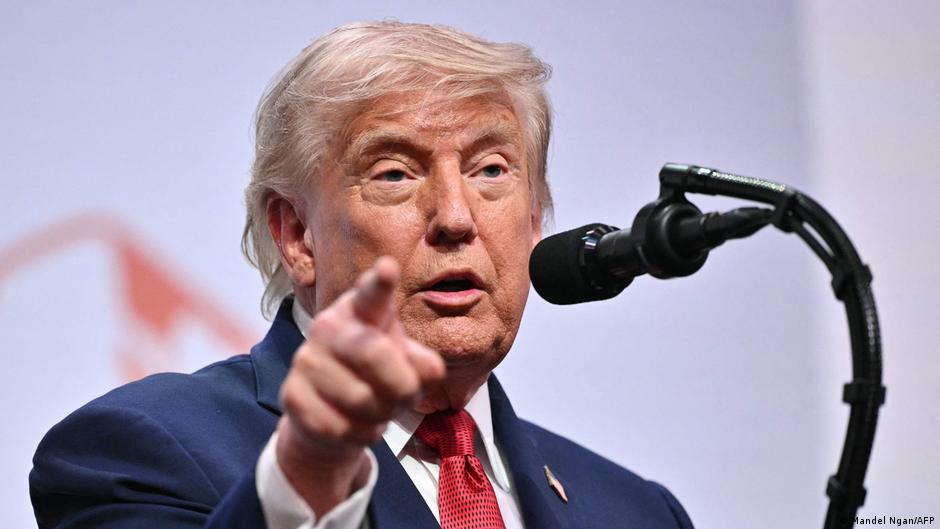
President Donald Trump has announced that a new phase of negotiations between the United States and Iran will commence on Monday, August 3. This development follows a series of military actions and diplomatic maneuvers that have heightened tensions in the Middle East.
Speaking to reporters aboard Air Force One, Trump emphasized that the White House has chosen to delay further military strikes on Iran to allow for diplomatic efforts to unfold. "This will save many lives," he stated, underscoring the administration's preference for a negotiated settlement over continued conflict.
Diplomatic Push Amid Threats of Military Action
Trump also indicated that the upcoming deal discussions will likely address critical issues including the security of the Strait of Hormuz and Iran's nuclear program. "I would prefer to make a deal. I do not like killing people," he remarked, acknowledging the human cost of military confrontations.
"We have prepared to confront Tehran with military intimidation and power on a scale unseen since World War II, but are now pursuing peace for the greater good of the world." — President Donald Trump
Despite the diplomatic overture, Trump warned that the U.S. retains the option to launch military strikes if deemed necessary, reflecting the administration's position of readiness to escalate if negotiations falter.
Recent history confirms the volatility of this approach. Just a day prior, Trump revealed that the U.S. and Israel had postponed an attack on Iran following direct requests from Iran and other Middle Eastern nations. This postponement aligns with a broader strategy to explore peaceful resolutions while maintaining military pressure.
In June 2026, Washington and Tehran signed a "memorandum of understanding" that established a 60-day ceasefire and initiated peace talks. However, the ceasefire was short-lived, as the U.S. resumed attacks accusing Iran of breaching the agreement.
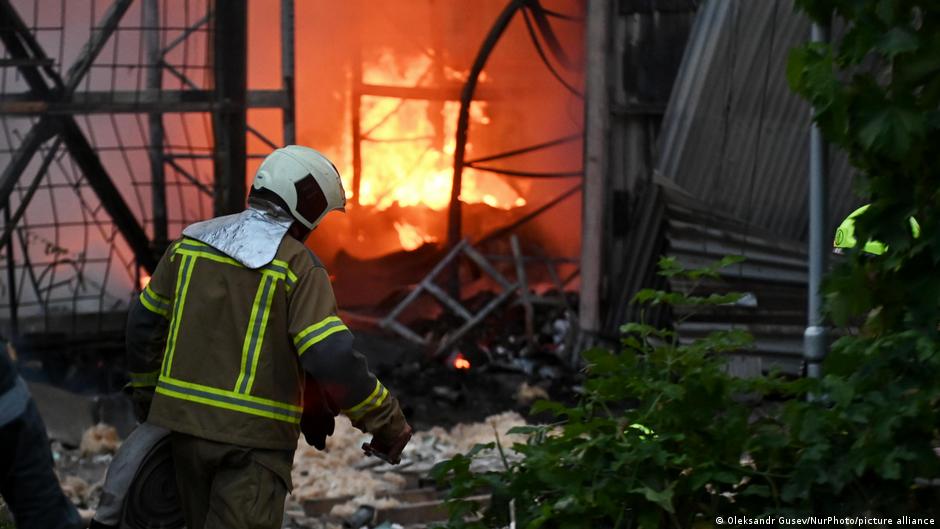
On July 30, U.S. forces conducted strikes against "dozens of targets" belonging to Iran's Islamic Revolutionary Guard Corps (IRGC), including command centers and missile and drone launch facilities. Iranian state media reported that a residential area on Qeshm Island was hit during these attacks, resulting in the deaths of three civilians.
The unfolding scenario reflects a delicate balance between military action and diplomatic negotiations, with global markets likely to watch closely for developments given the strategic importance of the region and its impact on oil supply routes.