Belgorod Reservoir Dries Up Following Ukrainian Strikes and Water Release
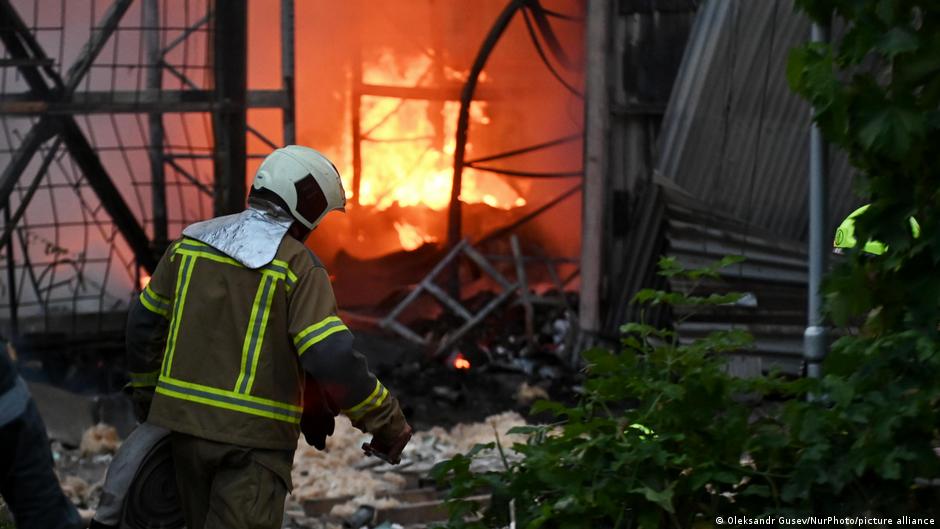
After multiple attacks on the dam, uncontrolled water discharge has reduced the Belgorod Reservoir to shallow depths of 10 to 40 centimeters.
Impact of Ukrainian Military Actions on Belgorod Reservoir
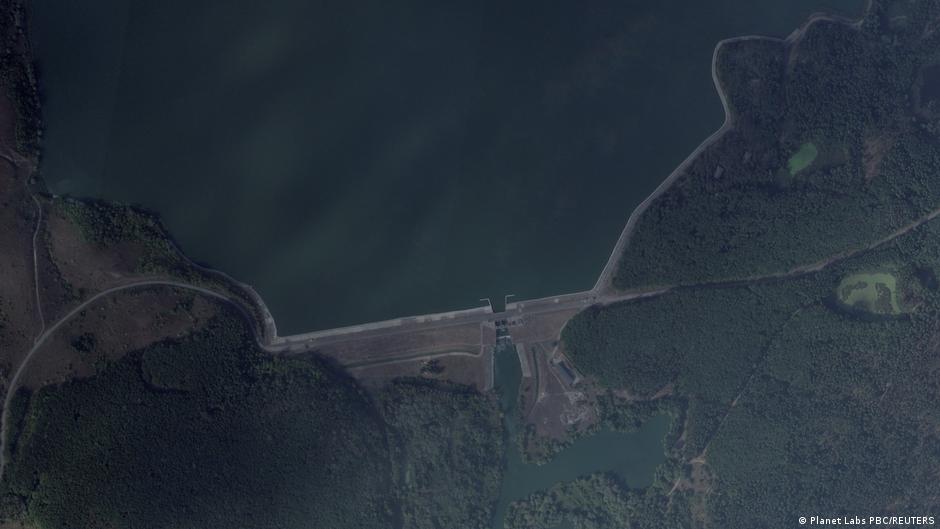
Following a series of Ukrainian strikes on the dam in July 2026, the Belgorod Reservoir has significantly dried up due to an uncontrolled discharge of water. Eyewitness accounts report water depths now ranging between 10 and 40 centimeters.
Local sources on Sunday, August 2, highlighted that the reservoir’s water levels have dropped dramatically after the water release triggered by the Ukrainian attacks. Telegram channels monitoring the situation confirmed the incident and provided further details on the reservoir’s condition.
"The uncontrolled water discharge after the strikes reduced the reservoir to the historic riverbed of the Seversky Donets," explained urbanist Vladimir Titov, referencing the current water depths.
According to reports from the Telegram channel "Pepel Belgorod," the authorities in Belgorod Oblast have now managed to halt the uncontrolled water discharge at the dam. Prior to containment, the reservoir’s water receded to levels not seen since it followed the natural riverbed of the Seversky Donets River.
Visual evidence including photos and videos shared by Telegram channels "Fonar" and "Belgorod #1" confirms the significant reduction in water volume, underscoring the operational impact of the strikes on local infrastructure.
Background of the Attacks and Infrastructure Damage
In July 2026, Ukraine conducted two separate strikes targeting the dam at the Belgorod Reservoir in the Bezlyudovka and Grafovka villages within the Shebekinsky district. These attacks triggered an intense and uncontrolled water release, which directly impacted the reservoir’s capacity and surrounding areas.
This is not the first time the reservoir has been targeted. Ukrainian missiles and drones previously struck the reservoir multiple times, including in October 2025, when attacks caused damage to hydraulic structures, leading to water discharge.
The ongoing military activities and infrastructure damage introduce significant risks to the region’s water management, local agriculture, and ecological balance. Market observers and analysts are monitoring the evolving situation closely for potential implications on regional supply chains and commodity flows, particularly in water-reliant sectors.
The rapid decline in reservoir levels may also influence sector rotation in regional markets, as industries dependent on water resources reassess operational risks and investment outlooks.