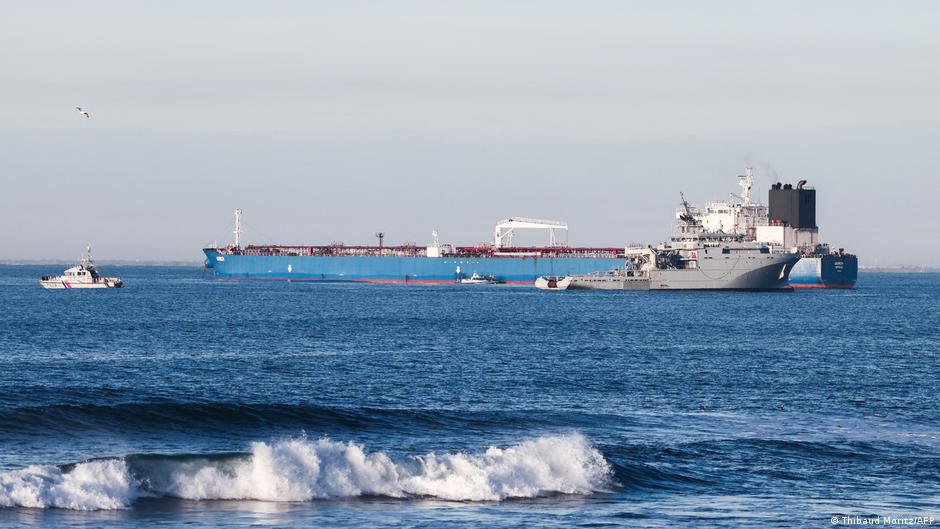
US Military Strikes Vessel Heading to Iran in Strategic Strait of Hormuz
US forces disable Gambian-flagged ship in Gulf of Oman amid enforcement of Strait of Hormuz blockade.
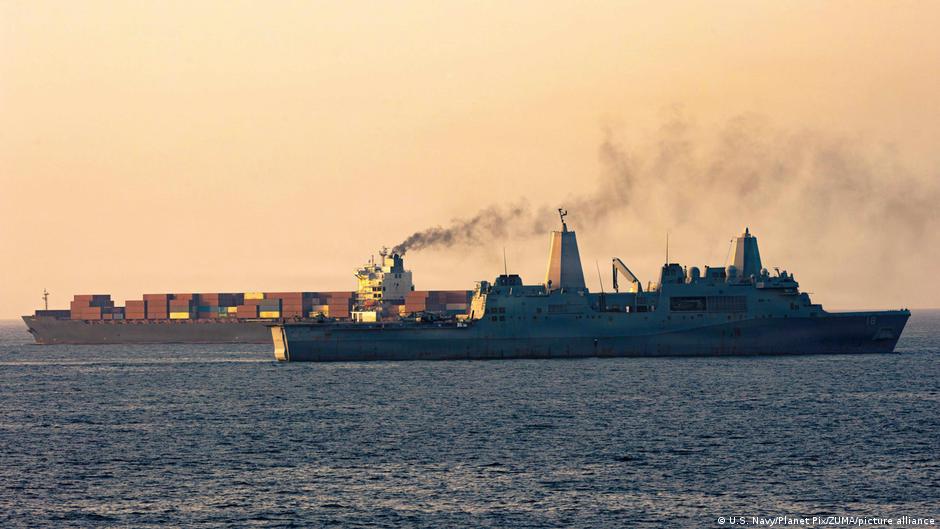
The United States military has targeted a Gambian-flagged commercial vessel en route to an Iranian port in the Gulf of Oman, underscoring ongoing tensions and enforcement actions in one of the world's most critical maritime chokepoints.
US Strike on Vessel Amid Strait of Hormuz Blockade
According to the US Central Command (CENTCOM), the ship, named Lian Star, was navigating international waters toward Iran despite receiving more than 20 warnings regarding the violation of an American blockade imposed around the Strait of Hormuz. The US military responded by deploying a Hellfire missile to disable the vessel's engine compartment after the crew failed to comply with directives, effectively preventing the Lian Star from continuing to its Iranian destination.
"The American aircraft disabled the vessel after repeated warnings, ensuring it no longer headed toward Iran," stated CENTCOM in their official release.
This action is part of a broader US campaign initiated in April aimed at enforcing a blockade on vessels affiliated with Iran following a temporary ceasefire between Washington and Tehran. Since then, five commercial ships have been disabled and over 116 redirected under this maritime enforcement effort. In response, Iranian authorities have reportedly imposed restrictions on vessels linked to the United States traversing the Strait of Hormuz, heightening regional maritime tensions.
Regional Security Developments and Market Implications
The US strike comes shortly after an Iranian missile attack targeting the US Ali Al Salem Air Base in Kuwait resulted in minor injuries to five personnel and the destruction or damage of two MQ-9 Reaper drones, each valued at approximately $30 million. These escalating incidents contribute to volatility in regional security, affecting global energy shipping routes and international market confidence.
Additionally, recent reports indicate tentative progress in US-Iran negotiations toward a framework agreement aimed at de-escalating hostilities. However, US President Donald Trump has withheld consent for any deal that does not fully meet stringent US conditions, including Iran's renunciation of nuclear weapons development. Iranian officials have confirmed that no final agreement has yet been concluded.
Market participants should monitor these developments closely, as disruptions in the Strait of Hormuz — a conduit for roughly 20% of the world's petroleum — can swiftly impact global oil prices, trading volumes, and sector rotations within energy markets.