US Cancels Iran Strikes Amid Progress in Multinational Negotiations, Market Responds
President Trump halts planned June 11 airstrikes on Iran following diplomatic advances, impacting energy and defense sectors.
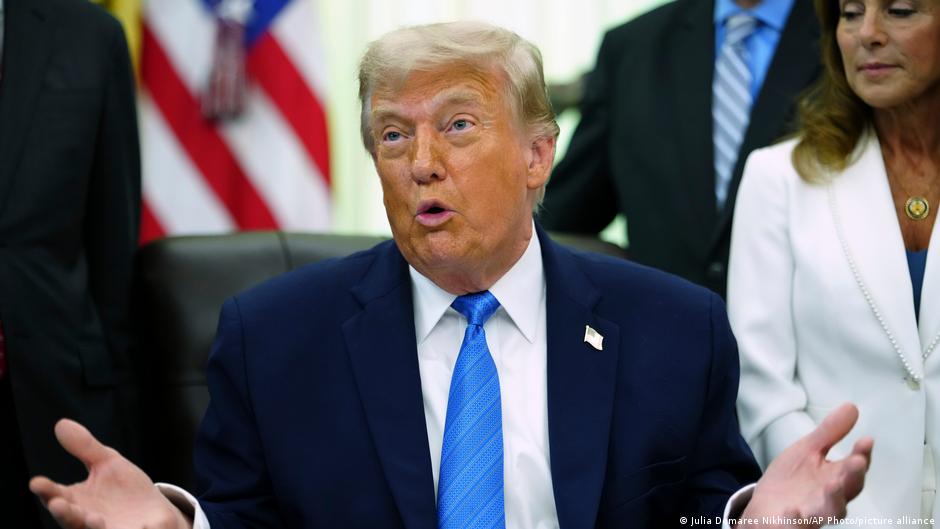
On June 11, President Donald Trump announced the cancellation of planned U.S. airstrikes against Iran, citing significant progress in high-level negotiations with Tehran. The decision marks a pivotal moment in easing tensions in the Middle East, with broad implications for global markets, particularly in energy and defense sectors.
Diplomatic Developments and Market Implications
"Given that discussions with the Islamic Republic of Iran have reached the highest levels of Iranian leadership and are approved," Trump wrote on his social media platform Truth Social, "I have cancelled the planned strikes scheduled for this evening." This diplomatic breakthrough includes agreement in principle among key regional players such as Israel, Saudi Arabia, the United Arab Emirates, Qatar, Turkey, Pakistan, Bahrain, Kuwait, Jordan, and Egypt.
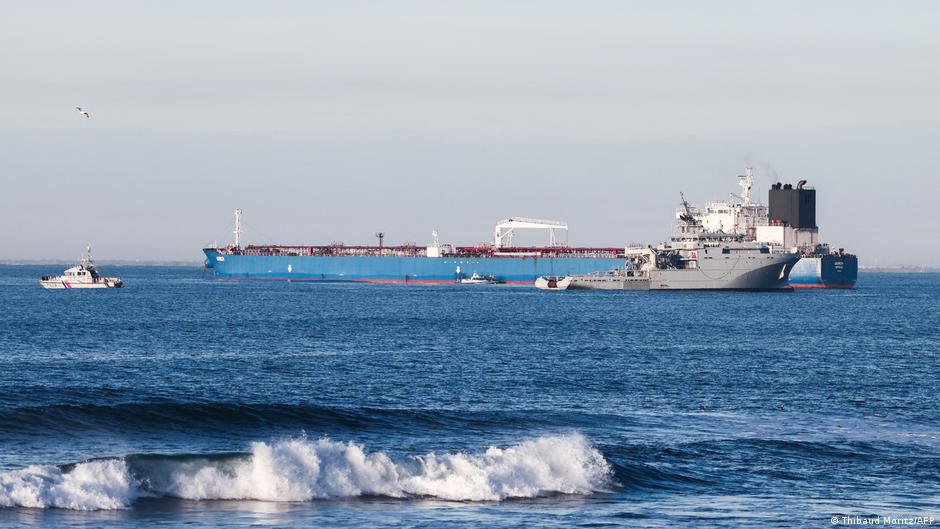
The administration confirmed that a maritime blockade remains in effect until the finalization of the deal. Details regarding the timing and location of the signing will be announced shortly. Trump indicated the agreement could be signed as early as this weekend, likely in Europe, though he will not attend due to his 80th birthday. Vice President JD Vance is expected to represent the United States at the signing.
"The agreement will ensure Iran never obtains nuclear weapons, and the Strait of Hormuz will be reopened," Trump stated, underscoring the potential for regional stability and normalization of energy flows.
Earlier on June 11, Trump had publicly expressed intentions to seize Iran’s critical oil hub, Khark Island, and threatened "larger, more powerful strikes" while expressing reluctance to target infrastructure such as bridges and power plants. These statements initially fueled market volatility, particularly in oil prices and defense equities.
Iran’s government has not yet confirmed final acceptance of the deal, with Foreign Ministry spokesperson Esmail Baghaei stating, "At this time, Iran has not reached a final decision regarding the agreement." Parliamentary speaker and negotiator Mohammad Bagher Ghalibaf warned against hasty U.S. actions, cautioning that impulsive moves could lead to a prolonged conflict.
US Central Command (CENTCOM) had resumed attacks on Iranian targets on June 10 in response to ongoing Iranian aggression, escalating regional military tensions. In retaliation, Iran reportedly launched missile strikes on U.S. bases in the Persian Gulf and Jordan, and closed the Strait of Hormuz, threatening to attack any vessel attempting passage.
Market Reaction and Sector Rotation
Following the announcement, oil futures experienced a notable retreat from recent highs amid optimism over reduced risk of escalation and a potential reopening of the Strait of Hormuz, a crucial chokepoint for global oil shipments. Energy sector stocks showed mixed responses, with pipeline and transport firms benefiting from expectations of increased throughput once the blockade lifts.
Defense stocks, which had rallied on fears of widening conflict, retraced some gains as hopes for a diplomatic resolution grew. However, market participants remain cautious given Iran’s ambiguous stance and the history of volatility in the region.
Traders are also monitoring currency markets and geopolitical risk premiums closely. The broad commodity complex is expected to respond dynamically as more details of the agreement emerge and formal signing occurs.
Investors should watch for potential shifts in sector rotation, with a possible move from defensive stocks back into cyclical and energy-related names if the peace deal materializes. Conversely, any breakdown in talks or renewed hostilities would likely trigger a flight to safety and elevated oil prices.