German Transport Minister Patrick Schnieder Resigns Amid Cabinet Reshuffle
Chancellor Friedrich Merz to nominate Steffen Bilger as new Transport Minister following Schnieder's resignation.
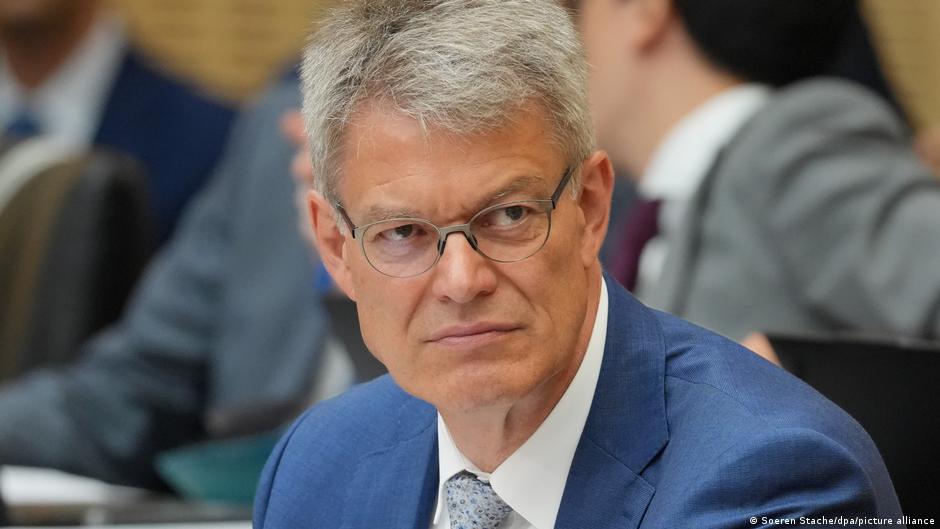
German Transport Minister Patrick Schnieder announced his intention to resign, citing recent developments and an untenable working environment within the ministry. Schnieder informed the Chancellor that he would request to be relieved from his duties, aiming to end a situation he described as "undignified" and obstructive to necessary governmental operations.
Chancellor Friedrich Merz plans to nominate Steffen Bilger, Secretary of the CDU/CSU parliamentary group, as Schnieder's successor. This move follows internal party tensions and apparent dissatisfaction with Merz’s handling of Schnieder, as reported by German governmental sources.
Political Developments and Market Implications
In remarks to the press on July 26, Schnieder emphasized the critical decisions awaiting the Transport Ministry, particularly concerning the state railway company Deutsche Bahn. He stressed the urgency for a swift and clear resolution regarding his replacement to ensure continuity in governance.
"The Transport Ministry faces important and far-reaching decisions that cannot be postponed," Schnieder stated. "In the interest of the country, the question of my successor must be resolved quickly and clearly."
The resignation follows an announcement by Schnieder on July 24 to Bundestag deputies that Chancellor Merz intended to dismiss him, without elaborating on the reasons. Subsequently, Fritz Güntzler, the initially preferred candidate for the role, unexpectedly declined the appointment.
Reports indicate ongoing confusion within the Christian Democratic Union (CDU) about Merz’s abrupt treatment of Schnieder. Analysts connect this resignation to a broader government reshuffle triggered earlier by the departure of CDU leader Jens Spahn.
Market watchers will be closely monitoring the transition within Germany’s Transport Ministry, given its significant role in infrastructure policy and economic logistics. The Deutsche Bahn, a key state-owned enterprise, is central to Germany’s transport sector and broader European trade routes. Any policy shifts or delays in decision-making could impact related stocks and sector performance.
As political uncertainties unfold, investors should be aware of potential ripple effects in transport, infrastructure, and industrial sectors tied to government policy stability in Europe’s largest economy.