Ukraine Says Starshield Speed Limits Persist Despite Trump’s Assurance
Kyiv reports continued satellite-service restrictions and delayed interceptor deliveries, highlighting operational risks for Ukraine’s defense.
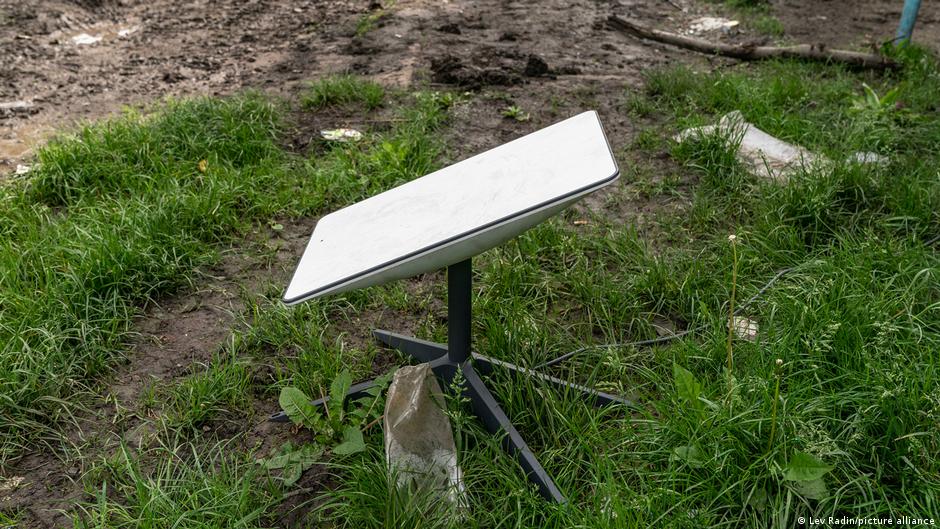
Ukraine said speed restrictions remain in place on Starshield, the military package of SpaceX’s Starlink satellite communications service used by the country, contradicting US President Donald Trump’s statement that full service had been restored.
Ukrainian President Volodymyr Zelensky said Friday, October 23, that connection speeds had not returned to their previous level. He made the statement by video link during an appearance at the Hudson Institute, a conservative US think tank.
“The speed has not been restored,” Zelensky said.
The conflicting accounts create fresh uncertainty around a satellite communications system that plays a significant role in Ukrainian military operations. While the development has no directly reported market-price or trading-volume impact, it is a potentially important event for investors monitoring the defense, aerospace and satellite communications sectors. The episode also raises questions about the reliability and control of privately operated infrastructure used in wartime.
SpaceX Restrictions Remain in Dispute
Zelensky’s adviser, Serhiy Beskrestnov, said connection speeds may in some cases slightly exceed the imposed limit. He cautioned, however, that such instances could result from SpaceX algorithms or particular operating conditions rather than the removal of the restriction.
Trump said a day earlier that SpaceX had restored Ukraine’s full access to Starlink. He did not answer a question about who had ordered the removal of restrictions observed in Ukraine since October 14.
Both Trump and SpaceX founder Elon Musk had previously denied that either of them instructed the company to slow Starlink service. The latest comments leave the status of the restrictions unresolved, with Kyiv maintaining that the limits remain active despite the US president’s assurance.
For market participants, the dispute is relevant to assessments of operational and political risk surrounding commercial satellite networks. SpaceX is privately held, so there is no publicly traded share price reacting directly to the report. However, the situation may inform sentiment toward listed companies across satellite communications, defense technology, drone systems and military logistics, particularly where government contracts depend on privately controlled networks.
Military Operations Face Connectivity Constraints
The Ukrainian military uses Starshield, including to guide unmanned aerial vehicles during attacks on targets in territories occupied by Russia during its war against Ukraine. Zelensky previously said disruptions to Starlink slow frontline logistics and restrict the use of drones.
That operational role makes the reported speed limits more than a routine service issue. Satellite connectivity can affect the pace of logistics and the use of unmanned systems, meaning any sustained restriction may influence Ukraine’s battlefield capabilities. The report also underscores the strategic importance of communications infrastructure at a time when investors are closely tracking procurement, supply chains and technology demand across the defense sector.
No trading data, contract value or revenue exposure was disclosed in connection with the restrictions. There was also no indication in the source report of a formal change to SpaceX’s service terms or of a timetable for fully restoring speeds. The absence of those details leaves markets without a clear measure of the duration or commercial significance of the disruption.
Interceptor Deliveries Also Delayed
During his Hudson Institute appearance, Zelensky also said deliveries of interceptor missiles intended to protect Ukrainian territory from Russian ballistic missiles were delayed. He said Ukraine was still waiting for interceptors that had already been agreed upon.
“We are waiting for interceptors that were already agreed upon. But they still have not arrived. This is a real problem because the Russians attack us almost every day,” Zelensky said.
The delayed deliveries add a separate supply-side concern for the defense industry and governments supporting Ukraine. The report did not identify the interceptor model, supplier, number of missiles involved or the value of the agreed deliveries. It also did not provide a revised delivery schedule.
Ukraine’s military continues to hold its defensive positions despite the communications restrictions and delayed interceptor shipments, Zelensky said. “I am proud of how strong our people are,” he added.
The immediate market relevance lies in the convergence of two constraints: limited satellite communications performance and delayed air-defense supplies. Together, they highlight execution risks within the broader defense-support chain, including the availability of critical equipment, the dependability of commercial infrastructure and the timing of previously agreed military deliveries. Investors will be watching for clarification from SpaceX or US officials on Starshield speeds, as well as any update on when the interceptors will reach Ukraine.