Drone Attacks Impact Russian Border Regions Amid Intensified Ukraine Conflict
Recent drone strikes by Ukrainian forces cause casualties and infrastructure damage in Belgorod and Rostov regions as Russia continues retaliatory attacks.
Drone Strikes Hit Russian Border Areas Causing Civilian Casualties and Damage
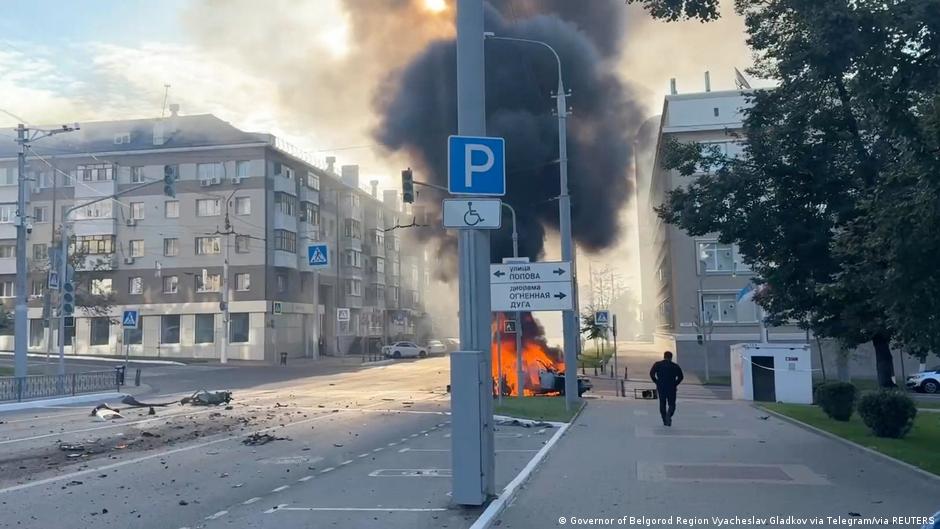
In the latest escalation along the Russia-Ukraine frontier, Ukrainian drone attacks have resulted in civilian casualties and property damage in Russia's Belgorod and Rostov regions. According to regional authorities, these strikes have caused multiple injuries and fatalities, along with disruptions to essential services.
Belgorod region authorities reported that a series of drone attacks inflicted harm on 12 civilians, including two children. The strikes caused fires in several apartments and vehicles, leading to temporary utility shutdowns in two multi-story residential buildings. Local officials have evacuated residents to temporary accommodations due to unsafe living conditions.
"The return to some apartments is currently impossible, and residents are being relocated to temporary shelters," confirmed Valentin Demidov, the mayor of Belgorod.
Similarly, the Rostov region experienced a deadly attack on the night of July 27. The regional governor, Yuri Slyusar, announced on social media that a married couple was killed and five others injured in the southern city of Rostov-on-Don.
In response to these Ukrainian drone operations targeting Russian territory, the Russian military launched a comprehensive counteroffensive involving drones and missile strikes against Ukrainian regions. Ukrainian Air Force reports indicate that strikes have affected multiple oblasts including Dnipropetrovsk, Sumy, Chernihiv, Zaporizhzhia, Kharkiv, and Kherson.
This ongoing exchange highlights the intensification of cross-border hostilities where drone warfare and missile strikes are causing both civilian harm and infrastructure disruptions on both sides.
Market and Security Implications Amid Escalating Cross-Border Conflict
These developments could have ramifications beyond the immediate humanitarian impact. Heightened military activity near critical industrial hubs and transport corridors in these regions contributes to market volatility, especially in commodity and energy sectors sensitive to geopolitical risks.
Traders and analysts closely monitoring trading volumes and sector rotation should factor in the potential for supply chain disruptions and investor risk aversion due to escalating hostilities. The use of drones represents a tactical evolution impacting both military strategy and regional stability, with potential implications for regional markets.