US Military Death Toll in Conflict with Iran Rises to 17 Amid Escalating Tensions
A US soldier died during a controlled explosion of Iranian ordnance in northern Iraq, marking the 17th American fatality in the ongoing conflict with Iran.
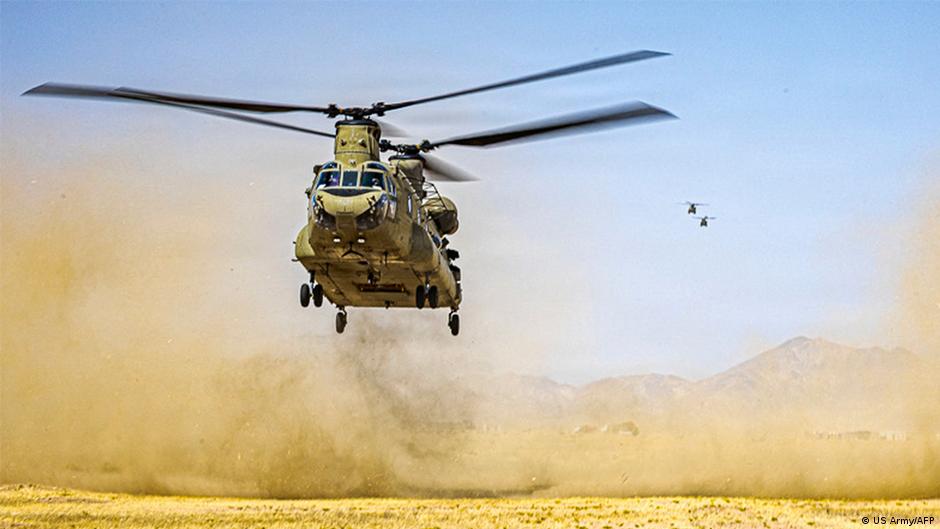
The United States Central Command (CENTCOM) confirmed the death of a 17th American service member in the ongoing conflict with Iran. The soldier was killed on July 18 while conducting a controlled detonation of unexploded Iranian munitions in northern Iraq, according to an official statement released on July 19.
Alongside the fatality, another service member sustained minor injuries and is currently receiving medical treatment. This latest casualty adds to the mounting losses as tensions between the US and Iran continue to escalate across multiple fronts.
Recent Military Engagements and Casualties
Earlier reports from CENTCOM detailed the deaths of two US soldiers following an Iranian attack on a Jordanian airbase on July 17. Additionally, one American was reported missing in the immediate aftermath. Subsequent recovery efforts have located unidentified remains at the incident site, which US media outlets suggest likely belong to the missing servicemember.
In response to these attacks, US forces launched strikes against Iranian Revolutionary Guard Corps (IRGC) targets, citing the dual objectives of punishing Iran for the attacks and diminishing Tehran's capacity to threaten commercial navigation in the strategically vital Strait of Hormuz.
"We remain committed to ensuring Iran never obtains nuclear weapons," President Donald Trump stated during a July 18 interview, emphasizing the US’s unwavering objectives despite recent losses.
In retaliation, Iran launched attacks on two US military bases in Kuwait, further intensifying the conflict dynamics in the region.
Military Buildup Amid Heightened Conflict
Amid these developments, US forces are reinforcing their presence in the Middle East. According to reports from The Wall Street Journal and The New York Times citing informed sources, the US is deploying additional combat aircraft to the region. These deployments include F-16 fighter jets transferred from the Spangdahlem Air Base in Germany and F-35 stealth fighters from RAF Lakenheath in the United Kingdom, alongside tanker aircraft to support extended operations.
This bolstered military posture reflects Washington’s strategic intent to deter further Iranian aggression and maintain operational superiority in a region critical to global energy supplies and geopolitical stability.
Market participants are closely monitoring these developments, given their potential impact on oil prices, regional security, and global trade routes. The risk of further escalation poses continued volatility for commodities and defense sector equities.