Strait of Hormuz to Reopen Immediately Following US-Iran Peace Memorandum Signing
Pakistan's Prime Minister announces immediate reopening of Hormuz Strait as US lifts blockade on Iranian ports after peace memorandum.
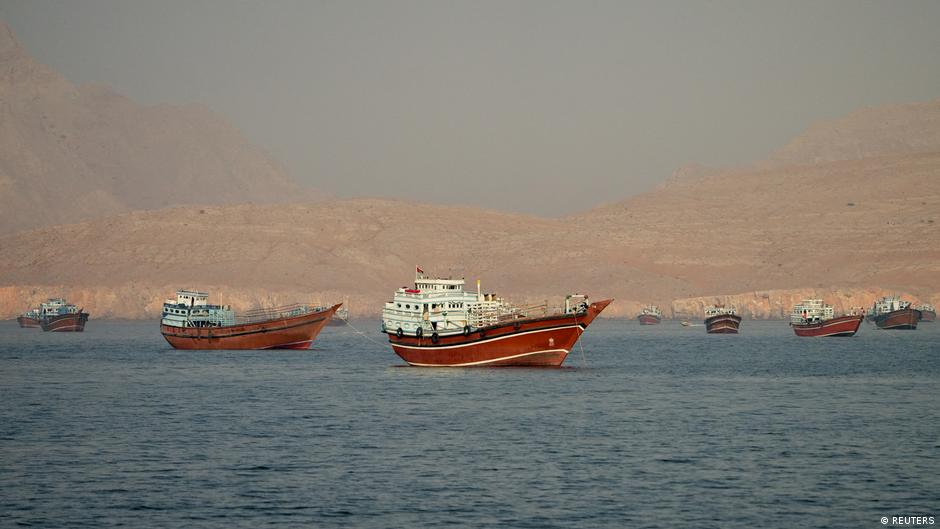
The Strait of Hormuz, a critical maritime chokepoint for global oil shipments, will be reopened immediately following the signing of a peace memorandum between the United States and Iran, according to Pakistan's Prime Minister Shahbaz Sharif. Concurrently, the US is expected to lift its blockade on Iranian ports, a move likely to influence global trading volumes and energy market dynamics.
Immediate Market Implications of the Peace Deal
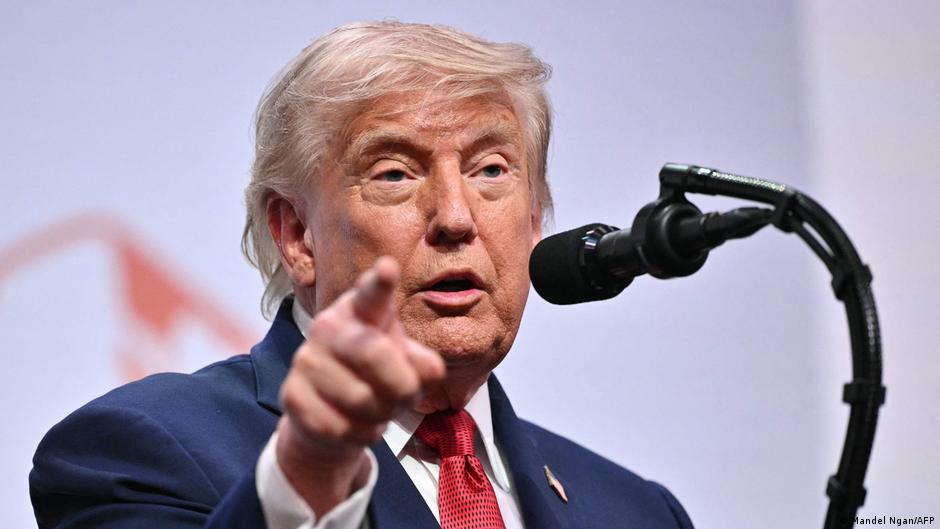
On June 17, the presidents of the US and Iran, Donald Trump and Masoud Pezeshkian, signed a memorandum aimed at ending hostilities between the two nations. Pakistan, which has been mediating the negotiations, confirmed that the memorandum has already come into effect, prompting the immediate reopening of the Strait of Hormuz for navigation.
"The Strait of Hormuz will be opened for shipping immediately," Prime Minister Sharif announced on social media platform X on June 18, adding that the US will simultaneously end the blockade on Iranian ports.
The memorandum sets a 60-day timeline to negotiate the terms of a definitive peace treaty, signaling potential stability in a region that has been a hotspot for geopolitical risk and market volatility.
Pakistan plans to hold a formal signing ceremony on June 19 in Switzerland, supported by Qatar. The event, scheduled at the Burgenstock resort near Lucerne, aims to mark a significant stage in the peace process and initiate technical-level discussions for the final agreement.
Sector Rotation and Trading Volume Shifts Expected
The reopening of the Strait of Hormuz, through which approximately 20% of the world’s petroleum passes, is poised to ease supply anxieties in the energy sector. Market intelligence sources anticipate increased trading volumes in oil and gas stocks as risk premiums potentially decline due to reduced geopolitical tensions.
Energy markets, which had factored in the risk of prolonged blockade and conflict, may see a rotation from defensive sectors towards more cyclical stocks tied to global trade and transportation. Traders and investors will monitor the 60-day negotiation window closely, as any setbacks or breakthroughs could trigger rapid market moves.
Furthermore, the lifting of the blockade on Iranian ports may reopen trade routes and increase cargo flows across the region, with ripple effects on shipping, commodities, and currency markets.
Analysts note that while the peace memorandum offers a promising near-term outlook, the market’s response will depend heavily on the final terms agreed upon and the implementation pace of the accord.