Venezuelan Government and Opposition to Hold Direct Talks Amid Political Tensions
Caracas to host first face-to-face negotiations focusing on earthquake relief and election scheduling.
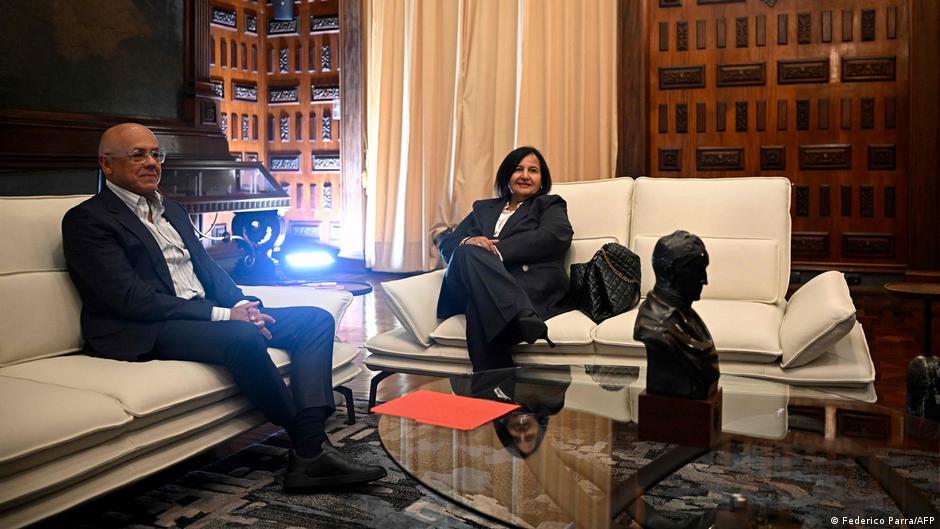
The Venezuelan government will engage in direct negotiations with opposition representatives in Caracas next week, aiming to address urgent earthquake relief efforts and the timetable for new elections.
This marks the first in-person talks between the two sides following recent seismic events and ongoing political disputes. The announcement was made by Jorge Rodríguez, the Chairman of the National Assembly and chief government negotiator, on August 1.
Key Figures and Political Context
Opposition will be represented by Dinorah Figuera, a former ally of Rodríguez who fled Venezuela in 2018 due to fears of persecution. Figuera leads a center-right opposition bloc that won the 2015 parliamentary elections and was recognized by Washington but not by then-President Nicolás Maduro.
Washington supports the negotiations, which are also facilitated under the interim leadership of Delcy Rodríguez, who stepped in after the US-sanctioned Maduro's authority was contested. Discussions are expected to focus on restoring democratic institutions, strengthening the electoral framework, and agreeing on a schedule for upcoming elections.
"The talks will cover the restoration of democracy and the organization of credible elections," said Jorge Rodríguez.
The last presidential elections in Venezuela took place in 2024, with official results declaring Maduro the winner. However, the opposition rejected these results, asserting that their candidate, Edmundo González Urrutia, secured the majority of votes.
Maria Corina Machado, a Nobel Peace Prize laureate and opposition figure allied with González currently living in exile, pledged to return to Venezuela but was notably excluded from the upcoming talks.
Market Implications and Political Stability Outlook
These negotiations arrive amidst heightened political uncertainty that has affected Venezuela's economic environment. Improved dialogue between the government and opposition could stabilize domestic markets and influence foreign investment sentiment.
Investors and market participants will closely monitor these talks, as progress toward democratic reforms and credible elections may signal a shift toward political stability and potential easing of international sanctions.
However, the exclusion of prominent opposition leaders and persistent disputes over election legitimacy continue to pose risks for sustained market confidence.