Zaporizhzhia Nuclear Plant Loses External Power Supply for 23rd Time Amid Escalating Risks
IAEA reports Zaporizhzhia plant operated on emergency diesel generators after latest power outage, raising nuclear safety concerns.
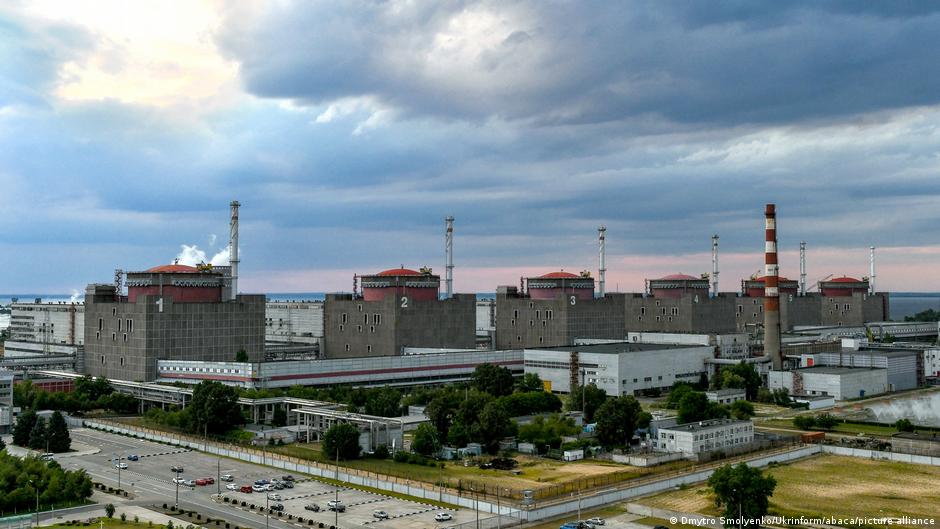
The Zaporizhzhia Nuclear Power Plant (NPP), currently under Russian control, has lost its external power supply for the 23rd time since the full-scale conflict in Ukraine began, the International Atomic Energy Agency (IAEA) reported on August 1. This latest disruption forced the plant to rely on emergency diesel generators for nearly two hours to power critical cooling systems and other essential infrastructure.
Continued Power Disruptions Heighten Nuclear Safety Risks
IAEA Director General Rafael Grossi disclosed that the cause of the latest outage on the last remaining external power line remains unclear. The organization has previously warned about increased military activity near the Zaporizhzhia facility and the city of Enerhodar, home to many plant workers, exacerbating safety concerns.
In addition to power interruptions, the IAEA has documented prolonged internet outages and water supply issues at the plant, factors that compound the risks to nuclear safety in the volatile region.
"The unstable power supply and auxiliary service disruptions create additional threats to the safe operation of the plant," Grossi indicated.
Since April 2022, the Zaporizhzhia plant has been located in Russian-occupied territory, with Russian military forces maintaining control. Satellite imagery analysis by Greenpeace Ukraine suggests that Russian authorities are actively constructing a high-voltage power line along the M18 route, connecting Melitopol with Henichesk, both controlled by Russian forces.
Experts from Greenpeace believe this infrastructure aims to integrate the Zaporizhzhia plant into the power grids of annexed Ukrainian regions, including Crimea, as well as southern parts of Russia. Nuclear specialist Jan Vande Putte from Greenpeace Ukraine noted that Rosatom views the Zaporizhzhia plant as a cost-effective alternative to building new reactors in Russia's Rostov and Krasnodar regions.
However, recent Ukrainian drone strikes on a power substation in Henichesk in early July 2023 temporarily disrupted Russian plans to connect the Zaporizhzhia NPP to Russian-controlled energy systems, highlighting ongoing volatility affecting the plant’s operational and strategic environment.