US Advances Plans to Restore Iraq-Syria Oil Pipeline to Bypass Strait of Hormuz
Washington pursues pipeline revival to reduce Iran's influence on global energy markets and secure alternative oil routes.
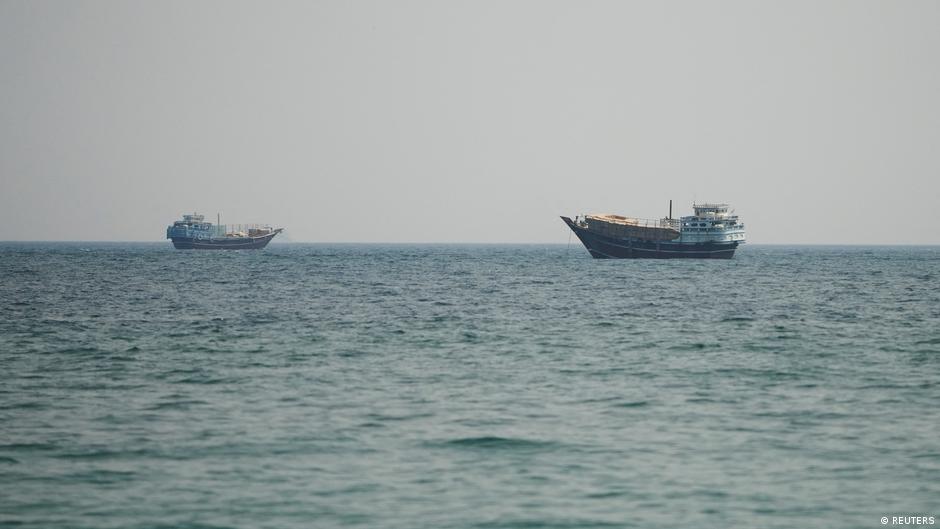
The United States is actively pushing negotiations to restore an oil pipeline running from Iraq to Syria's western coast, aiming to bypass the strategically sensitive Strait of Hormuz and diminish Iran's leverage over global energy supplies. This initiative, reported by several sources familiar with the discussions, signals a significant shift in regional energy infrastructure strategy amid rising Middle East tensions.
Pipeline Revival and Strategic Implications
The pipeline in question, connecting Kirkuk in Iraq to Banias on Syria's Mediterranean coast, has been non-operational for over two decades. US Special Presidential Envoy Thomas Barrack has engaged with officials from both Iraq and Syria, as well as representatives from major energy firms including Chevron Corporation, to explore the feasibility of rehabilitating this critical energy corridor.
Multiple route options are under consideration, but the primary focus remains on resurrecting the historic Kirkuk-Banias pipeline. The US State Department has confirmed expectations that American companies will play a leading role in the pipeline's restoration, marking a push to diversify energy export routes away from Iranian-controlled chokepoints.
"The goal is to establish a reliable alternative corridor that reduces reliance on the Strait of Hormuz, thereby mitigating risks associated with Iran's regional influence," a source involved in the negotiations noted.
US President Donald Trump recently met with Iraqi Prime Minister Ali al-Zaydi at the White House, announcing that substantial new oil partnership agreements are imminent, potentially within this or next week. This development aligns with broader efforts to strengthen US energy ties with Gulf and Levantine countries.
Challenges and Market Impact
Despite the strategic appeal, the restoration project faces significant hurdles. The proposed pipeline routes would traverse Iraq's western Anbar province and eastern Syria—areas still affected by residual insurgent activity from groups such as the Islamic State. Prospective investors must weigh the risks tied to regional instability and the post-civil war reconstruction environment.
Recent discussions have included major players such as Chevron, TotalEnergies SE, Los Angeles-based TI Capital, and Qatar's UCC Holding, all exploring the expansion of Syria's role as an export hub for crude oil. Should the project advance, it could reshape global oil flows by providing an overland alternative to the maritime passage through the Strait of Hormuz, a critical chokepoint through which approximately 20% of the world's oil passes daily.
In parallel, President Trump has announced a renewal of maritime blockades as part of efforts to secure the Strait of Hormuz, though he recently reversed plans to impose a 20% tariff on maritime goods, opting instead to seek revenue through new Gulf trade agreements.
Market analysts are closely monitoring these developments, as the pipeline's revival could alter supply dynamics, impact trading volumes, and influence sector rotations in energy markets. The success or failure of this initiative will likely have immediate implications for global oil prices and geopolitical risk assessments.