Germany Defends International Criminal Court Amid US Campaign to Restrict Its Jurisdiction
German Foreign Minister supports ICC’s role despite US threats of new sanctions and diplomatic pressures.
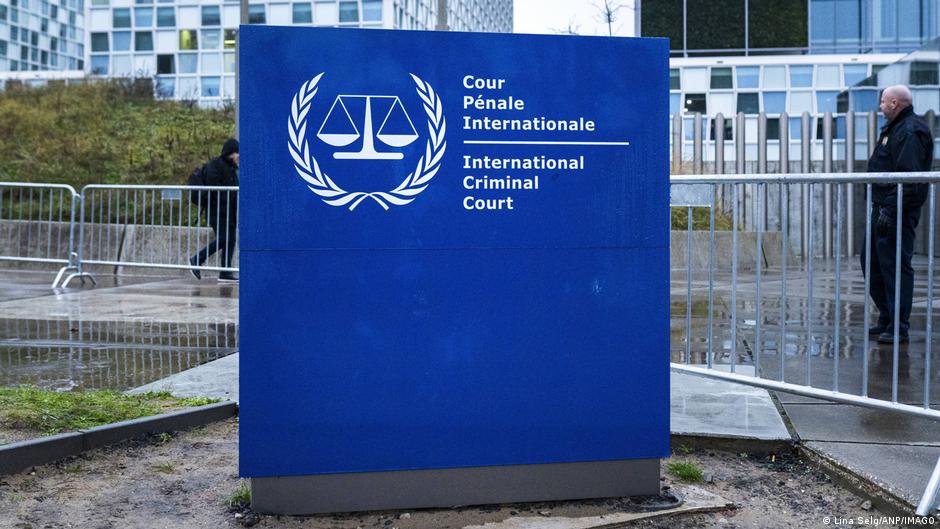
The International Criminal Court (ICC) is facing significant pressure from the United States as Washington escalates a campaign aimed at curbing the court's authority over American personnel. In response, Germany’s Foreign Minister Johann Wadephul has publicly defended the ICC, highlighting its vital role in promoting global justice and security.
Germany Upholds ICC’s Legitimacy Amid US Opposition
Speaking to the German media group Redaktionsnetzwerk Deutschland, Wadephul emphasized that the ICC contributes to making the world "safer and fairer." He noted that the court has delivered judgments on some of the gravest crimes against humanity, including recruitment of child soldiers, holding perpetrators accountable where national jurisdictions often fall short.
"Possible shortcomings are no reason to question the very existence of this important institution and its achievements," Wadephul stated, underscoring the necessity of protecting the ICC as an independent body.
Germany firmly supports the international judicial system and a rules-based global order, the minister added, positioning Berlin against the current pushback by Washington.
EU Rejects US Claims of Sovereignty Threat
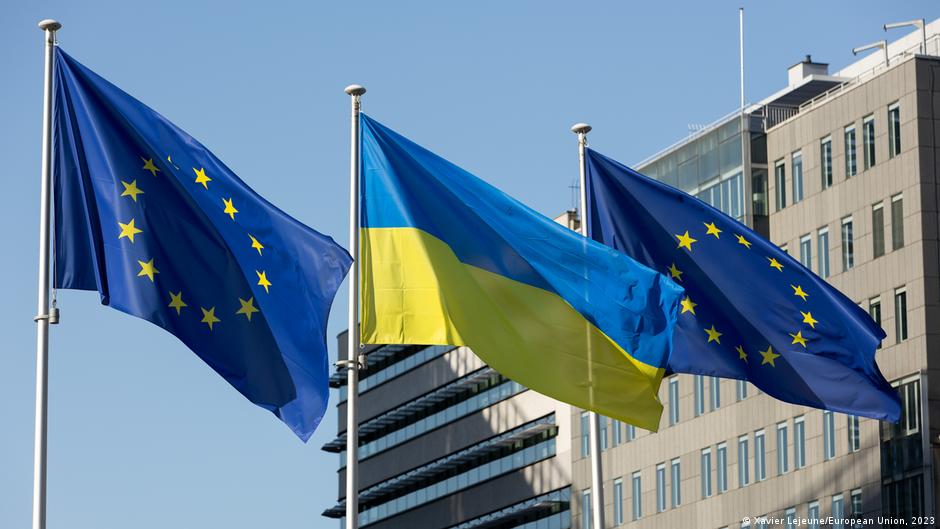
Alongside Germany, the European Commission also dismissed claims made by the Trump administration that the ICC threatens US sovereignty. European Commission spokesperson Anwar al-Anuni told The Guardian that threats or attacks against the ICC, its officials, or cooperating parties are "simply unacceptable."
He clarified that the ICC does not target sovereign states, nor does it pose a threat to their sovereignty — a direct rebuttal to Washington’s assertions.
Washington’s Escalating Campaign Against the ICC
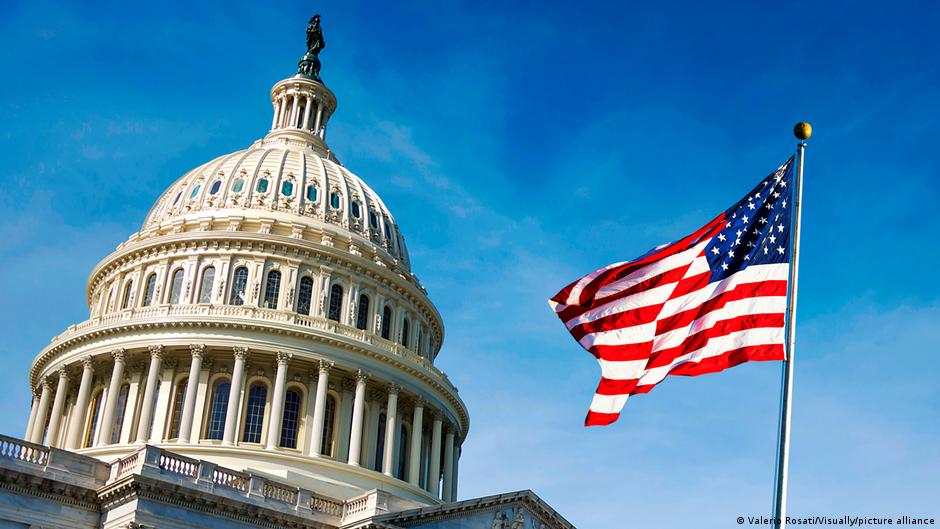
On July 13, US officials accused the ICC of creating an "unacceptable threat to US sovereignty" and announced intentions to impose new sanctions. According to the US State Department, the ICC claims jurisdiction over American military members and officials acting in US interests, something every US president since the court’s founding has rejected.
The United States has never ratified the Rome Statute, which established the ICC. The State Department pointed out that the ICC has initiated investigations into US military and intelligence personnel and refuses to close these cases, portraying itself as an "unaccountable global arbiter" above national governments.
US Secretary of State Marco Rubio described the ICC’s actions as a "war" against the US, not with weapons but through legal norms and international law. The administration’s campaign will reportedly involve a wide range of measures, including diplomatic efforts to persuade other countries to exit the ICC, calls to reject prosecutions of US officials, visa bans on ICC staff, and tightened sanctions.
Washington aims to systematically suppress the ICC’s ability to investigate or prosecute US personnel and prevent any perceived threats to American sovereignty.
Background: US Sanctions and Policy Shifts
The Trump administration repeatedly imposed sanctions on the ICC and its personnel. While President Joe Biden revoked some of these sanctions in 2021, tensions between the US and the ICC remain high, with the current administration continuing to signal strong opposition to the court’s jurisdiction over American nationals.
The ICC, headquartered in The Hague, operates as an independent international tribunal tasked with prosecuting individuals for genocide, war crimes, crimes against humanity, and aggression, particularly where national courts are unwilling or unable to act.
Germany’s defense of the ICC, alongside the EU’s firm stance, highlights a broader geopolitical divide over international legal norms and the balance between national sovereignty and global accountability mechanisms.