IRGC Claims Mine Attack on Oil Tanker in Strait of Hormuz Amid Rising Tensions
Iran’s Revolutionary Guards vow to block unauthorized vessels in Strait of Hormuz following tanker explosion and possible seizure.
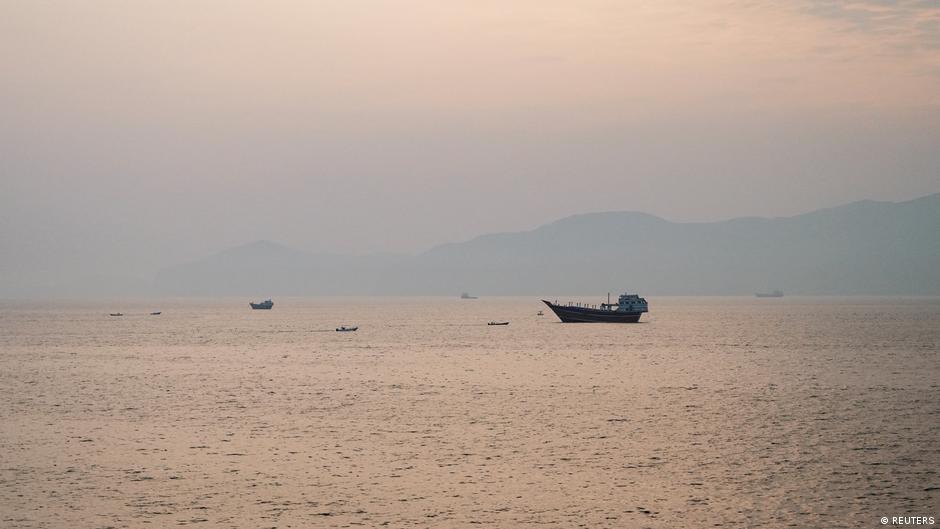
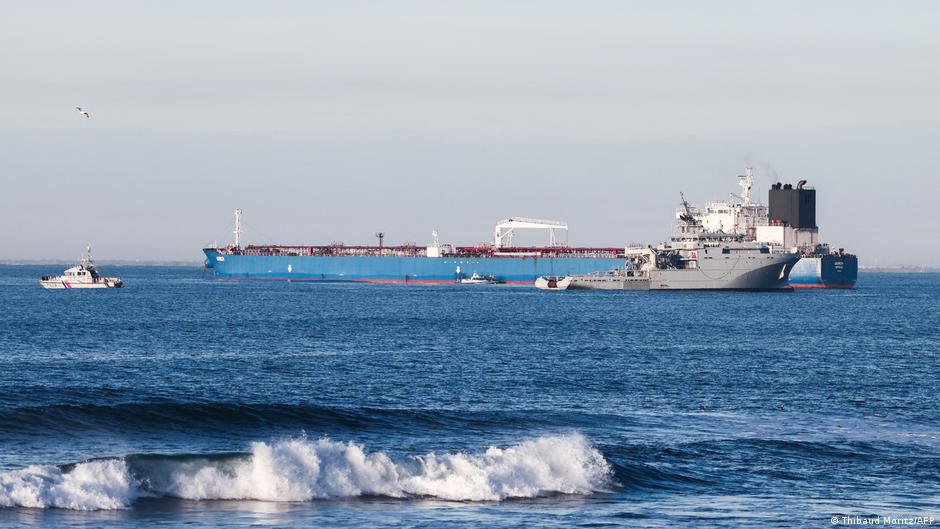
The Islamic Revolutionary Guard Corps (IRGC) has announced a mine attack on an oil tanker attempting to navigate the Strait of Hormuz without Iran’s approval, escalating regional maritime tensions and threatening global oil supply routes.
Mine Detonation and Naval Blockade
According to a statement released on July 23, the IRGC targeted three oil tankers traveling along a minelayed route south of the strategic Strait of Hormuz, an area critical for global oil transit. The press release reported that an explosion caused a severe fire on one vessel, forcing the other two tankers to turn back. The IRGC declared its intention to continue blocking the strait against any vessels passing without Iranian coordination, citing ongoing “aggressive actions” by the United States in the region as justification.
“Any ship attempting to cross the Strait of Hormuz without Iran’s consent will meet the same fate as the mined tanker,” the IRGC statement warned.
Possible Seizure of Greek-Owned Tanker Kavomaleas
Earlier on July 23, the Financial Times reported satellite imagery indicating that the Greek-owned tanker Kavomaleas may have been seized by Iran following a nighttime attack on July 19. The ship, belonging to shipping magnate Georgios Prokopiou, was reportedly en route from Oman toward the Persian Gulf when struck by two projectiles, causing a fire in its engine room and forcing the crew to evacuate.
European Space Agency satellite images dated July 21 show a vessel matching Kavomaleas’s size and deck color within Iranian territorial waters near Larak Island. Smoke was visible emanating from its engine compartment. The attacked area of sea has since appeared devoid of other traffic, suggesting a heightened risk environment.
Analysts assessing the imagery believe the tanker was likely taken into Iranian custody. The ship was reportedly scheduled to load over 500,000 barrels of oil in the Persian Gulf. Visible oil traces trailing the vessel hint at ongoing leakage or fuel discharge.
Dynacom, the owner company, stated it had not authorized any movements and is currently investigating the ship’s whereabouts.
Context of Escalated Maritime Hostilities
The attack on Kavomaleas marks the third confirmed Iranian seizure of a vessel since the onset of escalating conflicts involving the US and Israel against Iran. To date, 45 ships have been targeted in the ongoing maritime confrontations, underscoring the volatility of the region’s shipping lanes.
Market watchers are monitoring the Strait of Hormuz closely, as any disruption in oil exports from this chokepoint could send shockwaves through global energy markets. The IRGC’s declarations reinforce Tehran’s resolve to control navigation through the strait, potentially prompting increased insurance premiums and rerouting by commercial shippers seeking to avoid Iranian waters.
With tensions rising and the potential for further attacks or seizures, traders and energy analysts must factor in the growing geopolitical risks impacting crude oil supply and regional stability.