Trump Expects New Iran Talks as Hormuz Standoff Keeps Markets on Edge
The U.S. president said negotiations could resume this week after rejecting Tehran’s seven-day proposal to reopen the Strait of Hormuz.
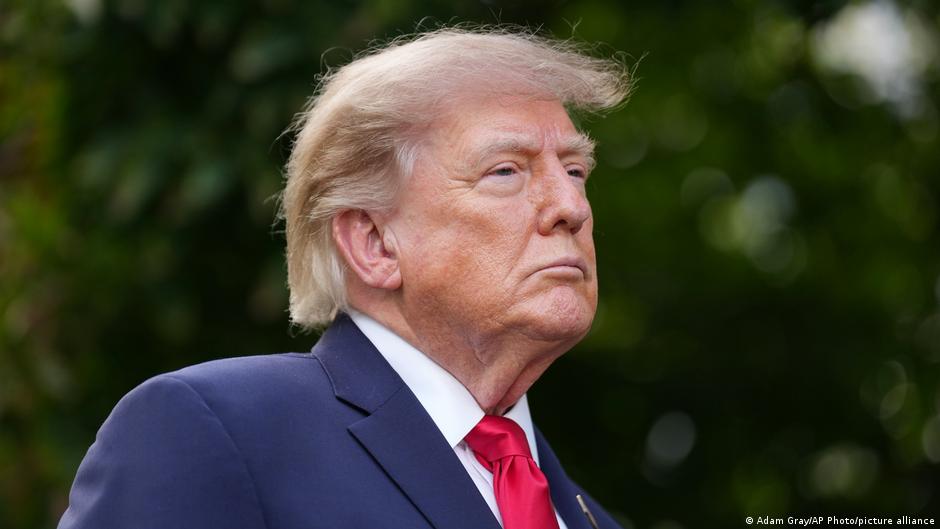
U.S. President Donald Trump said he expects negotiations with Iran to resume in the coming days, keeping traders focused on the Strait of Hormuz standoff and the potential market fallout from any escalation in the Gulf. His comments came after the White House rejected a seven-day plan proposed by Tehran to reopen the key maritime passage.
Trump made the remarks on Sunday, September 27, in a telephone interview with the U.S. news outlet Axios. The statement places the next round of diplomacy on the market calendar for the coming week, with investors watching whether talks can reduce disruption risks around one of the world’s most strategically important shipping corridors.
“I expect new talks with Iran [in the coming week]. They want to make a deal, but it is not the deal I want to make,” Trump said.
According to the account, Trump added that the United States might have accepted such terms a year earlier, but said Tehran had “overestimated its strength.” Asked whether he was considering renewed strikes against Iran, the U.S. president replied that he “always thinks about it.”
For markets, the comments point to two competing signals: the possibility of renewed negotiations and the continuing threat of military action. That mix is likely to keep energy, shipping, defense and broader risk assets sensitive to headlines from Washington, Tehran and regional mediators.
Qatar Mediation in Focus
Two regional sources cited by Axios, speaking on condition of anonymity, also confirmed Trump’s remarks about the potential resumption of negotiations between the two countries. They expect Qatari mediators, who previously participated in meetings involving representatives of Washington and Tehran, to hold talks as early as September 28 with Iranian Foreign Minister Abbas Araghchi and U.S. presidential special envoy Steven Witkoff.
The timing matters for real-time market positioning because any sign of a credible mediation channel could reduce immediate concerns over shipping disruption. Conversely, failure to bridge the gap between the two sides could renew pressure on energy-linked contracts and raise demand for defensive hedges.
Axios pointed to sharply different expectations for any potential agreement. Tehran wants any negotiations to focus on fully opening the Strait of Hormuz and lifting the U.S. maritime blockade. Washington, by contrast, is pressing for a broader agreement that includes concessions on Iran’s nuclear program.
The Strait of Hormuz has become the central market variable in the confrontation. Tehran’s proposal, described several days earlier by Araghchi, called for shipping through the strait to be restored within a week if certain conditions were met, alongside a return to negotiations on a longer-term settlement of the conflict.
Media reports listed those conditions as an end to fighting on all fronts, including Lebanon, the lifting of the blockade on Iranian ports, the unfreezing of Tehran’s assets and the removal of restrictions on Iranian oil exports. Each of those points carries direct implications for energy supply expectations, freight flows and sanctions-sensitive trading strategies.
Rejected Proposal Leaves Risk Premium Intact
On September 26, Trump said he had rejected Iran’s proposal. He said Tehran wanted a deal under which the strait would open immediately because Iran was suffering heavy losses. While he said he also liked making deals, he described the proposal as unacceptable.
“I reject their proposal,” Trump said. “They want to make a deal under which the strait opens immediately, because they are suffering crushing losses.”
The rejection leaves the market facing a narrow diplomatic window. A seven-day reopening framework could have offered a near-term off-ramp for shipping disruption, but Washington’s insistence on a broader arrangement means traders may continue to price geopolitical uncertainty into oil, marine transport and regional exposure.
The Wall Street Journal previously reported Trump’s decision to reject Iran’s proposal, citing unnamed sources. According to that report, the U.S. president also told aides that he intended to resume bombing Iran after the midterm elections in Congress in November. The same sources said Trump considered a new military operation “highly likely” because he was skeptical that Tehran was prepared to meet his demand for a complete abandonment of its nuclear program.
That reported timeline adds another layer for investors tracking political risk. The immediate focus is whether Qatar-backed contacts produce movement this week. The next marker is November, when the report says Trump has linked renewed military action to the U.S. electoral calendar.
Sector rotation could remain headline-driven while the talks remain unresolved. Energy markets may react to any shift in the perceived probability of a reopening of the Strait of Hormuz. Shipping and insurance costs could also stay sensitive to signs of continued blockade conditions or renewed military strikes. Defense-related equities may draw attention if the probability of a new operation rises, while broader equity sentiment could weaken on escalation risk.
For now, the central trading question is whether renewed diplomacy can produce terms acceptable to both sides. Tehran is pressing for maritime relief and sanctions-related concessions, while Washington is using the Hormuz crisis to demand a wider nuclear settlement. Until that gap narrows, market participants are likely to treat each official comment and mediator meeting as a potential catalyst.