US and Iran Agree to Halt Attacks Ahead of Strait of Hormuz Talks on June 30
Washington and Tehran commit to cease hostilities until key maritime security meeting in Qatar
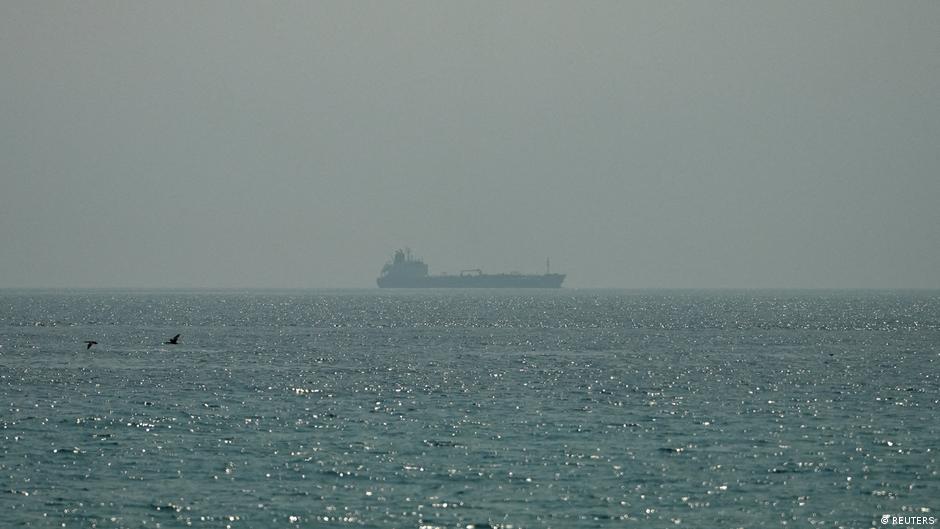
Following a renewed exchange of military strikes, the United States and Iran have agreed to a temporary ceasefire, promising not to launch attacks against each other until their scheduled meeting on June 30 in Qatar. The talks will focus on reopening and securing shipping routes in the strategically vital Strait of Hormuz.
Temporary Truce Amid Ongoing Tensions
As reported on June 28, both parties confirmed plans to hold discussions aimed at restoring free navigation through the Strait of Hormuz, currently only partially open. Iran insists that vessels coordinate their routes with its military authorities, limiting transit to just two narrow channels. Despite US President Donald Trump’s declarations of a fully open passage, shipping volumes remain below half the pre-conflict levels that existed before the US and Israel launched military operations against Iran.
“The agreement to pause attacks until June 30 offers a window for diplomatic engagement on one of the world’s most critical maritime chokepoints,” said a source close to the negotiations in Washington.
In late June, despite the declared truce, the US and Iran exchanged significant strikes: US forces targeted several Iranian coastal bases in retaliation for Iranian attacks on two commercial vessels transiting the Strait. Tehran argued the ships had deviated from routes previously agreed with the Islamic Revolutionary Guard Corps (IRGC), while the US viewed Iran’s actions as an attempt to tighten control over the vital waterway.
Iran responded with missile strikes against US military installations in Kuwait and Bahrain, reportedly causing substantial damage to a facility in Bahrain. Following these escalations, both sides threatened to end the ceasefire, which has officially been in place since April 8 but repeatedly violated.
Market Impact and Uncertain Outlook
The Strait of Hormuz remains a crucial conduit for oil exports from Persian Gulf countries to global markets. The prospect of reopening the passage had already begun to weigh on crude prices. After the June 17 announcement of a "memorandum of understanding" between the US and Iran, oil futures declined.
On June 24, Brent crude futures dropped to $73.22 per barrel—the lowest since February 27, just before US and Israeli strikes on Iran commenced. West Texas Intermediate (WTI) crude traded at $69.87 per barrel the same day.
However, the ceasefire and memorandum represent only provisional steps. Both parties have a 60-day timeframe to negotiate critical issues such as Iran’s nuclear program, US troop withdrawals from neighboring countries, and whether Iran will impose fees on vessels passing through the Strait. No substantive progress has been reported since the agreement was signed.
Market participants continue to monitor developments closely, as any resumption of conflict or failure to resolve these disputes could trigger renewed volatility in energy prices and supply chains.