Russian Forces Executed at Least 345 Surrendered Ukrainian Soldiers Since 2022
Ukrainian official reports documented war crimes involving summary executions and torture of POWs amid ongoing conflict.
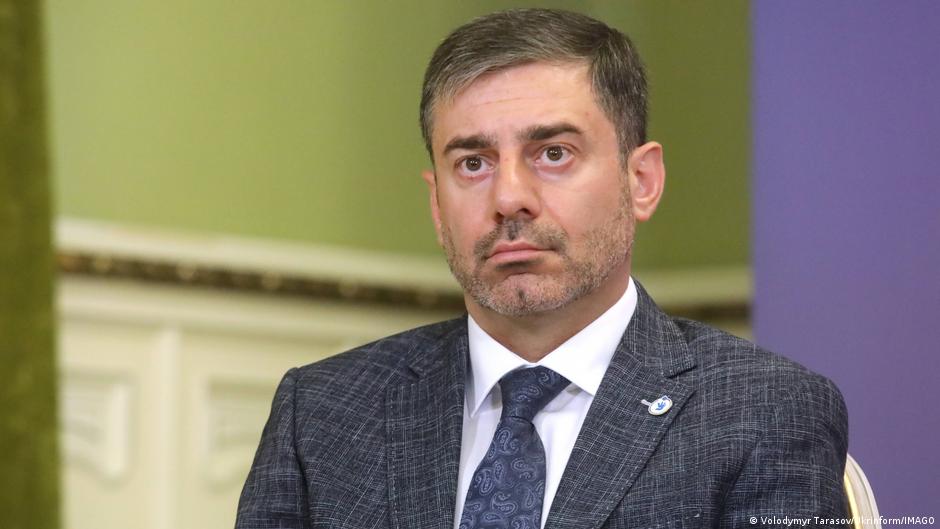
Since the full-scale invasion began in February 2022, Russian military personnel have executed at least 345 Ukrainian soldiers who had surrendered on the battlefield, according to Dmitry Lubinets, the Ukrainian parliamentary commissioner for human rights.
Addressing a press conference on August 12, Lubinets detailed that these incidents were recorded on video, showing Ukrainian soldiers who had fully surrendered—laying down arms, raising hands, or lying on the ground—being shot at close range by Russian troops despite their compliance.
War Crimes Against Prisoners of War
Lubinets emphasized that such killings constitute war crimes under the Geneva Conventions and legally qualify as executions of prisoners of war. Beyond the 345 confirmed battlefield executions, Ukraine has verified through the International Committee of the Red Cross (ICRC) that at least 375 Ukrainians died after being registered as prisoners of war, including both military personnel and civilians.
"They all returned home on shields, meaning the Russian Federation handed over the bodies of 375 tortured Ukrainian citizens," Lubinets stated.
He further revealed widespread and systematic use of torture against Ukrainian POWs detained in Russia. Methods documented align with the Istanbul Protocol's definitions of torture and include beatings, electric shocks, sexual violence, psychological pressure, dog attacks, and mock executions.
Lubinets reported that investigators have recorded 695 instances of torture forms inflicted on Ukrainian prisoners and civilian hostages, alongside 860 cases of inadequate detention conditions. An estimated 95% of Ukrainian POWs have experienced systematic torture within Russian detention facilities.
These findings highlight a grim pattern of human rights abuses amidst the ongoing conflict, underscoring the challenges faced in protecting prisoners and civilians in war zones. The information may influence international responses and adjustments in trading sectors sensitive to geopolitical risks, including defense and energy markets.