US President Trump Declares Intent to Claim Strait of Hormuz as US Territory Amid Rising Tensions
Trump announces plans to declare the Strait of Hormuz US territory, signaling potential permanent military presence amidst ongoing Iran conflict.
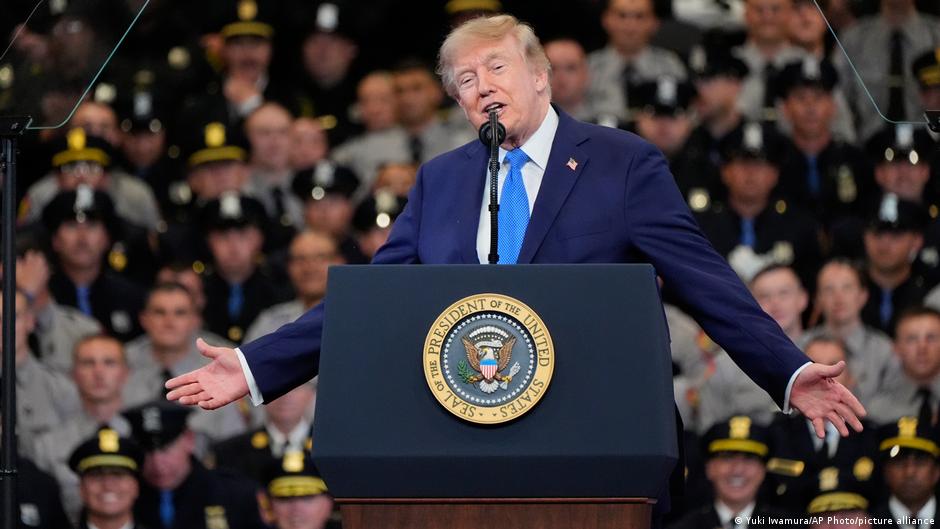
In a significant escalation of geopolitical tensions, US President Donald Trump announced on August 15 his intent to declare the Strait of Hormuz as American territory once a decisive victory over Iran is achieved. Speaking at a police academy event in New York, Trump claimed that US military forces currently control the vital waterway, which has been the focal point of heightened conflict between the United States and Iran.
Strategic Importance and Military Implications
The Strait of Hormuz, a narrow passage connecting the Persian Gulf with the Gulf of Oman and the Arabian Sea, is a critical choke point for global oil shipments. Recent months have seen a sharp decline in global oil supplies due to the blockade of the strait, amid an ongoing conflict involving US and Israeli actions against Tehran.
"The Strait of Hormuz is currently under US military control, and we intend to make it American territory," Trump stated, underscoring the strategic significance of the region.
Such a declaration would likely necessitate a permanent US military deployment in the region, a stark contrast to earlier White House statements that envisaged only a brief military engagement. The move aligns with President Trump’s previous ambitions to assert greater US control over other strategic international assets, including Greenland, the Panama Canal, and even Venezuela, which he has controversially suggested could become the 51st US state.
Iran has firmly rejected US claims, maintaining that it controls the Strait and denying any American naval dominance. Iranian Deputy Foreign Minister Qasem Garibabadi responded to Trump’s announcement by affirming that Iran would not succumb to threats or displays of force from the United States.
Economic and Market Impact
The ongoing blockade of the Strait of Hormuz has had immediate repercussions on global energy markets. As one of the world's primary oil transit routes, any disruption in shipping through the strait significantly affects oil supply and trading volumes worldwide. Market participants have been closely monitoring sector rotations within energy stocks and commodity futures as global inventories continue to shrink.
Iran has issued a new set of demands for lifting the blockade, including compensation for war damages and the removal of sanctions. Meanwhile, President Trump has indicated a preference for escalating economic pressure over further military strikes, suggesting that increased sanctions could coerce Iran into concessions.
Recent US military operations reportedly include the clearing of naval mines from the strait, reinforcing Washington’s assertion of control. This intensifies the risk profile for traders and investors in energy and shipping sectors, prompting heightened volatility in oil prices and related markets.
The situation remains fluid, and market observers expect that any formal US territorial claim over the Strait of Hormuz could trigger significant geopolitical and economic shifts, affecting global supply chains and trading dynamics.