US House Passes Resolution Restricting Trump’s Military Actions Against Iran Without Congress Approval
For the first time, the US House of Representatives voted to prohibit President Trump from continuing military operations against Iran without congressional consent.
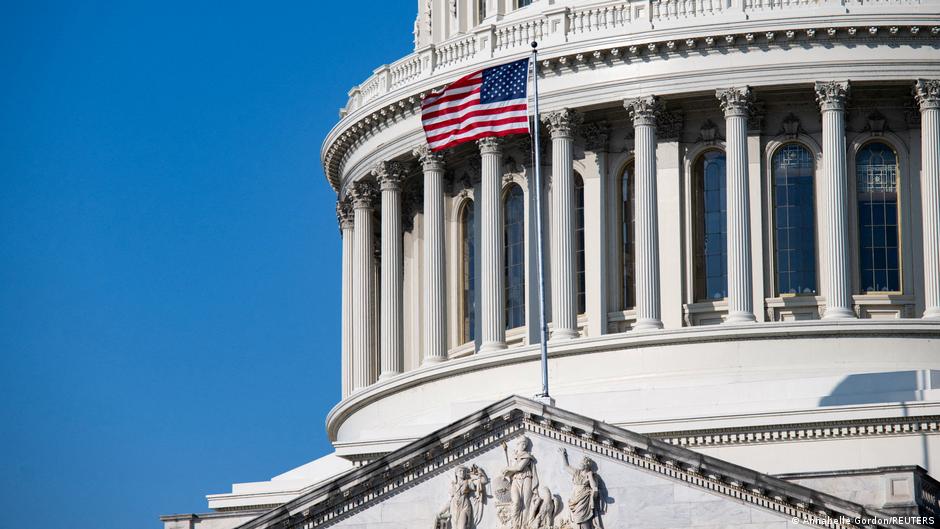
The US House of Representatives has taken a significant step by approving a resolution that prohibits President Donald Trump from continuing military operations against Iran without explicit approval from Congress. This marks the first occasion the lower chamber has formally opposed the White House's position on the conflict with Iran.
The resolution passed with a narrow margin—215 members voted in favor, while 208 opposed. Although Democratic representatives largely supported the measure, the resolution also gained backing from four Republicans, which proved crucial given the GOP majority in the House.
Shifting Congressional Stance on Conflict with Iran
Observers note that support for military action against Iran is waning, even among President Trump's own party members. This development follows a similar vote in the US Senate on May 19, where 50 senators favored a resolution requiring Trump to cease hostilities against the Islamic Republic without Congress's approval, compared to 47 against. However, three Republicans abstained due to campaign commitments, diminishing the likelihood of full Senate endorsement.
Earlier in the year, Republicans had blocked seven attempts to advance this resolution in the Senate. The resolution was initially brought to a vote in March following the commencement of joint US-Israeli military operations targeting Iran. Additionally, the measure faced repeated obstruction in the House, being blocked three times by Republicans.
"Even if approved by both chambers, the resolution is expected to face a presidential veto," reports acknowledge, highlighting the challenge of enacting congressional limits on executive military actions.
According to the 1973 War Powers Act, the US president is authorized to conduct military operations without Congress's approval for a maximum of 60 days, after which congressional authorization must be secured to continue. President Trump notified Congress on May 1, 2026, that the 60-day period had ended and declared the conflict with Iran concluded. Nevertheless, military engagements have persisted.
For instance, on the night of May 3, Iran's Islamic Revolutionary Guard Corps launched rocket and drone strikes targeting US bases in Kuwait and Bahrain. The US military responded with an airstrike on an Iranian military facility on Qeshm Island in the Strait of Hormuz.
President Trump maintains that his administration is actively negotiating with Iranian leadership to bring the conflict to an end.