Business
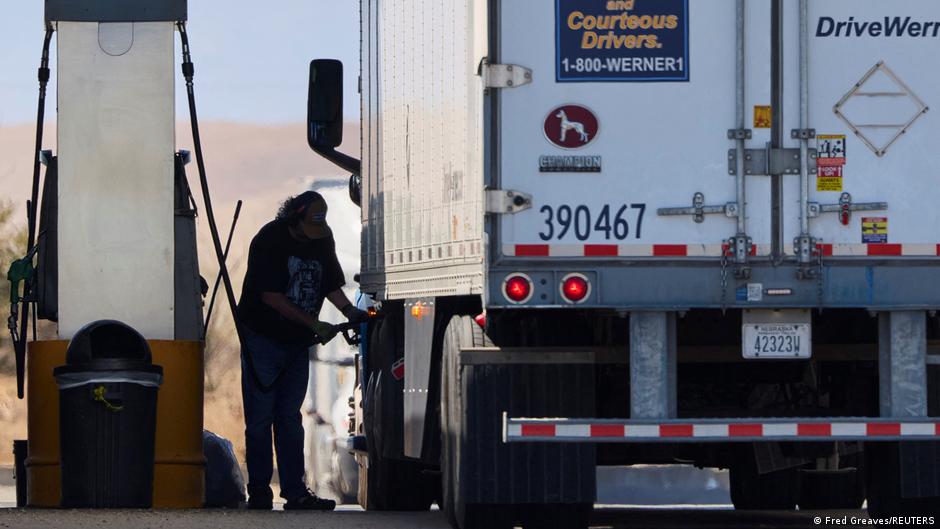
U.S. Senators Urge Trump to Scrap Russian Diesel Deal as Supply Nears
A bipartisan Senate group says Trump’s Russian diesel deal would aid Moscow while doing little to lower U.S. fuel costs.
Editorial Team · Oct 14, 2026
A bipartisan Senate group says Trump’s Russian diesel deal would aid Moscow while doing little to lower U.S. fuel costs.
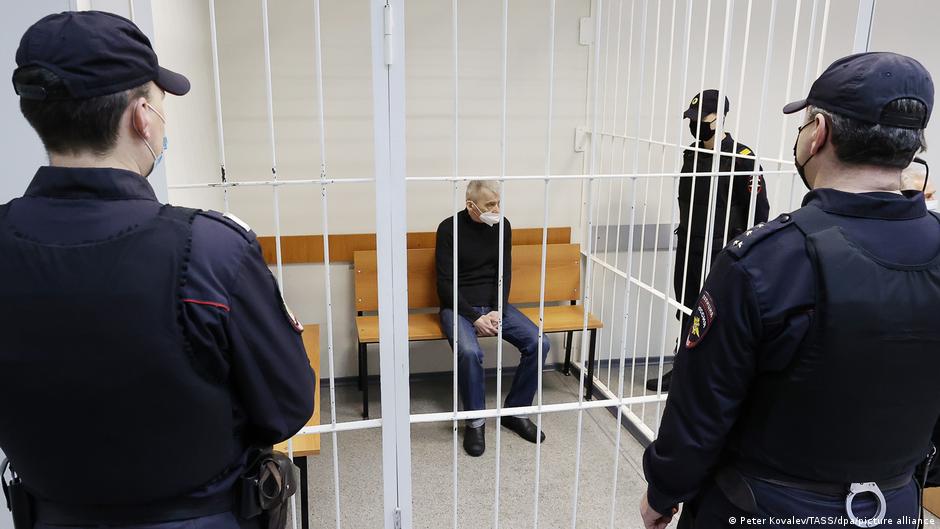
Yury Dmitriev was returned to a Russian penal colony without a diagnosis after suspected stroke symptoms, rights advocates said.
Finland’s foreign minister urged an EU-wide halt to Russian tourist visas, adding pressure ahead of bloc talks on Russia visa policy.
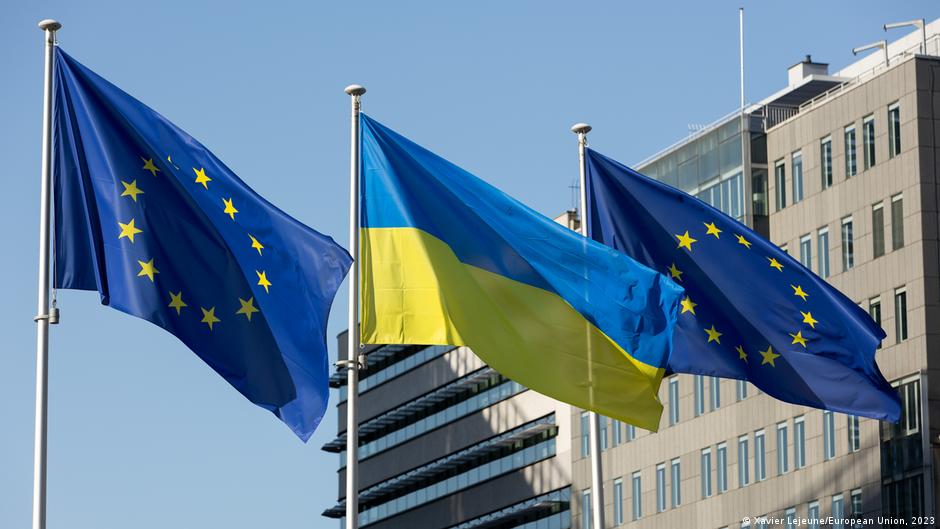
EU states agreed to open accession clusters 2 and 3 for Ukraine and Moldova, adding a policy catalyst for regional market watchers.
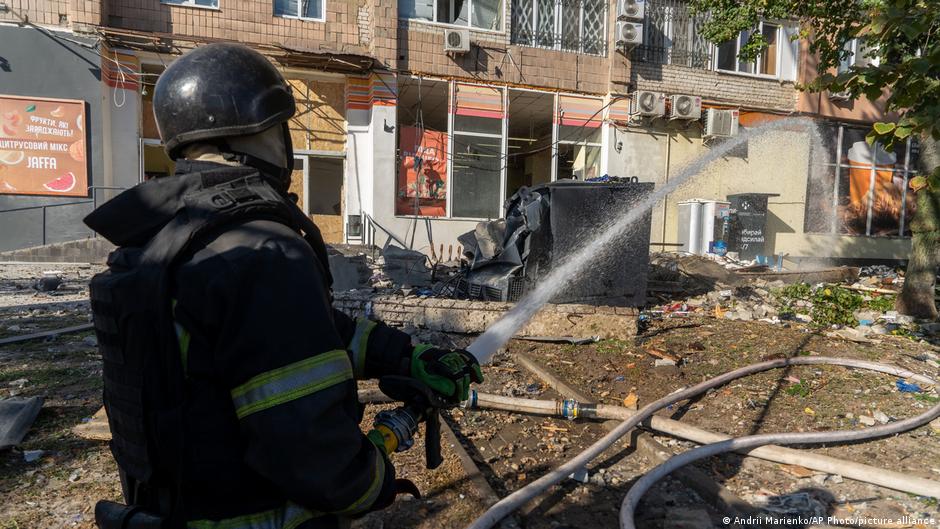
Trump said Putin is more interested than Zelensky in a Ukraine peace deal as Kyiv reported no Russian compliance with an energy ceasefire.
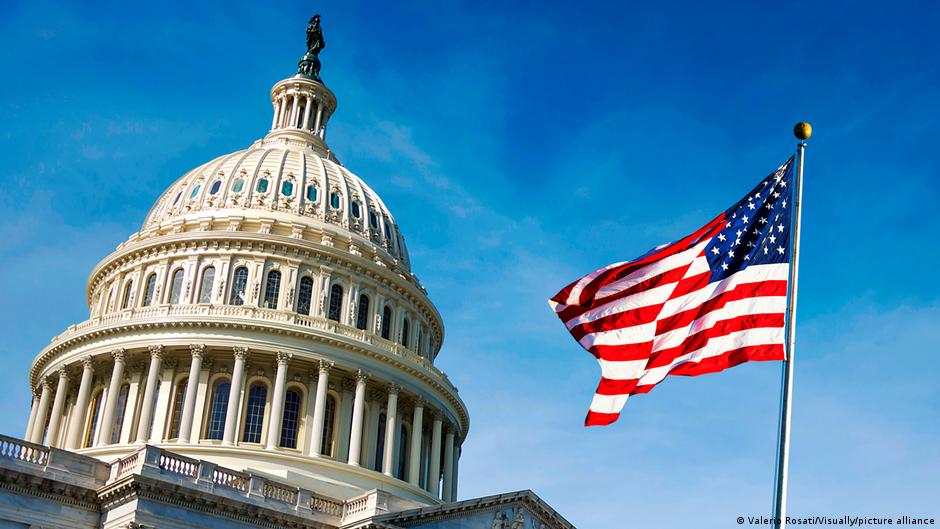
U.S. pressure on Ukraine’s PURL arms program adds new risk for energy and defense markets as Washington pushes for a refinery-strike halt.
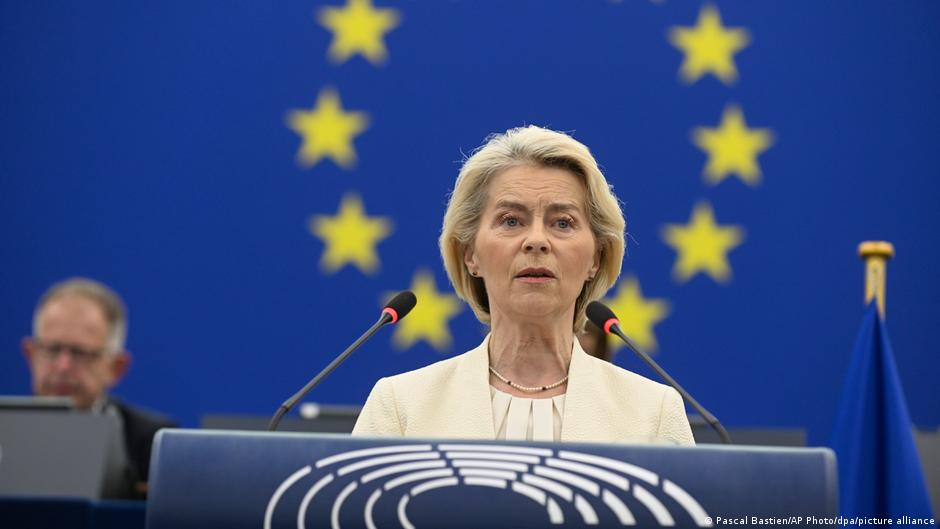
The EU plans fresh financing for Ukraine drone and missile purchases as leaders prepare to discuss Kyiv’s funding needs at this week’s summit.
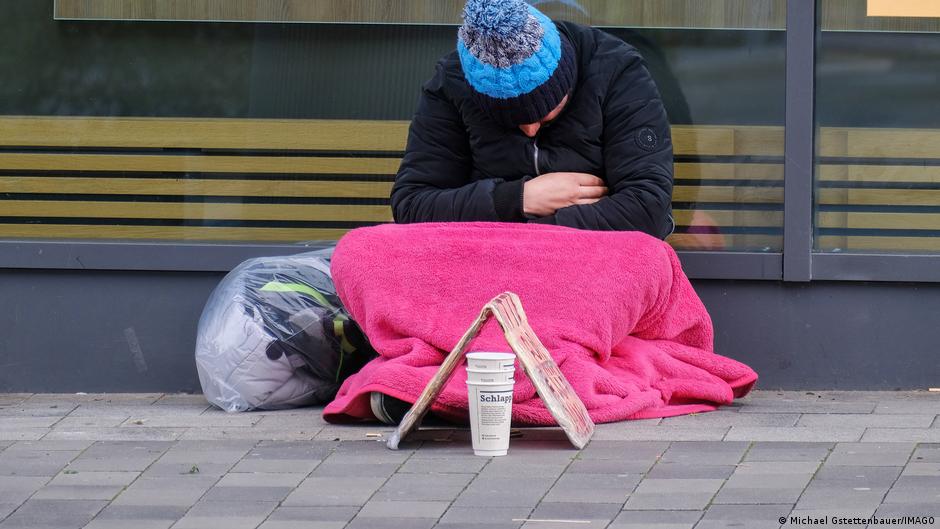
New figures show 1.4 million people in Germany received Bürgergeld for at least five years, intensifying debate over labor supply and welfare reform.
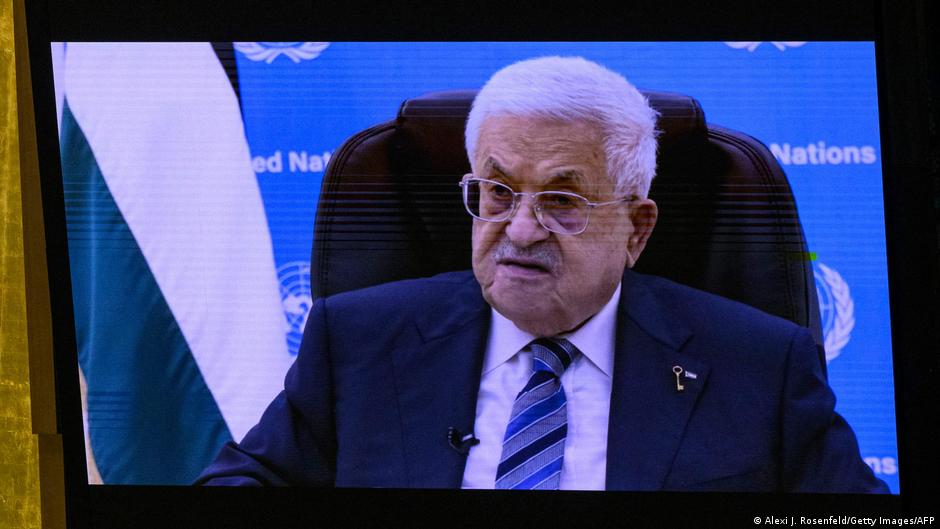
Abbas delayed Palestinian elections to September 2027, extending political uncertainty tied to Gaza governance and Middle East market risk.
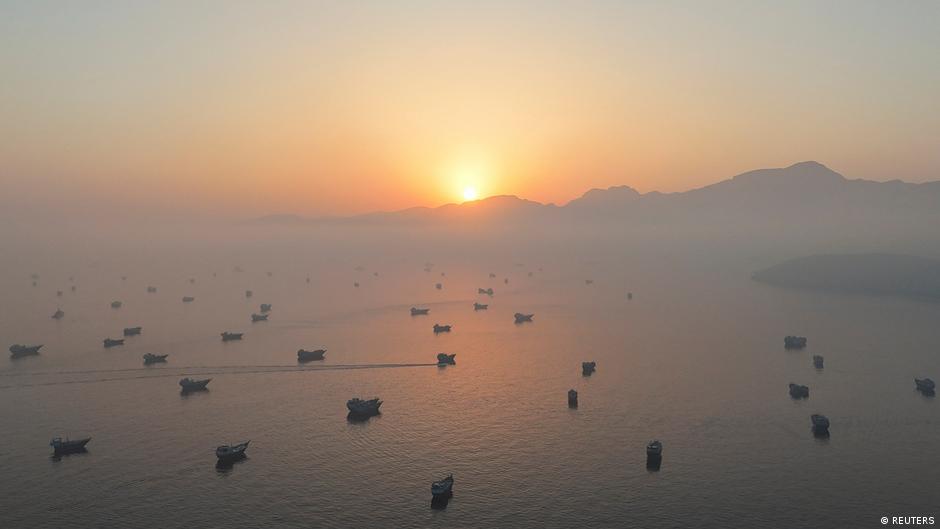
CENTCOM said a U.S. fighter disabled the M/V Ocean Molica, while UKMTO reported a separate tanker fire in the Strait of Hormuz.
US lawmakers are preparing a bill to ban Russian oil purchases, challenging Trump’s reported diesel supply agreement with Putin.
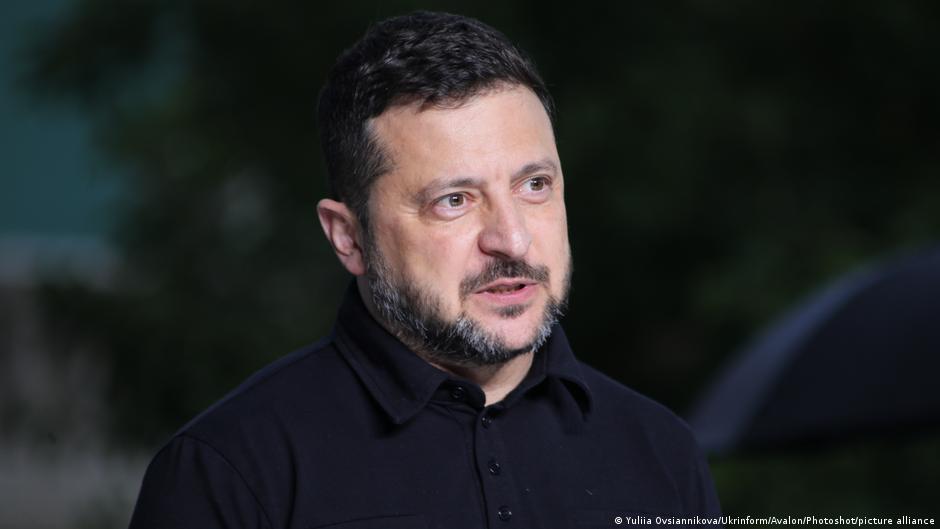
Zelenskyy criticized a U.S.-Russia diesel arrangement, warning that any sanctions easing without de-escalation could prolong the war.
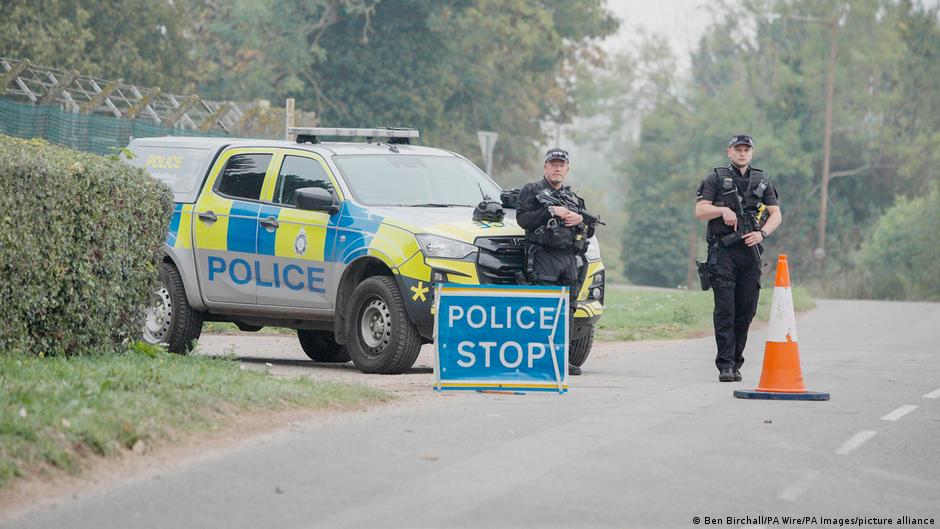
Two Latvian citizens were detained after entering RAF Molesworth, a UK base hosting NATO and US intelligence centers.
Ukraine will meet Trump envoys in the U.S. on October 9-10 to discuss a new war-ending plan, with sanctions, Starlink and data centers in focus.
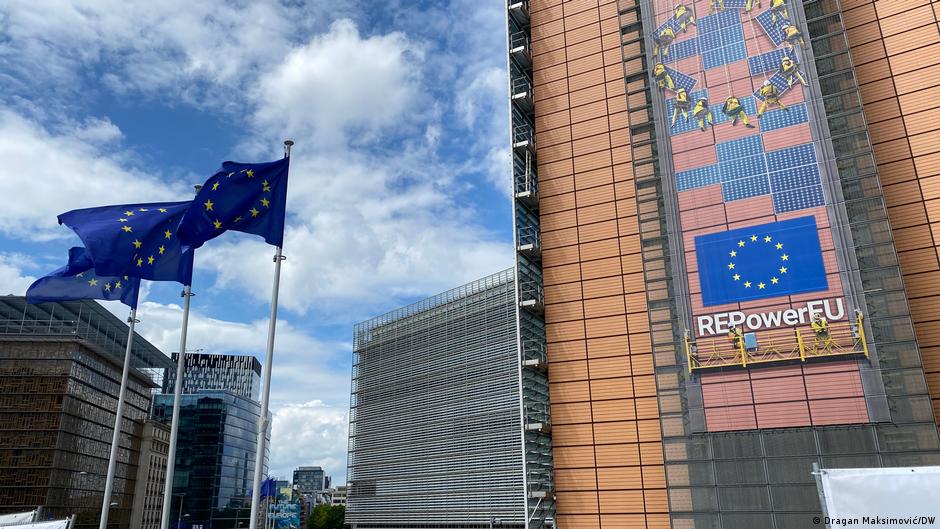
The European Parliament approved a €115 million Agile defence innovation programme aimed at SMEs, startups and scale-ups.
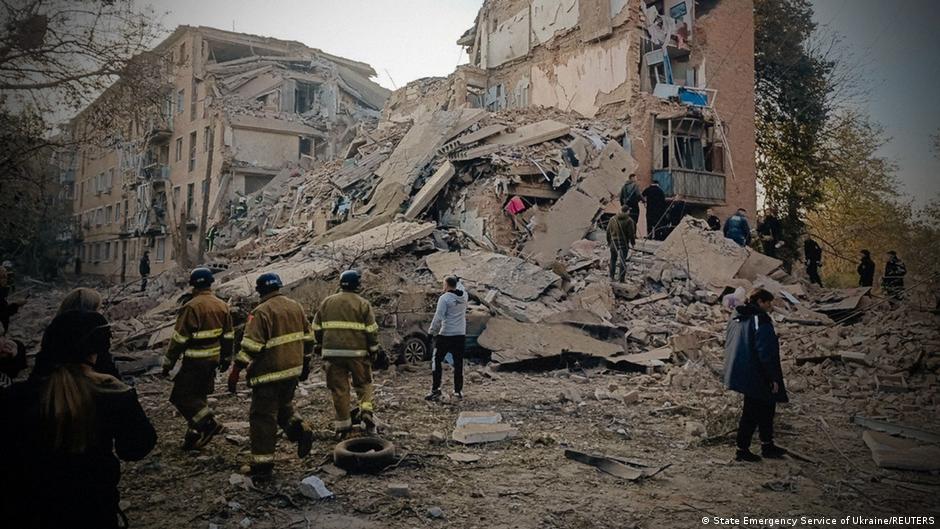
Ukraine said 28 people were killed and 100 wounded after a Russian missile and drone barrage struck 13 regions, including Priluky.
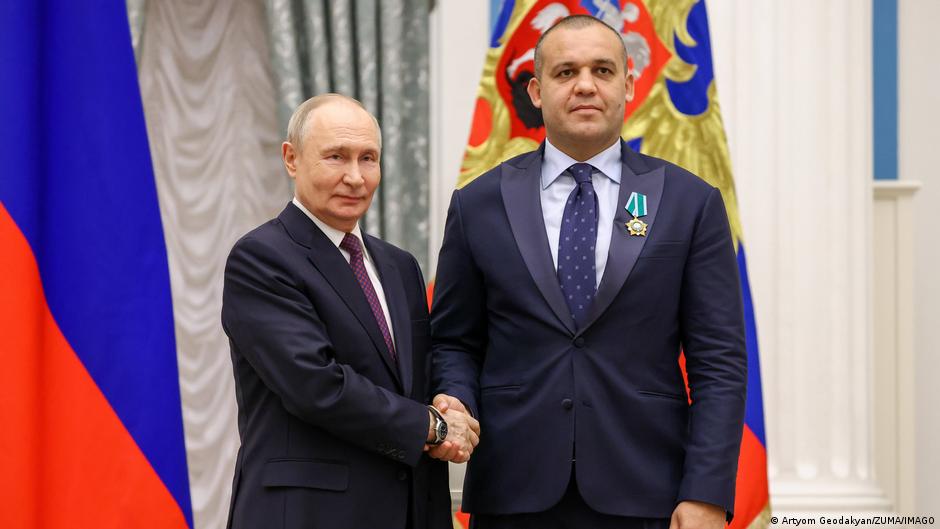
Umar Kremlev said Donald Trump Jr. repaid money tied to wedding-event costs, keeping a political-risk story alive for markets.
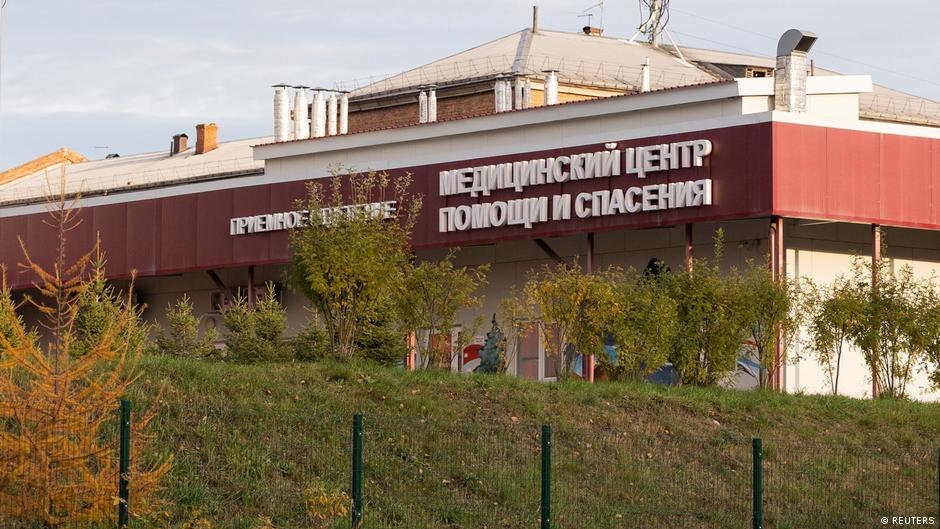
Trump plans to call Putin as WHO seeks more details from Russia on an Irkutsk fatal pneumonia case and reported local health measures.
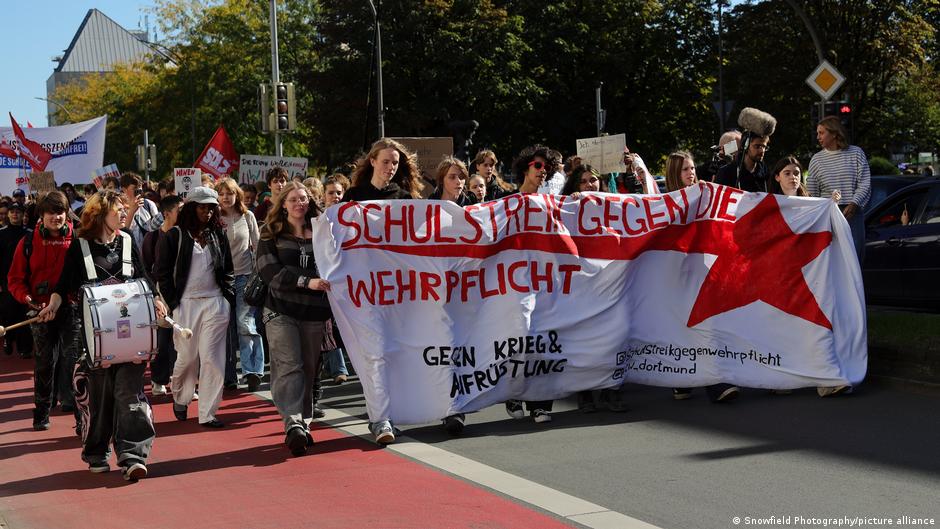
Germany logged at least 12,102 military-service refusal declarations in eight months, even as Bundeswehr recruitment and troop counts rose.
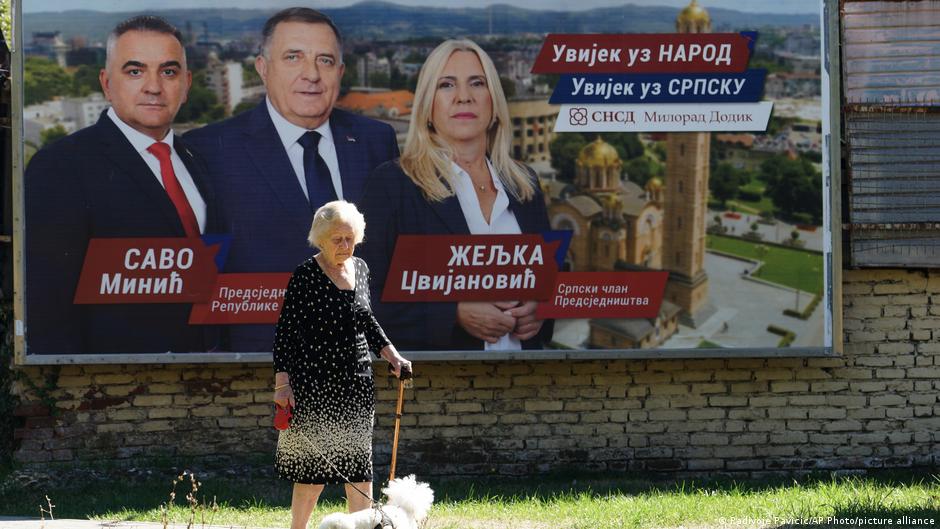
Preliminary Bosnia results showed ruling-party candidates and Milorad Dodik’s allies holding key posts, signaling political continuity.
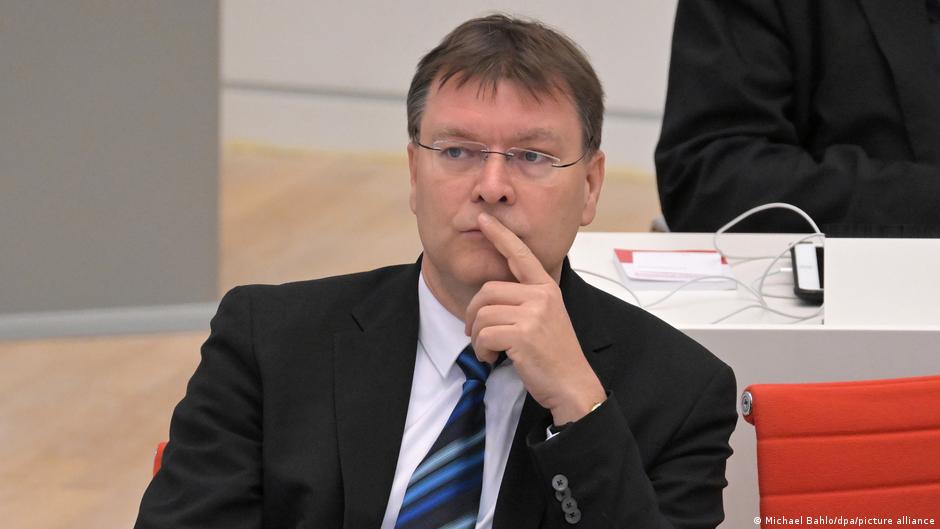
BSW lawmaker Sven Hornauf is preparing delegations to Belarus and Russia to revive twin-city ties, adding to Germany’s Russia policy debate.
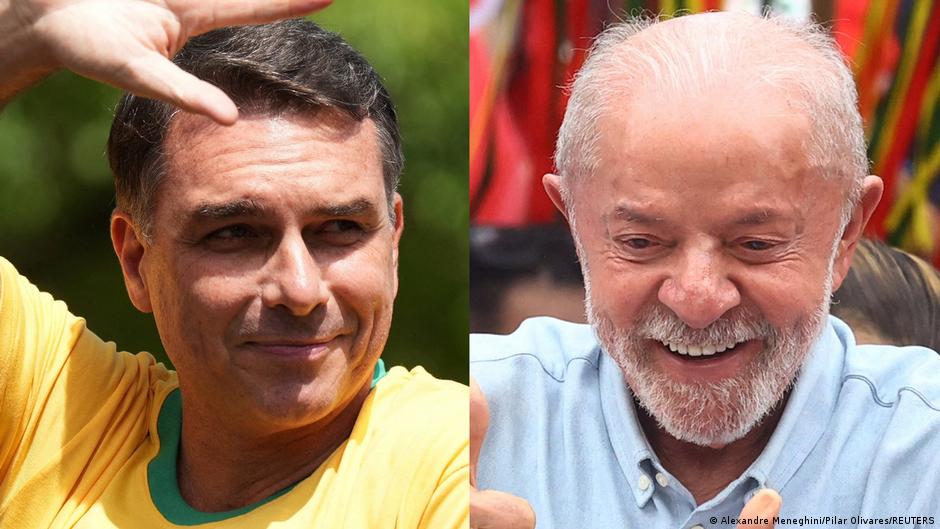
Flavio Bolsonaro led Brazil’s first-round presidential vote with 47.03%, sending the race against Lula da Silva to an Oct. 25 runoff.
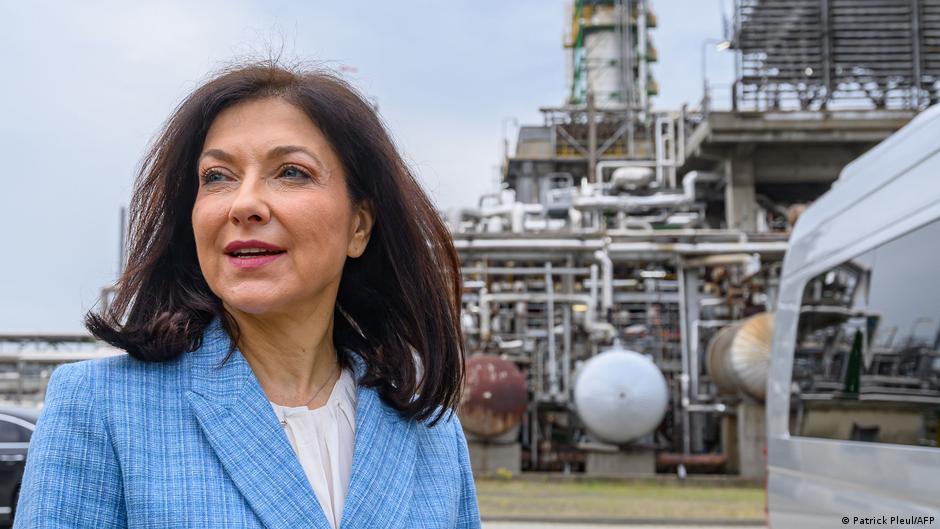
Germany’s economy minister warned that the Left Party’s Berlin win could damage investor confidence and threaten business conditions.
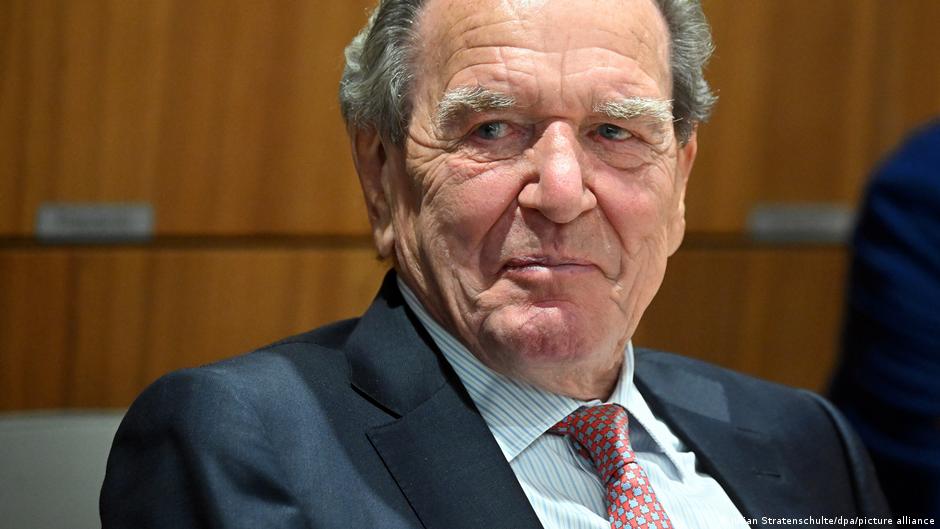
Gerhard Schroeder’s new Hyperglobus role has drawn German criticism as observers weigh political and asset-control risks around Russia-linked retail operations.
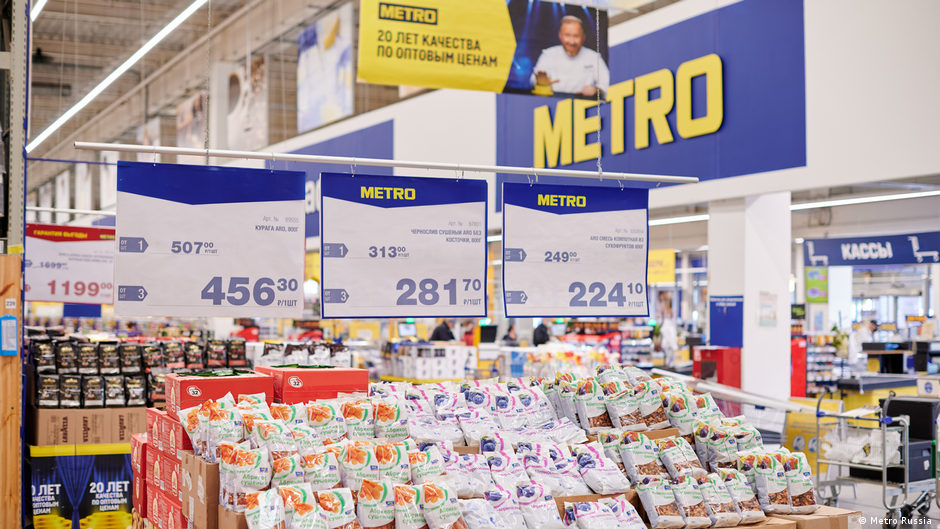
Foreign retailers including Auchan, Leroy Merlin and Metro face heightened Russia asset-control risk as temporary management spreads.
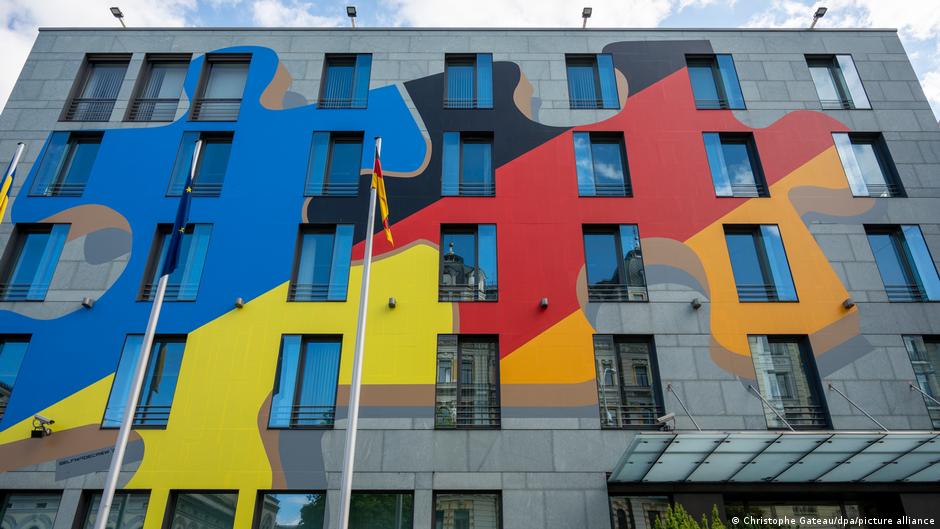
Western governments are preparing plans to move embassies from Kyiv to Lviv or Poland as Russian strikes raise Ukraine winter risk.
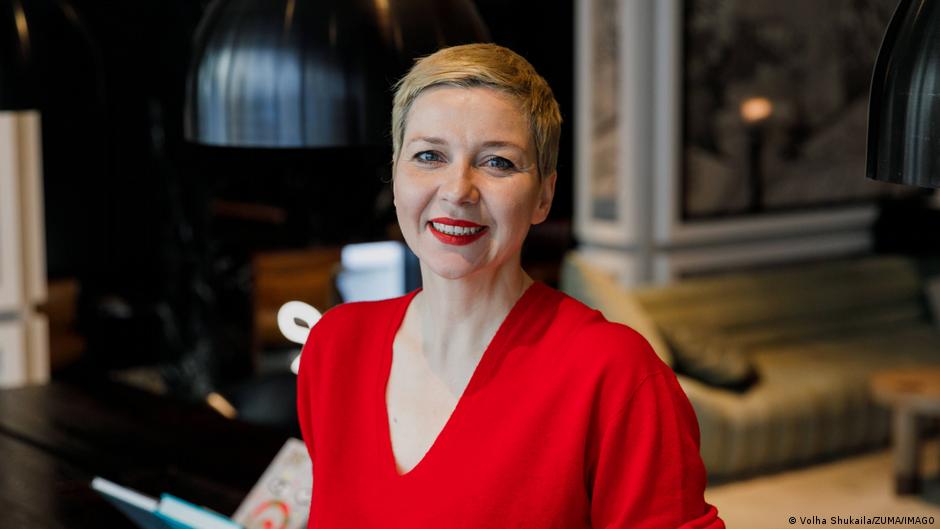
Maria Kolesnikova urged the EU to use diplomacy and sanctions to free Belarusian political prisoners and reduce Russia’s influence.
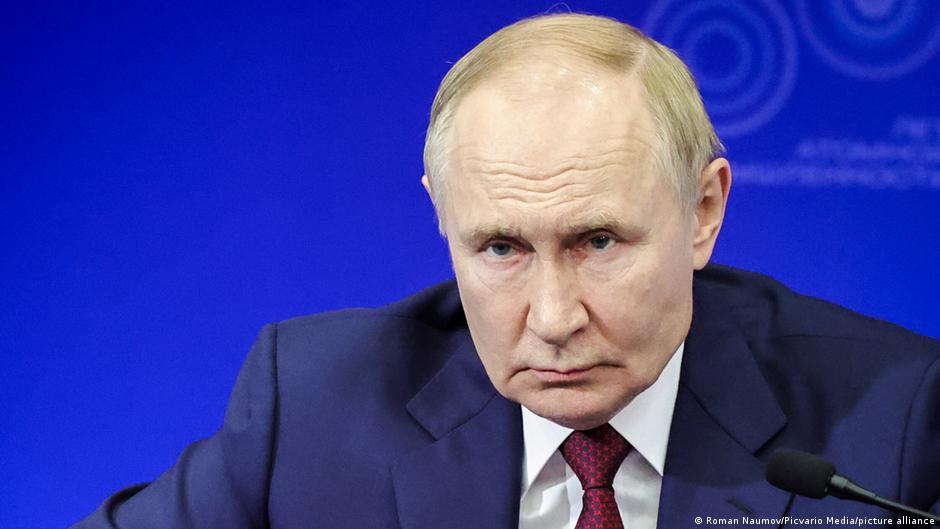
Putin used a Valdai speech to accuse the West over Ukraine, cite Russian battlefield claims and revive nuclear escalation warnings.
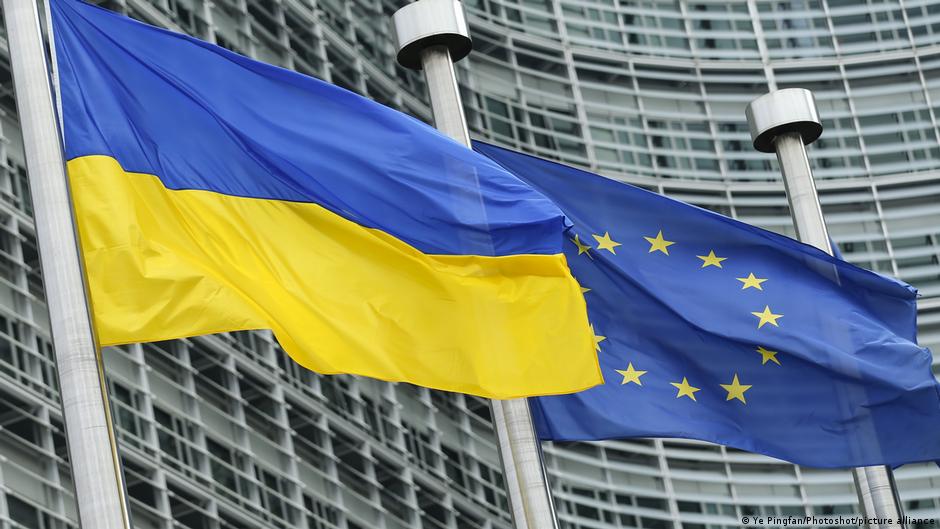
The EU declined Ukraine’s request for early access to part of a €90 billion loan, keeping attention on 2027 financing needs and donor support.
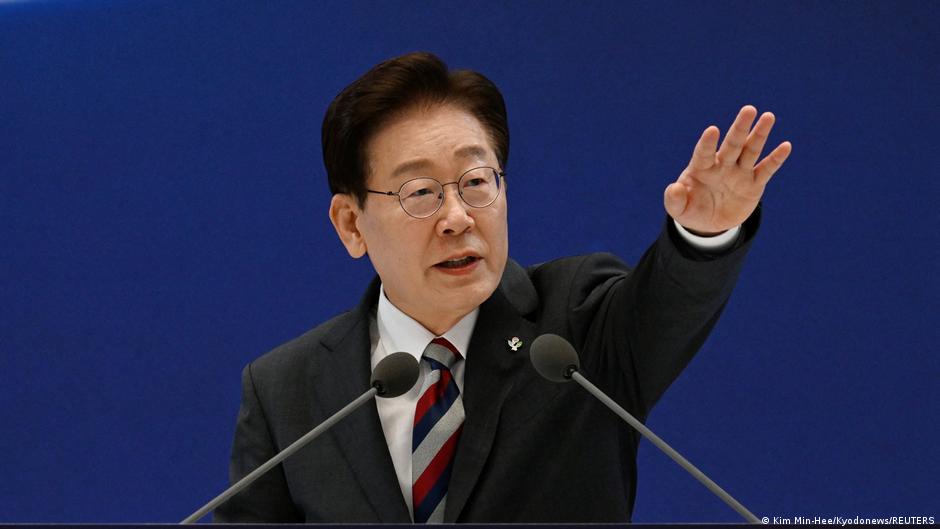
South Korea warned Ukraine of unspecified further measures unless Kyiv apologizes over a dispute involving transferred North Korean prisoners.
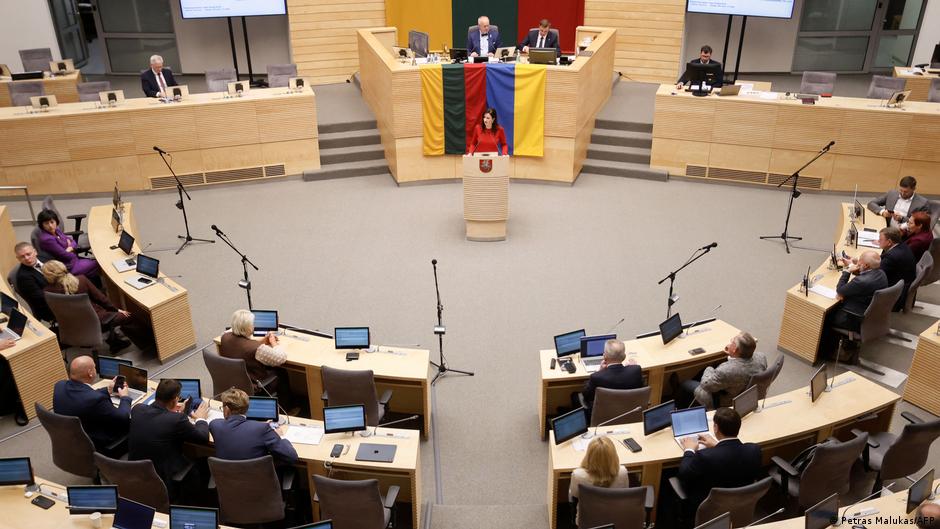
Lithuania approved draft curbs on Russian and Belarusian property purchases near strategic sites, with rules due in 2027 if passed.
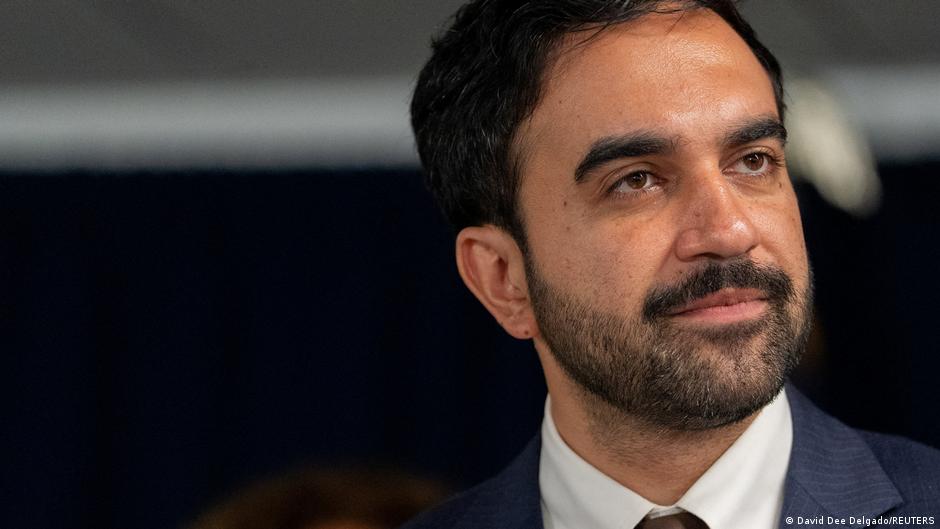
New York Mayor Zohran Mamdani proposed raising hate-crime funding to $29 million and expanding support for Jewish institutions.
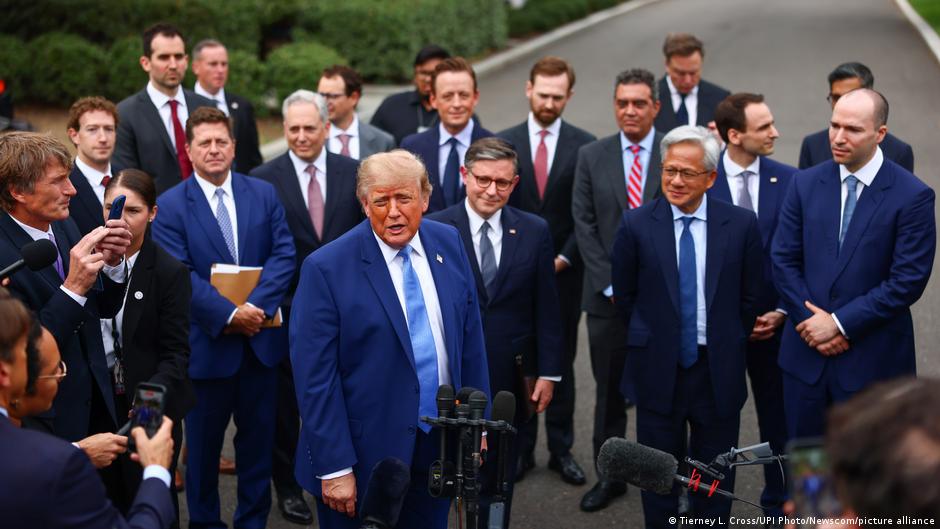
Major AI developers signed a voluntary Trump-backed agreement to monitor model risks, cooperate with auditors and shape future safety standards.
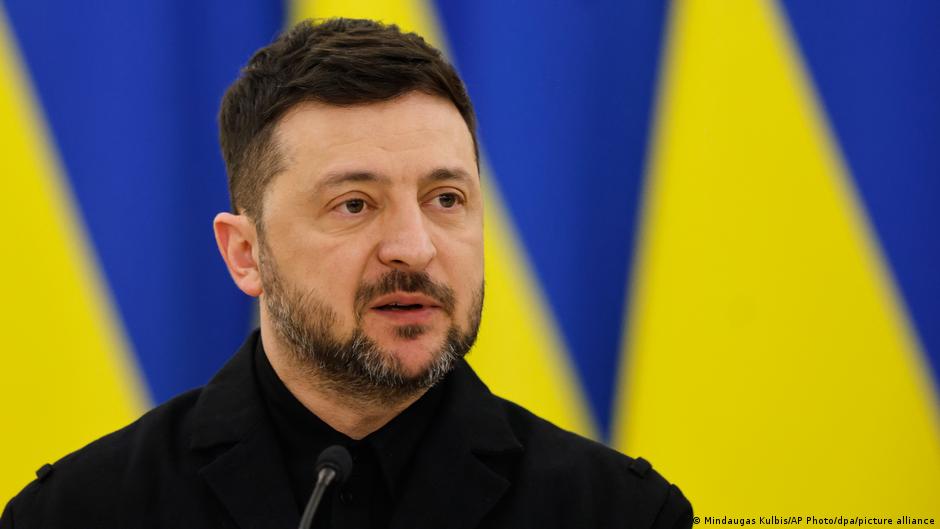
Zelensky said North Korea is preparing to send about 10,000 more troops to Russia, adding fresh geopolitical risk for markets.
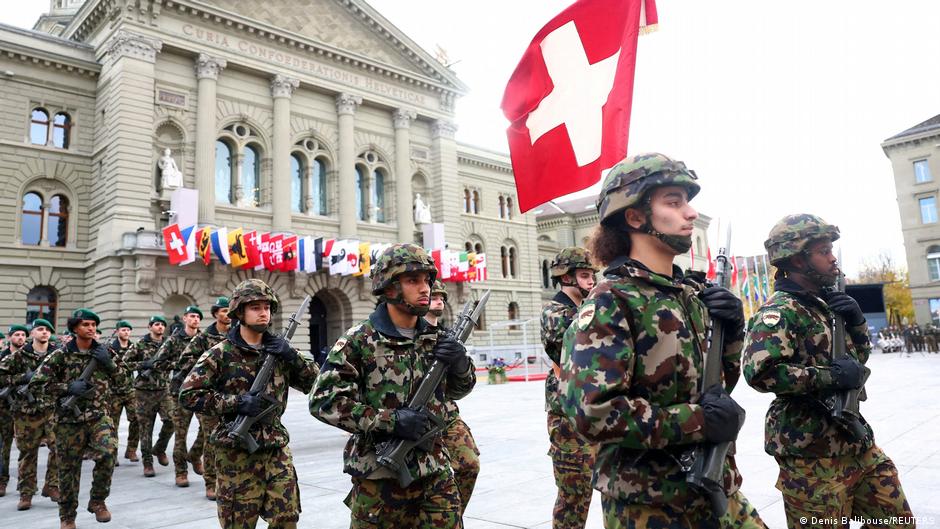
Swiss voters rejected a neutrality initiative that would have sharply limited sanctions policy, preserving flexibility on EU-aligned measures.
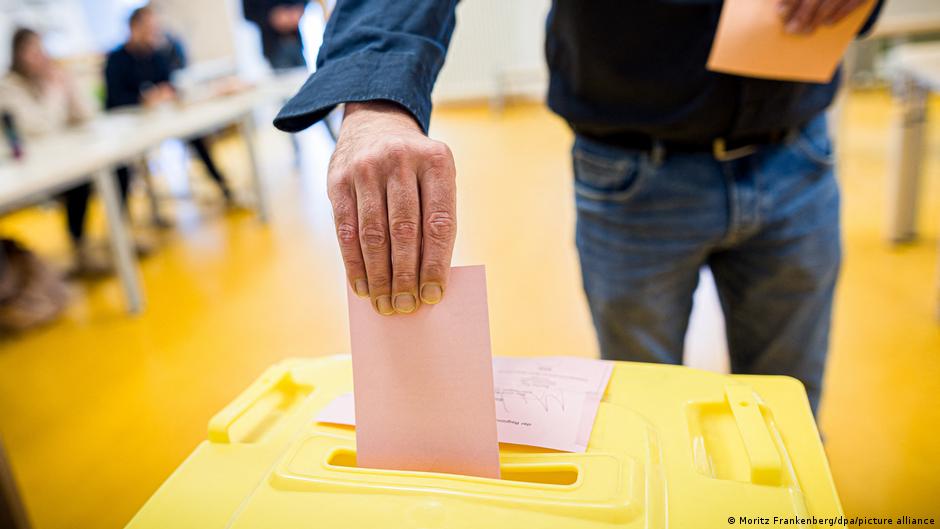
AfD lost all three Lower Saxony runoff bids, while Greens held Hanover and gained key urban wins as CDU, SPD and independents retained other posts.
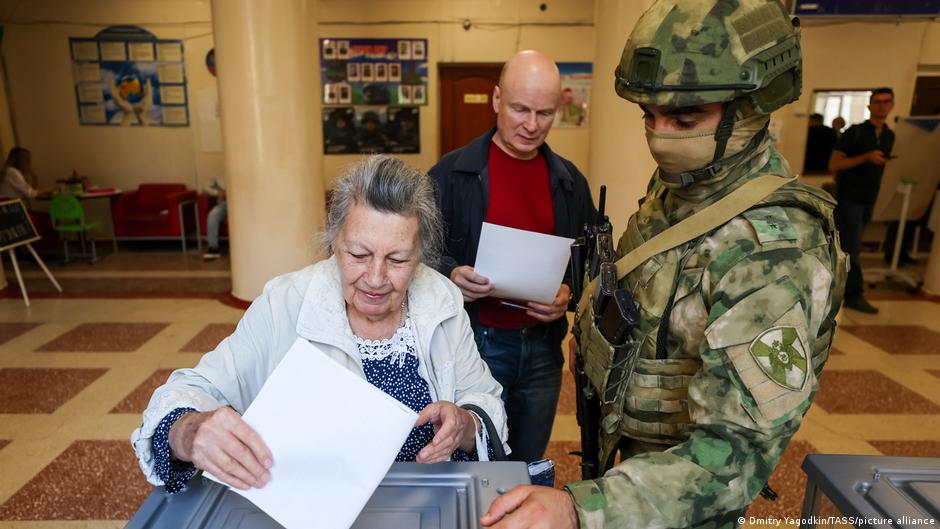
Ukraine sanctioned 44 people linked to Russian Duma voting in occupied territories, as the EU signals possible similar measures.
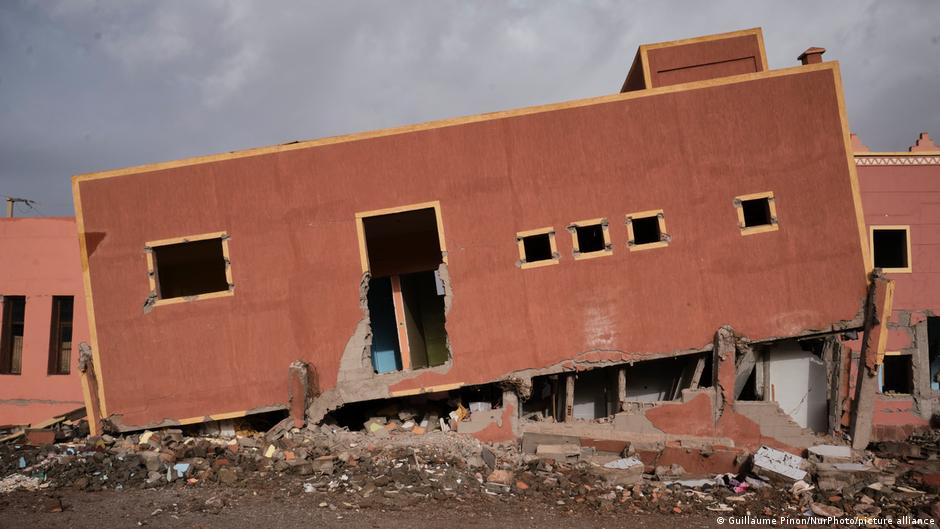
The EU will add €710 million in humanitarian aid, with major allocations for sub-Saharan Africa, Ukraine, Palestinian territories and Lebanon.
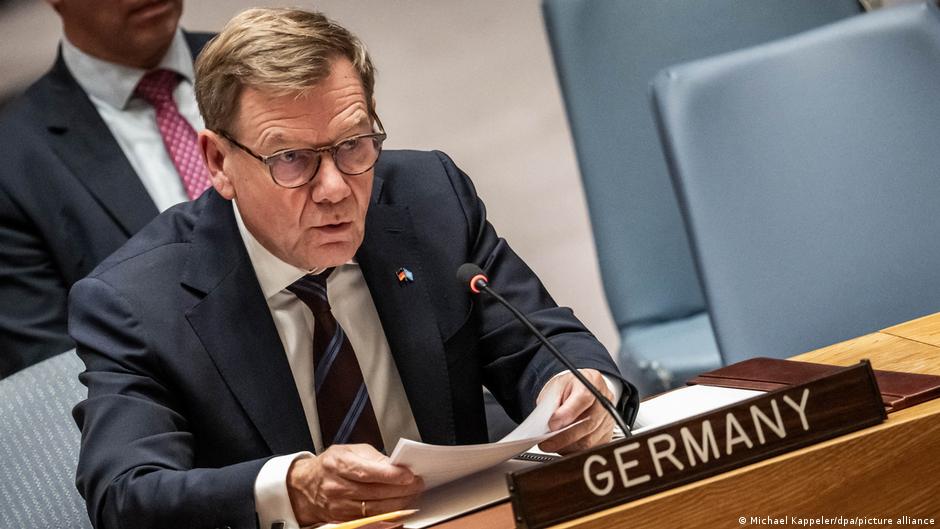
Germany says Putin’s possible G20 appearance will test Moscow’s readiness for Ukraine talks, with a ceasefire seen as the key signal.
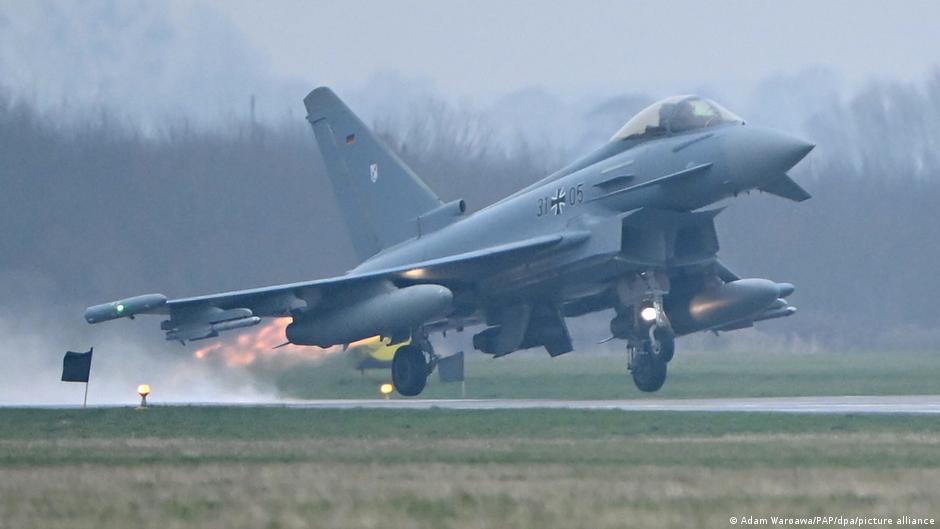
Germany deployed four Eurofighters to Latvia for NATO air-defense support during the October 3 parliamentary elections.
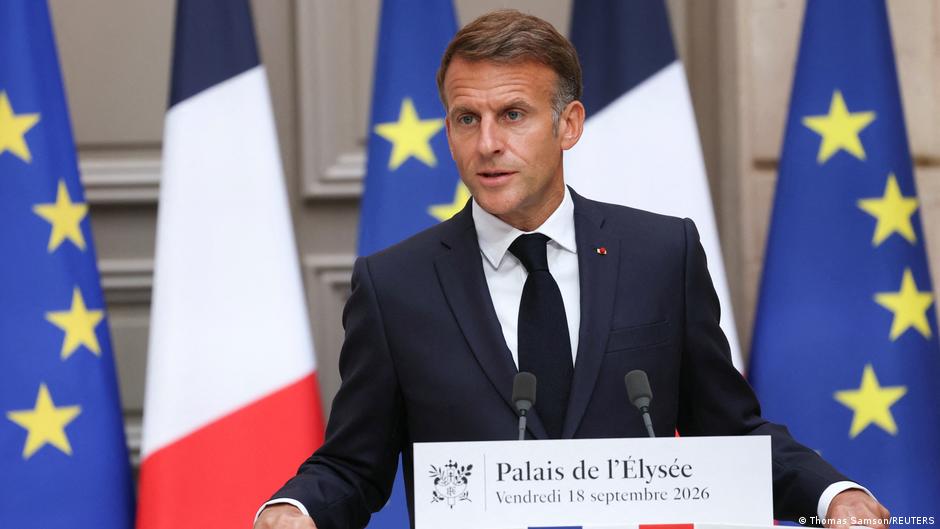
Macron said France sees a Russian mobilization of around 300,000 people as credible and warned that hostile actions across Europe have increased.
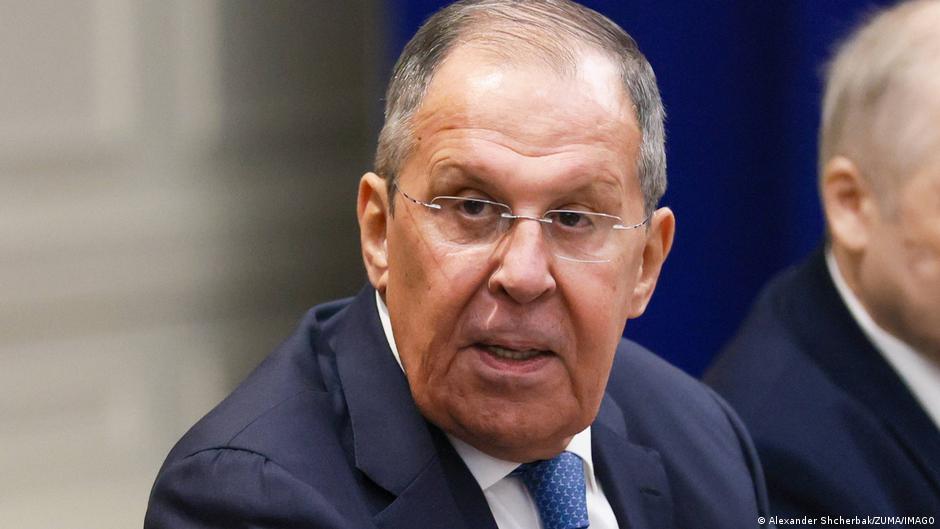
Lavrov said Russia will not pause operations for Ukraine talks, while Rubio signaled U.S. readiness to support a ceasefire effort.
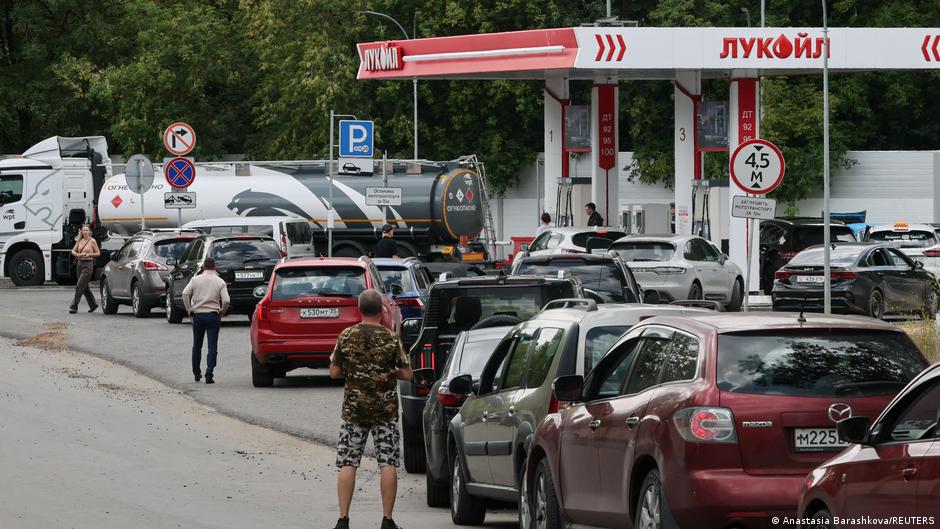
Kaluga Region and Zabaykalsky Krai are restoring gasoline-sale limits as refinery attacks and logistics disruptions tighten Russian fuel supply.
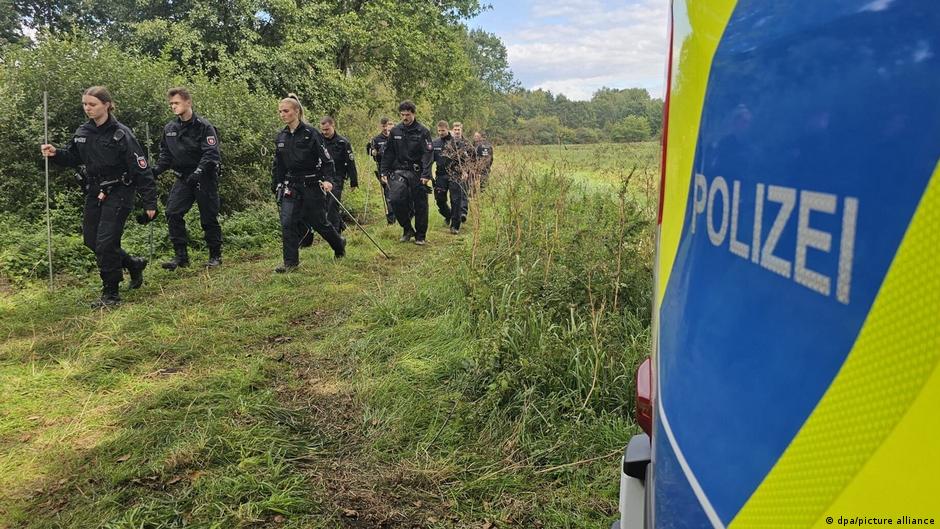
German investigators are testing suspected explosive material found near drone wreckage close to the Bundeswehr’s Wunstorf air base.
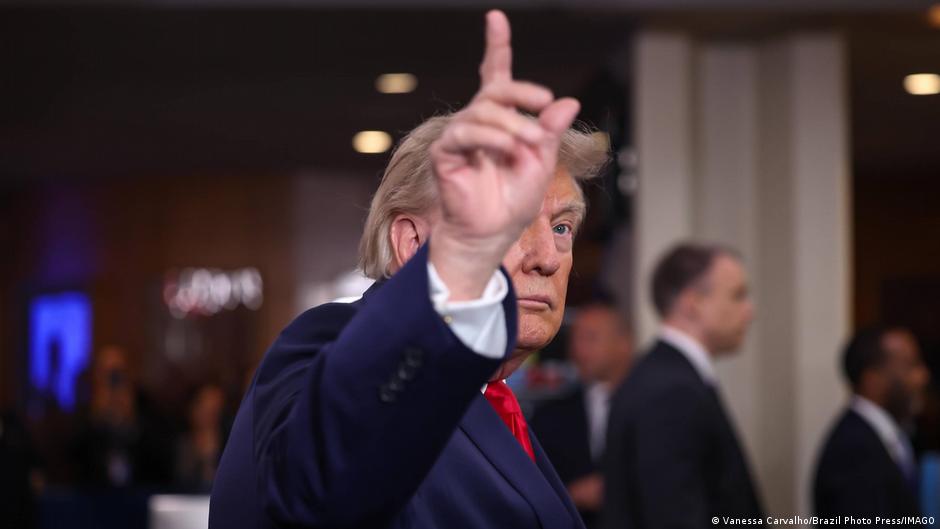
U.S. and Iranian officials held indirect UN talks for about three hours after Trump threatened Tehran, putting Gulf risk and Hormuz back in focus.
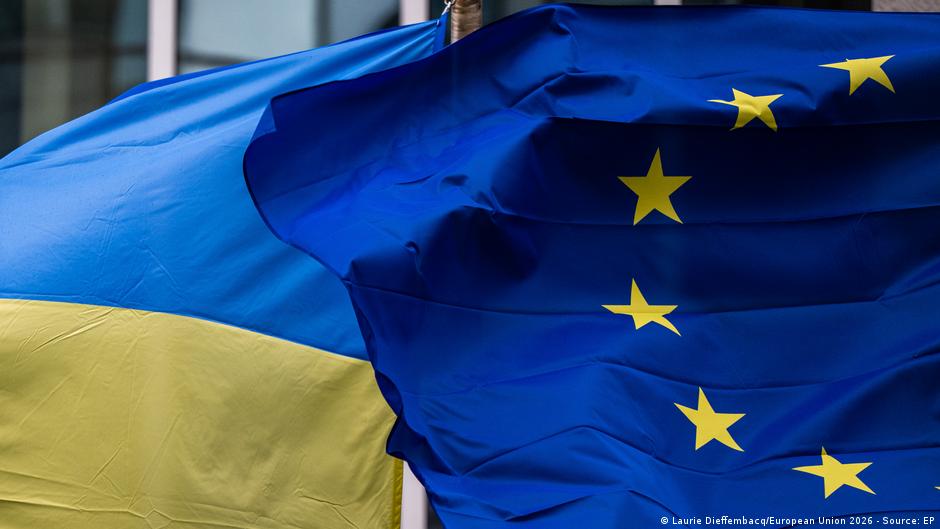
Kaja Kallas urged EU ambassadors to extend Russia sanctions as disputes over Usmanov and Fridman pushed talks toward a September 22 deadline.
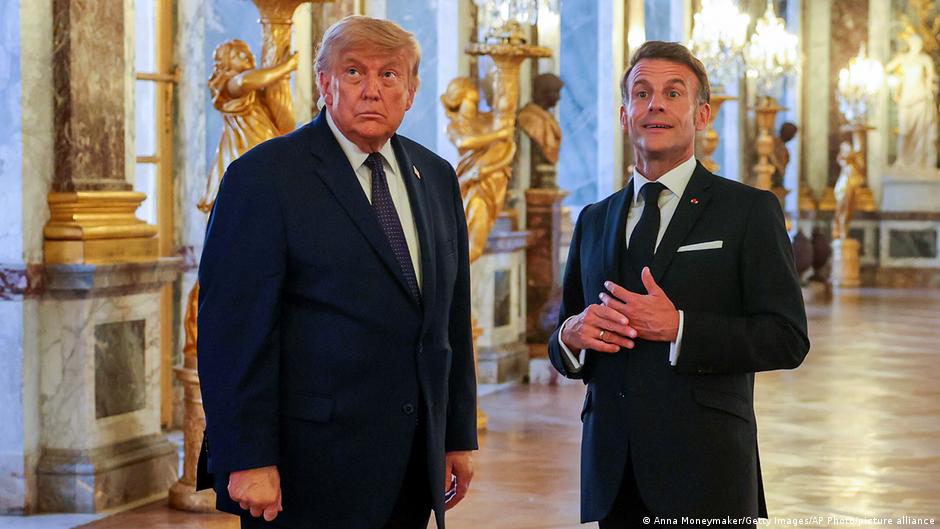
Macron said France and the U.S. will seek a moratorium on strikes against Ukraine’s energy and civilian infrastructure while backing more air-defense support.

Berlin’s Left Party won 25.7% in preliminary results, putting housing policy and coalition risk back in focus for markets.
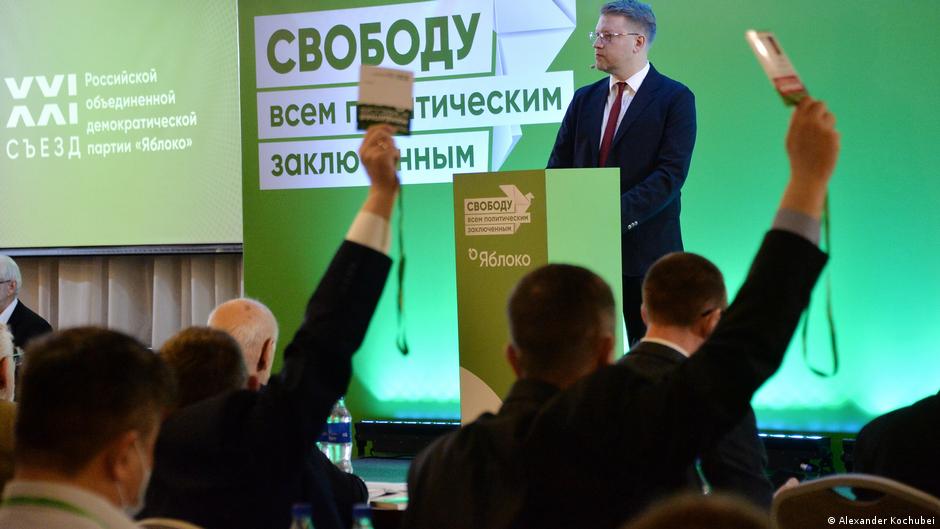
Yabloko’s 6.2% Novgorod result clears the regional threshold and may preserve its access to future State Duma elections without signatures.
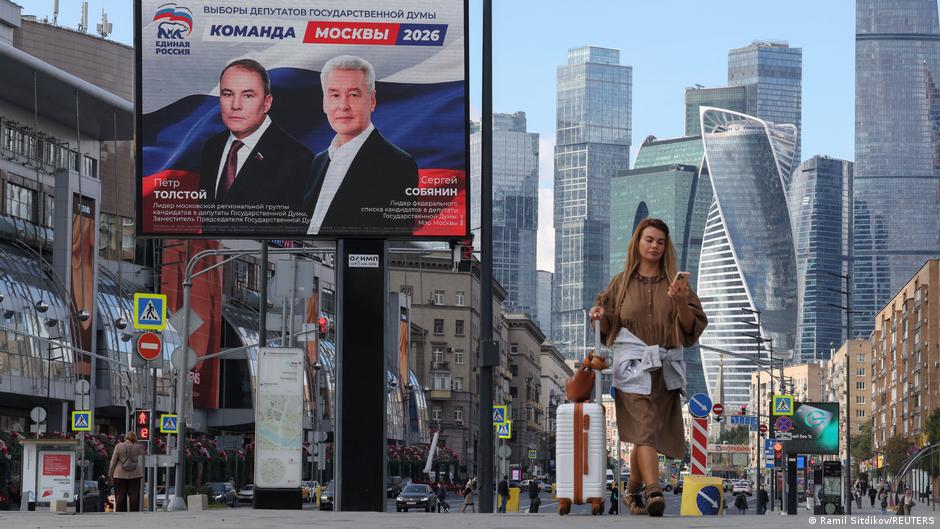
United Russia leads Russia’s Duma vote with 57.76% after 82.19% of protocols counted, signaling continued policy control.