Lavrov Rules Out Ukraine Talks Pause as Markets Track UN Diplomacy
Russia’s foreign minister said Moscow would not halt operations for negotiations, while the United States signaled readiness to support a ceasefire effort.
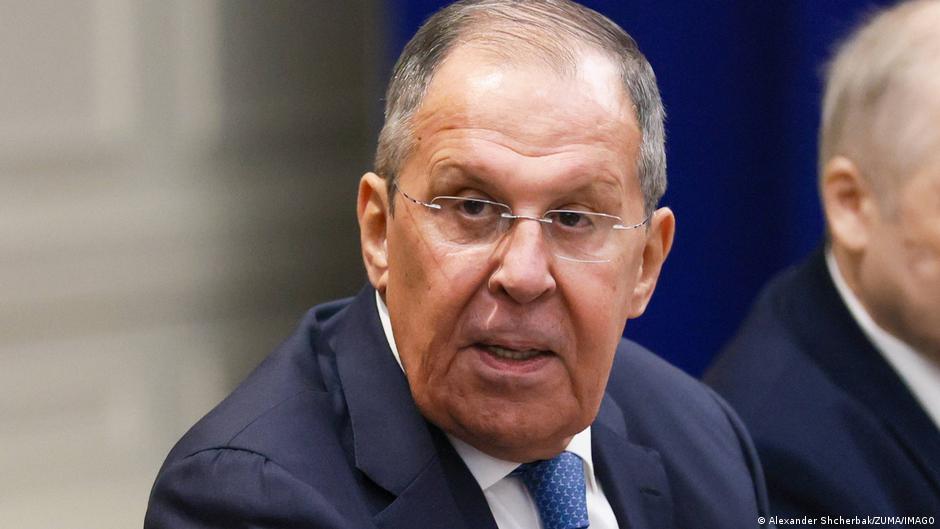
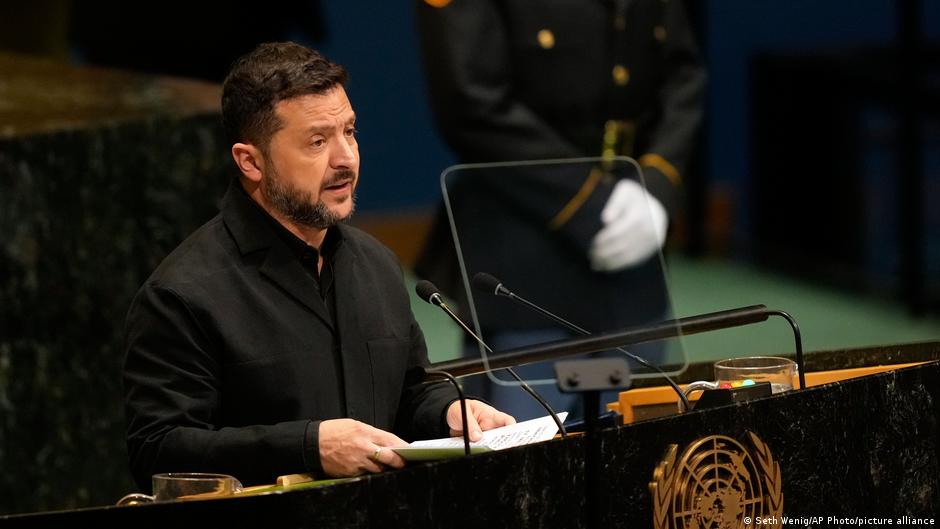
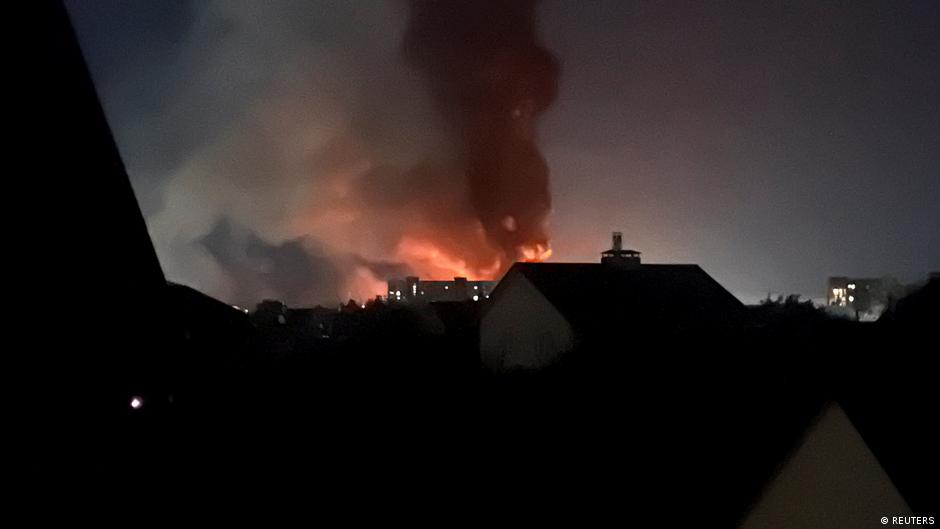
Russia will not make a “pause” for negotiations with Ukraine in any format, Foreign Minister Sergei Lavrov said on Wednesday, Sept. 23, in remarks at a meeting of the United Nations Security Council in New York. The statement came as diplomats gathered during the UN General Assembly and as Moscow continued strikes on Kyiv, keeping geopolitical risk firmly in view for investors tracking the war’s impact on global markets.
For market participants, the remarks offered little sign of an immediate de-escalation channel that could reduce the conflict premium embedded across energy, defense, shipping, agriculture and emerging-market risk. The source material did not provide live pricing, trading volumes or asset-class moves, but Lavrov’s comments underscored the kind of headline risk that can quickly affect sector rotation and cross-asset positioning when negotiations, ceasefire prospects or battlefield developments shift.
Lavrov said Russia was ready for negotiations aimed at achieving what he described as a “sustainable just peace.” At the same time, he rejected the idea that Moscow would stop military activity to create space for talks. According to the Russian Foreign Ministry’s account, Lavrov framed European calls for a pause as an attempt to give Kyiv time to recover.
“Although Europe wants exactly this, all with the same simple goal: to get a respite and replenish the depleted military arsenals of the Kyiv regime,” Lavrov was quoted as saying by the Russian Foreign Ministry.
The wording matters for markets because ceasefire expectations often move ahead of formal agreements. Traders tend to react not only to signed deals, but also to changes in tone among key officials, signs of diplomatic sequencing and indications that military pressure may ease or intensify. Lavrov’s statement suggested that, from Moscow’s position, negotiations and continued military operations are not mutually exclusive.
UN Diplomacy Meets Market Headline Risk
Lavrov’s remarks followed a meeting with U.S. Secretary of State Marco Rubio in New York, where the UN General Assembly was taking place. The talks lasted about an hour, according to Interfax. It was the fifth meeting between the heads of the two countries’ foreign ministries since 2025, a detail that points to continued communication between Washington and Moscow even as the war remains unresolved.
Rubio, speaking at the UN General Assembly in New York, again assured that Washington was prepared to play a constructive role in achieving a ceasefire. That message gives investors a diplomatic counterweight to Lavrov’s refusal to pause operations. The result is a familiar two-sided market narrative: persistent military escalation risk on one side, and ongoing U.S.-Russia diplomatic contact on the other.
For real-time market intelligence desks, such signals are relevant because they can shape expectations across multiple sectors without immediately changing fundamentals. Energy markets may watch for any implication for Russian supply, sanctions policy or infrastructure risk. Defense shares can be sensitive to language around replenishing arsenals and sustained military commitments. Agricultural and freight markets remain attentive to Black Sea security, export routes and insurance costs, even when a given diplomatic headline does not include new operational details.
The source article did not report any immediate market reaction, asset prices or trading volumes tied to the statements. Still, the timing of the remarks during the UN General Assembly means the headlines land in a setting where investors are already monitoring speeches, bilateral meetings and official comments for shifts in policy direction.
G20 Invitation Adds Another Diplomatic Variable
Rubio had earlier said the United States invited Russian President Vladimir Putin to take part in the G20 summit scheduled for December in Miami. He said that solving problems requires meeting with people with whom there are disagreements or certain tensions, and that this was why Putin had been invited to the summit.
Rubio also said the Miami summit could offer the Russian leader an opportunity to meet U.S. President Donald Trump and other world leaders. “We hope he accepts this invitation,” Rubio added.
That invitation introduces another date for investors to watch. A potential Putin appearance at the December G20 summit in Miami, and any possible meeting with Trump or other leaders, could become a major event risk for markets if expectations build around sanctions, ceasefire diplomacy, energy policy or broader geopolitical alignment. At this stage, however, the article reported only the invitation and Rubio’s hope that Putin would accept it. It did not state that Putin had agreed to attend.
The immediate signal from Lavrov remained firm: Russia does not intend to stop its campaign in order to hold talks with Kyiv. Moscow’s stated readiness for negotiations is therefore paired with a rejection of a negotiating pause, while Washington continues to position itself as willing to help secure a ceasefire.
For investors, the practical read-through is that diplomacy remains active but unresolved, and the path to de-escalation remains uncertain. In the absence of confirmed ceasefire terms or a change in military posture, markets are likely to keep treating Ukraine-related headlines as event-driven risk rather than as evidence of a durable settlement. The combination of continued strikes on Kyiv, high-level U.S.-Russia meetings and a possible G20 encounter creates a dense calendar of geopolitical signals that can influence risk appetite even before formal policy changes occur.