Zelensky Says Putin Is Spreading War Risk as Energy Stakes Intensify
Ukraine’s president used the UN General Assembly to frame Russia’s war financing and energy infrastructure as central risks for markets and security.
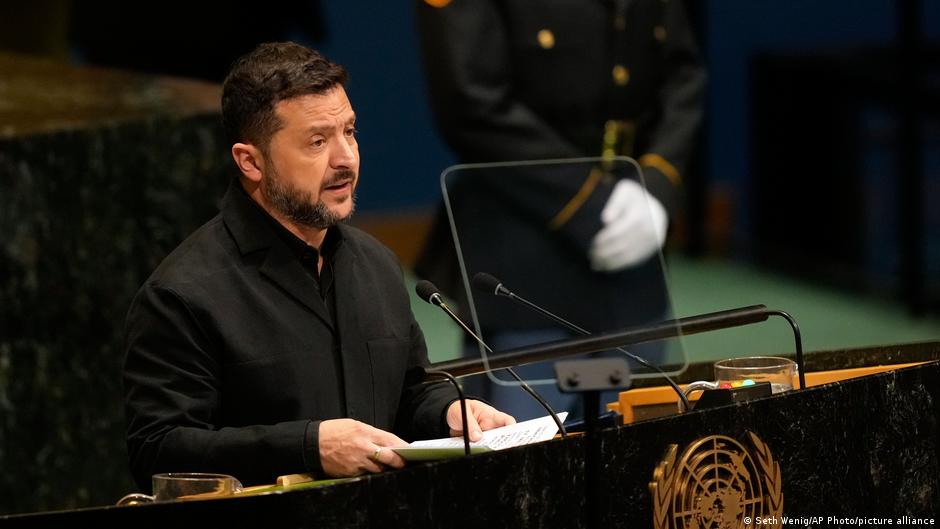
Ukrainian President Volodymyr Zelensky used an address to the UN General Assembly in New York on Wednesday, September 23, to cast Russian President Vladimir Putin as the origin point of a spreading global war risk, while linking the conflict’s next phase to energy markets, infrastructure and the financing capacity of the Russian state.
Zelensky described Putin as a “patient zero” from whom the idea of war is spreading around the world. Wherever that idea travels, he said, it brings “only pain, instability, new risks and, of course, new crises.” His remarks came as the war’s impact on energy assets, fuel supply chains and government revenues remains a central concern for investors tracking geopolitical risk.
“He must not be allowed to act and must not be given the opportunity to spread this evil further,” Zelensky said, referring to Putin.
The Ukrainian leader argued that Russia’s oil industry, which he described as a source of national pride, is for the first time in the country’s history operating “on its last legs.” He said it was difficult to imagine a more humiliating defeat for a country with a permanent seat on the UN Security Council and one that takes such pride in its oil exports.
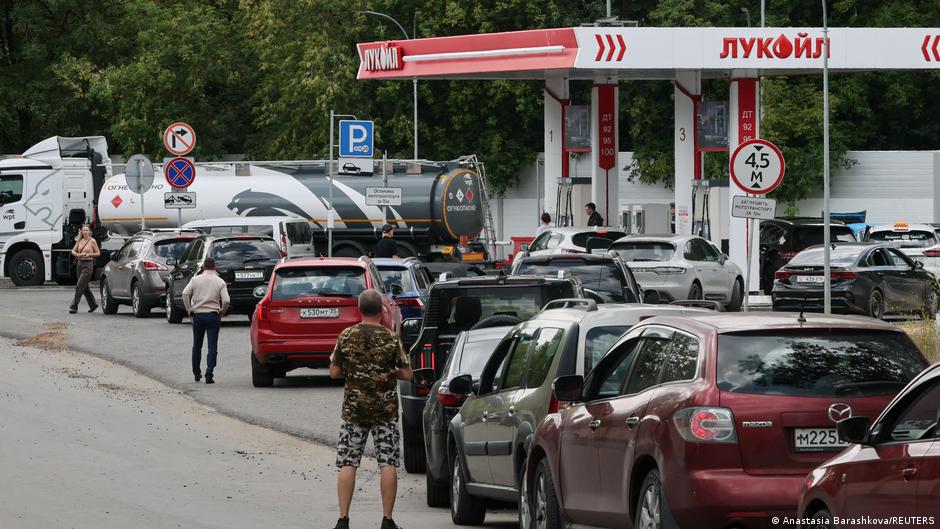
Zelensky stressed that oil itself is not Ukraine’s target, nor are gasoline, diesel fuel, refineries or ports as ends in themselves. The objective, he said, is Russia’s ability to finance and prolong the war. That framing puts the conflict squarely within the market logic of revenue pressure, energy-sector vulnerability and the strategic use of strikes to alter the economic capacity behind military operations.
Energy Infrastructure Moves Back Into Focus
Zelensky warned that if Russia continues attacking Ukraine’s power grid and heating infrastructure, Kyiv will try to ensure that Russia’s “General Frost” changes sides this winter. The phrase pointed to the possibility of retaliatory strikes, underscoring how winter energy security could again become a decisive front in the war.
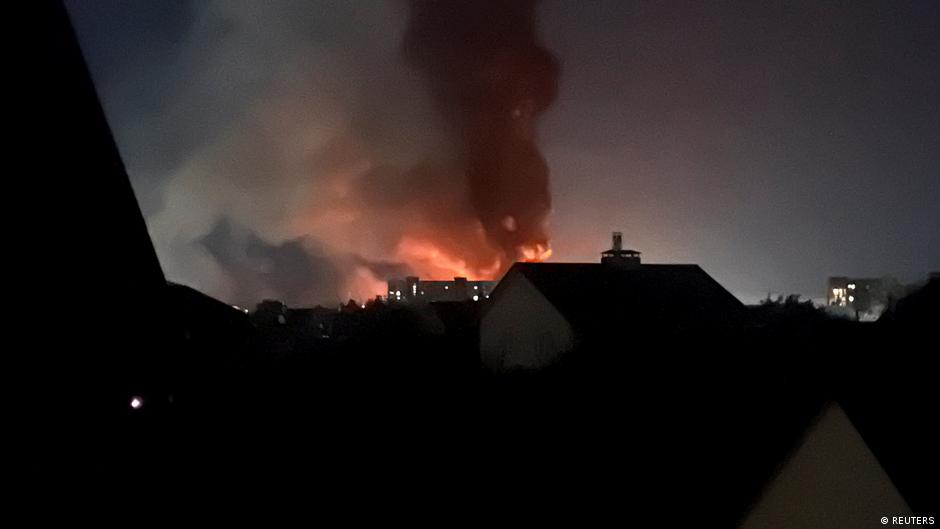
For markets, the comments highlight the risk that energy infrastructure could remain a recurring source of volatility. Any further escalation involving power generation, heating systems, refineries, ports or fuel logistics would be watched closely by traders, particularly in oil, refined products, shipping and regional power markets. Zelensky did not present oil, gasoline, diesel, plants or ports as targets for their own sake, but he made clear that Russia’s war-financing capacity is a strategic focus.
The address also came against the backdrop of intensifying Russian strikes. According to an analysis by AFP, the first 18 days of September saw the highest number of Russian strikes recorded for any full month since the beginning of the war in Ukraine, with the exception of March 2022. That acceleration reinforces the market relevance of the conflict, as strike frequency can influence expectations for infrastructure damage, repair costs, insurance risk and supply disruption.
Zelensky also cited heavy Russian battlefield losses, saying that from January through August, Russia’s armed forces lost 248,964 people on the battlefield in Ukraine. “Putin pays 248 people for every kilometer. Does anyone still consider him reasonable?” he asked. He added that citizens of 47 other countries are fighting on the side of the Russian army and are also dying on the battlefield.
AI Warning Adds Strategic Uncertainty
Beyond the immediate military and energy picture, Zelensky warned that as early as next year there is a real probability that battlefield decisions could begin to be made by artificial intelligence, not only by humans. He said peace is needed before that point is reached.
The warning adds another layer of uncertainty for governments, defense firms and investors watching the rapid evolution of military technology. Zelensky did not offer figures or operational details, but his comments placed artificial intelligence alongside energy infrastructure and battlefield attrition as a major risk factor in the conflict’s future path.
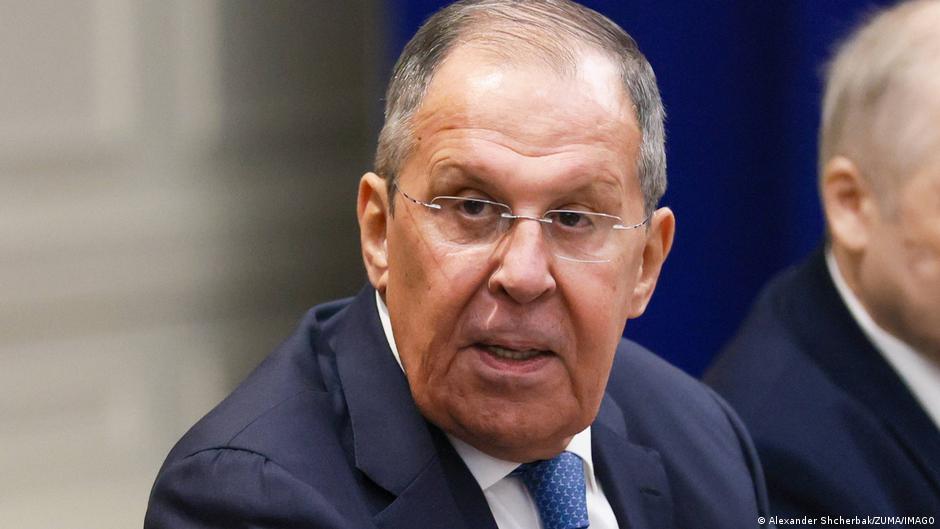
Russia signaled no near-term de-escalation. Russian Foreign Minister Sergei Lavrov told the UN Security Council that there would be no “pause” in the fighting. That statement, paired with Zelensky’s warnings over energy attacks and possible responses, suggests the conflict remains firmly in an escalation-prone phase with direct implications for commodity markets, defense spending and geopolitical risk premiums.
For market participants, the address was less a diplomatic appeal than a risk map: oil revenues, power infrastructure, winter heating, military attrition and emerging technologies all remain tied to the war’s trajectory. Zelensky’s central message was that Russia’s ability to finance and extend the war is the core pressure point, and that the consequences of continued escalation will not remain confined to the battlefield.