Russian Regions Reinstate Gasoline Curbs as Refinery Attacks Disrupt Supply
Kaluga Region and Zabaykalsky Krai are reintroducing fuel-sale limits as refinery outages and logistics strains deepen Russia’s gasoline shortage.
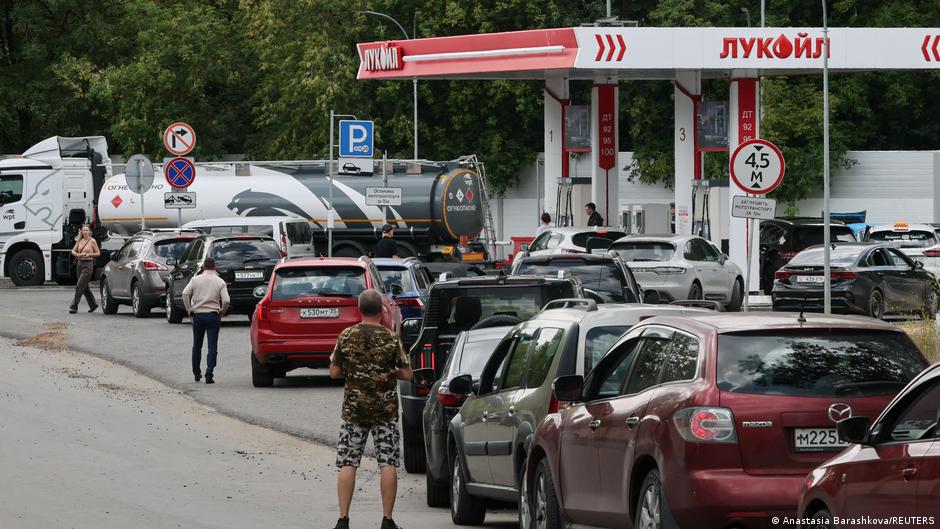
Authorities in Russia’s Kaluga Region and Zabaykalsky Krai are again imposing restrictions on gasoline sales, a sign that pressure on the country’s fuel market is returning after a brief easing earlier this summer. The measures come as Ukrainian attacks on Russian oil refineries have intensified, disrupting production and leaving regional fuel networks exposed to shortages, queues and tighter rationing.
In Kaluga Region, which borders Moscow and the Moscow Region, gasoline sales restrictions are being restored from September 23, Governor Vladislav Shapsha said on Tuesday, September 22. Drivers will be allowed to refuel on alternating even and odd days, determined by the first digit of their vehicle registration number. Fuel may be dispensed only into a vehicle’s tank, limiting purchases into canisters or other containers.
For fuel traders, filling-station operators and logistics firms, the return of the “even-odd” system points to renewed stress in the downstream market rather than a purely local supply issue. Kaluga had already introduced similar restrictions on August 15 before lifting them on September 1, making the latest move a reversal after less than a month.
“We are now recording local logistics disruptions in fuel deliveries to individual filling stations. Queues have returned. This is causing justified dissatisfaction,” Shapsha wrote on his Telegram channel.
Regional Limits Signal Tightening Fuel Balance
Zabaykalsky Krai’s operational headquarters also announced new limits from September 23. Filling-station networks BRK and Kors will cap sales of AI-92 and AI-95 gasoline at 15 liters per vehicle. Buyanto Batomunkuev, the region’s first deputy prime minister, said the restrictions were needed because total remaining fuel stocks at filling stations and oil depots stood at 17,000 tons, enough for only 20 days at the current rate of sales.
The region had introduced comparable limits in June before lifting them on July 23. Their return underscores how quickly regional inventories can come under pressure when refinery output, deliveries or consumer behavior shift. In market terms, the policy response suggests that local authorities and retail networks are trying to slow demand and extend available inventories while supply chains adjust.
Although the restrictions are local, they sit within a broader national pattern. Fuel-sale limits, introduced either by regional authorities or by filling-station chains themselves, were imposed during the summer across almost all Russian regions, as well as in annexed Crimea. The scale of the disruptions was significant enough that Russian President Vladimir Putin ordered systemic measures on June 28 to stabilize the market.
The latest restrictions also matter because they are being applied in different geographies at the same time: Kaluga near Russia’s central economic hub, and Zabaykalsky Krai in the east, where long-distance logistics and inventory buffers are especially important. That spread gives the market a signal that supply disruptions are not confined to a single route or retail network.
Refinery Disruptions Drive Market Strain
The gasoline shortage emerged after Ukrainian drone attacks on Russian refineries. Ukraine has been defending itself for more than four years against Russia’s military invasion. Strikes and fires at refineries forced some facilities to cut production or halt operations entirely. Restrictions were later lifted, but from the beginning of August Ukrainian attacks on refineries intensified again, triggering what the source describes as a second wave of Russia’s fuel crisis.
For energy markets, the key pressure point is the interaction between refinery availability, regional distribution and consumer demand. Even when national crude supply remains large, damage or shutdowns at refining assets can sharply reduce the availability of finished products such as gasoline. That creates a different kind of bottleneck: not necessarily a shortage of oil, but a shortage of processed fuel in the right place at the right time.
The Kaluga measures specifically cite local logistics failures affecting deliveries to some filling stations. In retail fuel markets, such disruptions can quickly become self-reinforcing. Queues encourage drivers to top up earlier or buy more aggressively, accelerating drawdowns at stations that are still supplied. Restrictions on purchase timing and container filling are designed to prevent that demand surge from worsening shortages.
In Zabaykalsky Krai, the 15-liter cap on AI-92 and AI-95 gasoline indicates that retail networks are rationing the most commonly used motor fuels. The disclosed stock figure of 17,000 tons, paired with the warning that this would last 20 days at the current pace, gives a rare numerical snapshot of regional inventory pressure. It also suggests that without slower offtake or improved supply, the local market could face deeper interruptions within weeks.
By mid-September, Russia’s gasoline deficit had worsened, with fuel absent from almost every second filling station, according to Novaya Gazeta Europe, citing data from the gdebenzin service. That report frames the latest regional restrictions not as isolated emergency management, but as part of a national shortage that has already affected availability at a large share of retail outlets.
The renewed curbs are likely to keep attention on Russia’s refining network, fuel logistics and regional inventories. For market participants, the immediate indicators to watch are the number of regions reinstating limits, the duration of the Kaluga even-odd system, whether other chains adopt liter caps similar to those in Zabaykalsky Krai, and whether refinery operations recover enough to ease pressure on retail supply.