Macron Says Russia Mobilization Scenario Is Credible as Europe Tracks Risk
France’s president said Moscow could call up around 300,000 people, while warning that hybrid threats across Europe have intensified.
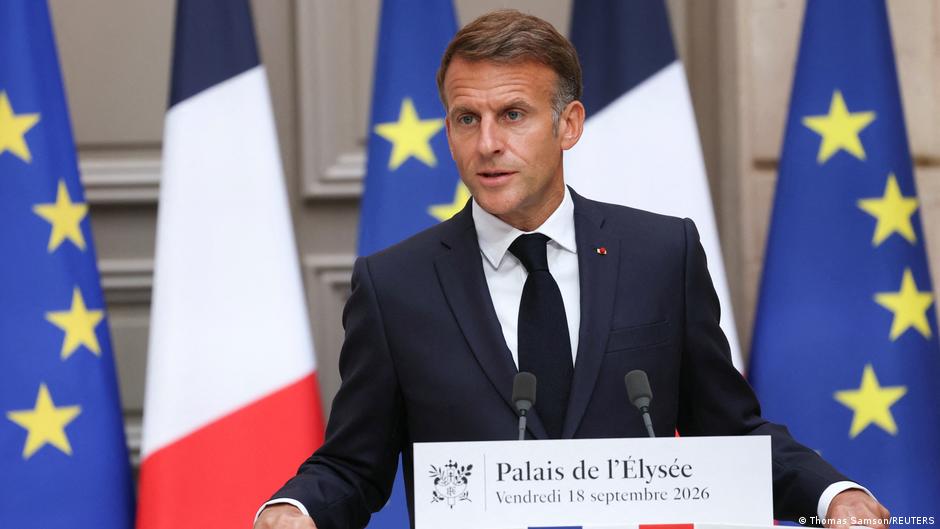
French President Emmanuel Macron said France views as credible a scenario in which Moscow could mobilize around 300,000 people, a statement likely to sharpen real-time market attention on European defense exposure, energy infrastructure risk and broader geopolitical risk premia.
Speaking on Thursday, September 24, on TF1 and France 2, Macron said Russia had appeared to be waiting for its elections to pass before moving. He referred to the September 18-20 State Duma vote and said that, after the elections, it was now clear in France’s assessment that Russia would proceed. Macron added that it remained uncertain whether any mobilization would be publicly announced or carried out in a more concealed way.
“It is a scenario that seems credible to us,” Macron said, commenting on intelligence from the United States, Europe and Ukraine.
For markets, the comments matter because mobilization expectations can affect investor positioning across several sensitive areas at once: European equities exposed to defense and security spending, energy assets linked to Russian supply and infrastructure security, cyber-risk pricing, and currencies exposed to shifts in regional risk appetite. Macron did not provide a market forecast, but his remarks placed the security backdrop firmly back into the foreground for traders monitoring Europe’s geopolitical calendar.
Hybrid Threats Move Into Market Focus
Macron also warned that “hostile actions across Europe have increased” in recent weeks. He said that last week he convened representatives of political forces to alert them to the evolution of the threat and to its consequences for France domestically.
According to Macron, Russia regards Europe as Ukraine’s “strategic rear” because Europeans are helping Ukrainians and because Kyiv is striking oil refineries and other facilities in Russia in an effort to force Moscow to end the war. As a result, he said, Europe could become a target.
The president described attacks taking place in the information sphere through the spread of falsehoods and in cyberspace. That framing is important for investors because the market impact of hybrid activity is often indirect and uneven: it can show up through disruptions to infrastructure operators, repricing of insurance and security costs, volatility in energy-linked assets, or pressure on companies and public agencies exposed to cyber incidents.
Macron’s remarks follow his September 18 statement that France was preparing a plan to protect critical infrastructure against the rising threat of hybrid attacks from Russia. That earlier message had already pointed to a more defensive posture by Paris around infrastructure resilience, a theme that can feed into public spending decisions and sector rotation toward security, defense, cybersecurity and infrastructure-protection names.
Europe Weighs Wider Security Signals
The French president said there had been several signs suggesting that Russia was preparing for the kind of step now being discussed. He linked the assessment to intelligence from the United States, Europe and Ukraine, while stressing uncertainty over the form any mobilization could take.
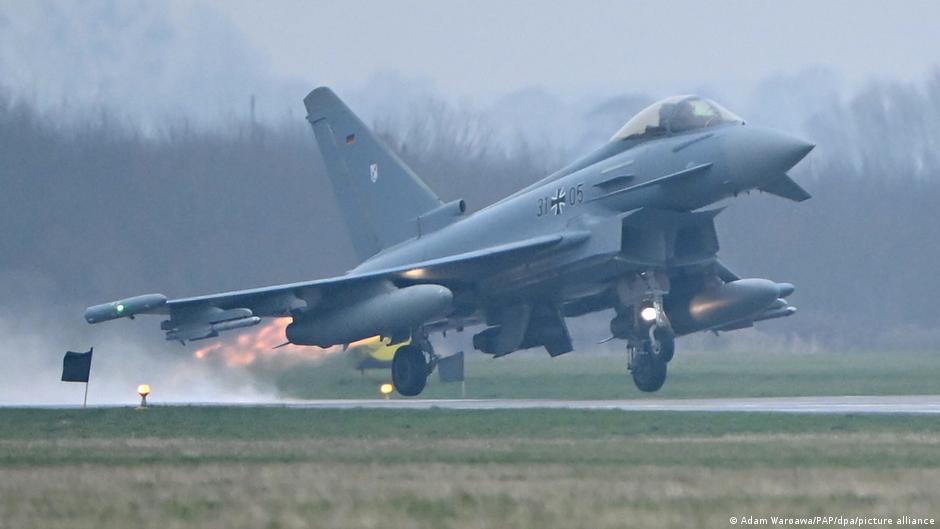
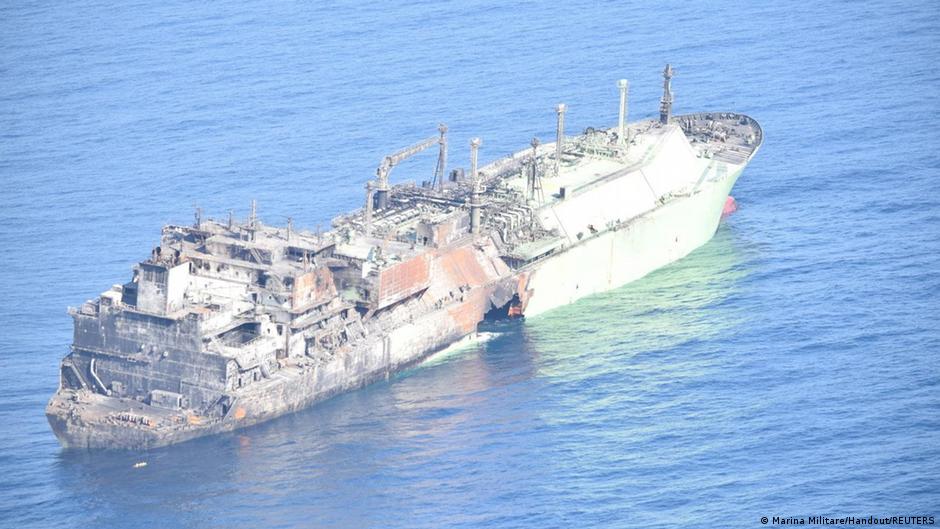
The broader European security picture described in the source has also shifted. Russia had previously been accused of interfering in elections and using migrants as an instrument of pressure against Europe. Now, European intelligence services suspect a Russian connection in acts of sabotage, arson, attacks on critical infrastructure and violations of airspace.
Sources cited in the original report said many incidents, particularly cyberattacks and hacks, are not made public. As a result, they said, the scale of Russia’s hybrid attacks is significantly larger than what is visible through public reporting.
That opacity is itself a market issue. Publicly traded companies and investors often respond only after a disruption becomes visible, but officials may be monitoring a larger threat environment in real time. In practical terms, that can mean sudden moves around confirmed incidents, abrupt policy announcements, or fresh spending commitments once governments decide that private warnings are no longer sufficient.
Macron’s emphasis on Europe as a potential target adds another layer to risk pricing around the war in Ukraine. The comments do not by themselves confirm a mobilization order, nor do they establish whether a call-up would be openly declared. They do, however, show that France considers the scenario plausible and is preparing politically and operationally for a more active hybrid threat environment.
For market participants, the immediate signal is that geopolitical risk around Russia and Europe remains live rather than static. The potential call-up of around 300,000 people, the warning about hostile activity across Europe, and the focus on critical infrastructure protection all point to a security backdrop that could keep defense, cyber, energy and infrastructure-linked assets in focus.
The next tradable developments would likely include any formal or informal steps by Moscow, additional European government warnings, public confirmation of cyber or infrastructure incidents, and policy measures from France or other European states aimed at protecting critical assets. Until then, Macron’s comments provide a high-level intelligence signal from one of Europe’s largest economies at a moment when investors are already alert to geopolitical shocks.