Russian-Flag Ship Register Jumps 36% as Shadow Fleet Faces Pressure
A CREA analysis says 107 vessels entered Russia’s flag registry from January 2025 to June 2026 as sanctions scrutiny reshaped tanker routing.
Russia’s ship registry expanded by 36% between January 2025 and June 2026 as diplomatic pressure on the country’s so-called shadow fleet forced sanctioned vessels to choose between higher detention risk and a move under the Russian flag, according to an analysis by the Centre for Research on Energy and Clean Air published on Friday, September 25.
The report points to a significant shift in the operating structure of vessels moving Russian oil, fuel and liquefied natural gas through global trade lanes. Over the period reviewed, 107 ships were added to the Russian-flag register. The sharpest monthly increase came in December 2025, when 25 new entries were recorded.
For energy markets, the registry data offers a real-time signal of how sanctions pressure is affecting physical flows rather than headline export volumes alone. CREA said the numbers reflect a change in the behavior of open registries, which have become less willing to permit sanctioned cargoes to move on shadow-fleet vessels.
Flag Shifts Become a Market Signal
The movement of vessels into the Russian registry follows action by several flag states and ship registries to reduce their exposure to sanctioned tonnage. Barbados and Palau fully cleared their registries of vessels under sanctions, according to CREA. Panama cut the number of such vessels by nearly two-thirds from its May 2025 peak.
The world’s largest ship registries have also launched a shared database, known as RISC, aimed at countering reflagging and other methods used to bypass restrictions. The coordinated approach has narrowed the operational options available to ships carrying sanctioned cargoes.
As a result, CREA said the shadow fleet is being pushed toward a more visible set of choices: sail under false flags and face detention risk, enter the Russian registry, move to smaller alternative registries, or continue operating without a recognized flag. By June, 46 ships that had previously sailed under the flags of the Comoros or Gambia had been registered in Russia.
Other vessels shifted to the flags of Sierra Leone and Equatorial Guinea, while some continued operating without a recognized flag. The report said 93 of the 107 ships added to the Russian register had already been sanctioned, while 90 were under restrictions imposed by more than one jurisdiction.
That concentration matters for traders, insurers, port authorities and refiners tracking sanction risk across seaborne energy flows. Vessels carrying Russian oil before the first sanctions were imposed changed flag three times more often than they had previously, according to the analysis. Sixteen of those ships also transported Iranian or Venezuelan oil.
Russian Fuel Keeps Moving
Despite the reflagging, the vessels continued carrying Russian fuel worldwide after moving under the Russian flag. CREA said oil worth 5.2 billion euros was delivered mainly to China. The analysis also noted ship-to-ship transfer schemes in Egypt and the Red Sea, routes that remain important for monitoring supply continuity and sanctions exposure.
The figures highlight a familiar market pattern: sanctions and enforcement pressure can alter shipping structures, registry choices and route opacity without necessarily stopping cargo movement outright. For market participants, the key question is how much additional friction these shifts introduce into freight costs, voyage timing, insurance availability and destination pricing.
China remained the principal destination identified in the report for cargoes moved by these Russian-flagged vessels. The use of ship-to-ship transfers in Egypt and the Red Sea also underscores how energy flows can be rerouted through intermediary maritime zones as compliance pressure rises in more closely watched jurisdictions.
Arctic Metagaz Incident Underscores Risk
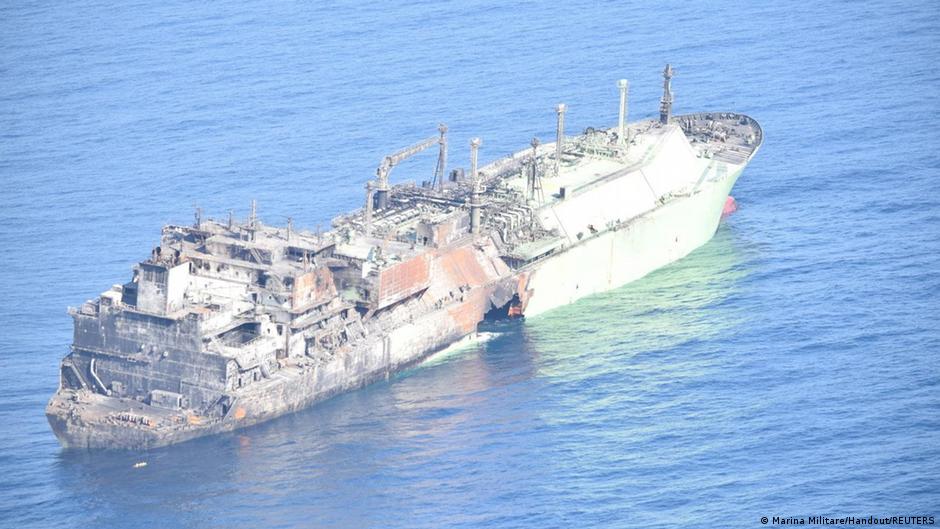
CREA also cited the March fire aboard the Russian liquefied natural gas carrier Arctic Metagaz in the Mediterranean Sea as an example of the operational and environmental risks attached to sanctioned shipping. Libya, Malta and Italy were left to handle the crisis on their own, according to the source article.
“The Arctic Metagaz incident showed the Russian flag for what it really is: a shield for dangerous vessels, providing no support in the event of a disaster and leaving coastal states to manage the risks and consequences,” analyst Luke Wickenden said.
Arctic Metagaz is one of roughly 10 gas carriers used to transport sanctioned LNG from Russia’s Arctic LNG 2 terminal to the port of Beihai on China’s southern coast. In February 2026, the vessel left Murmansk after loading and was likely headed toward the Egyptian port of Suez, gCaptain indicated. The ship has been under U.S. and U.K. sanctions since 2024.
The incident adds a safety and liability dimension to the market impact of reflagging. A ship may remain active in sanctioned commodity flows, but the flag it sails under affects who is expected to respond when something goes wrong. CREA’s analysis argues that the Russian registry is increasingly serving vessels already cut off from conventional compliance channels.
For oil and LNG markets, the registry increase is therefore more than an administrative change. It is a sign of sector rotation inside maritime risk itself: sanctioned tonnage is moving away from open registries that are tightening controls and toward jurisdictions or structures where enforcement is harder, transparency is lower and coastal-state exposure may be higher.
The 36% expansion in Russia’s flagged fleet over 18 months shows how quickly shipping networks can adapt under pressure. It also gives market watchers a concrete indicator to track as sanctions enforcement, tanker availability, freight premiums and destination flows continue to shape the trade in Russian energy.