Finland Pushes EU Tourist Visa Ban for Russians as Sanctions Focus Widens
Foreign Minister Elina Valtonen urged EU states to halt Russian tourist visas, adding pressure before bloc-level talks on Russia visa policy.
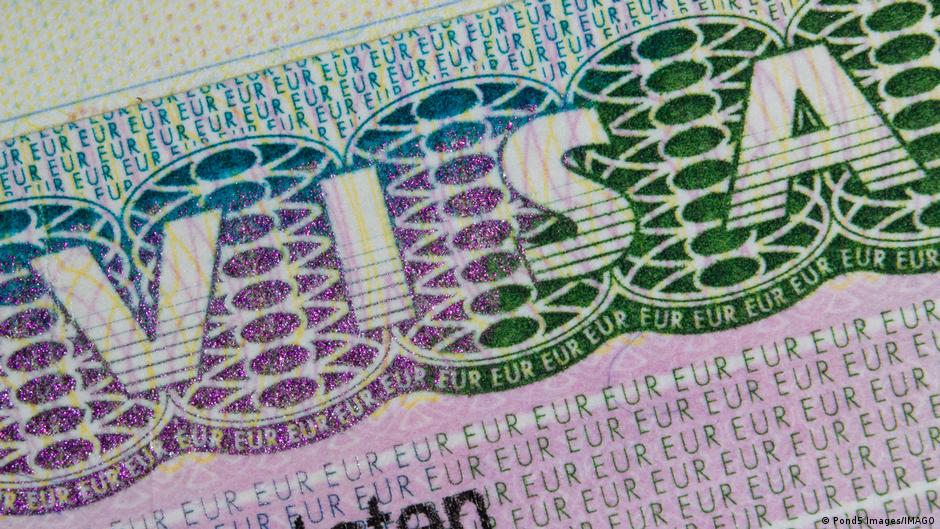
Finland’s foreign minister, Elina Valtonen, has called on European Union member states to stop issuing tourist visas to Russian citizens while Moscow continues its war against Ukraine, adding a new political catalyst to the sanctions agenda closely watched by markets exposed to Europe-Russia flows.
Valtonen said on X on Monday, October 12, that she had invited other EU member states to join her appeal to the European Commission on the issue. Her intervention comes as EU governments continue to weigh how far to tighten restrictions on Russian mobility, with visa policy now returning to the diplomatic calendar alongside broader discussions of sanctions, border security and so-called hybrid threats.
“It is wrong that Russians can travel to Europe to enjoy the lifestyle and freedoms here while their country bombs Ukrainian homes,” Valtonen said.
For markets, the immediate impact of visa restrictions is not comparable to energy sanctions, asset freezes or export controls. But the proposal is relevant for investors tracking policy risk, travel demand, aviation exposure, consumer spending in border economies and the broader rotation of EU sanctions pressure. Any bloc-wide tightening would reinforce the trend toward reduced cross-border movement between Russia and the Schengen area, a pattern already reflected in travel, payments and services activity since 2022.
Visa Policy Moves Back Into the EU Sanctions Spotlight
Valtonen said Finland had already banned the issuance of visas to Russians for non-essential travel in 2022 and argued that the same approach should finally be adopted at EU level. She also called for a ban on Schengen visas for people belonging to the close circle of Russian President Vladimir Putin, restrictions on visas for Russian athletes and effective enforcement of visa bans on Russian participants in the war against Ukraine.
“EU countries must act together,” she said, underscoring the importance of coordination across the bloc. That message matters for markets because fragmented national restrictions create uneven effects across border states, airports, tourism operators and financial intermediaries, while EU-wide action tends to produce clearer compliance standards and a more uniform operating environment.
The proposal follows earlier comments by Kaja Kallas, the EU’s high representative for foreign affairs and security policy, who said in September that the EU needed to toughen restrictive measures against the Kremlin in response to what she described as Moscow’s hybrid attacks. Kallas specifically included a reduction in tourist visas among the possible measures.
Estonia has also advocated a visa ban for former Russian participants in the war against Ukraine. That measure was later supported by other Baltic and Nordic countries, pointing to a regional bloc that has consistently pushed for a harder line on Russian travel access into Europe.
Market Relevance: Travel, Compliance and Policy Risk
Visa measures are not usually a primary driver of equity indexes or currency moves, but they can contribute to sector-level repricing when they affect travel corridors, tourism receipts or compliance costs. Airlines, airport operators, hospitality businesses and payment-service providers with exposure to cross-border traffic from Russia may remain sensitive to further restrictions, particularly in countries geographically close to Russia or historically linked to Russian tourist flows.
The policy debate also has implications for the broader sanctions-risk premium attached to companies operating in or around restricted jurisdictions. A unified EU approach to tourist visas would be another signal that the bloc is prepared to expand pressure beyond goods, finance and energy into personal mobility and access to European services. For compliance desks, the focus would shift to implementation details: who qualifies for exemptions, how existing multiple-entry visas are treated and whether restrictions apply uniformly across all Schengen states.
In June, a group of EU countries issued a joint call to stop granting tourist visas to Russians. According to a letter signed by those countries, Russians were issued 470,000 visas in 2025 to visit 29 Schengen countries. Many of those visas allowed multiple entries, AFP noted. That figure provides the clearest available scale for the market exposure at issue: not a systemic macro shock, but a meaningful volume for border-control systems, travel operators and businesses that still capture Russian visitor spending.
The Schengen dimension is important because a visa issued by one participating country can enable movement across much of the zone, depending on the visa type and validity. That makes national policy differences politically sensitive and operationally important. Countries pushing for tighter rules argue that a bloc-level decision would reduce loopholes and prevent travelers from bypassing stricter national regimes through other member states.
EU Council Discussion Scheduled for October 14
According to information published on the website of Austria’s parliament, EU Council discussions on visa policy toward Russia are scheduled for October 14. Traders and policy analysts will be watching whether the talks produce a concrete path toward new EU-level restrictions or remain at the level of political signaling.
The issue lands as European governments continue to balance security policy with legal, humanitarian and administrative considerations. Valtonen’s position is clear: as long as Russia continues its aggressive war against Ukraine, Russian citizens should not be able to travel to Europe for tourism and enjoy European freedoms while Ukrainians face bombardment at home.
Any formal EU move would likely unfold through negotiations among member states and the European Commission, with implementation details shaping the practical market effect. For now, the Finnish push adds momentum to a broader Northern and Baltic campaign for stricter access rules, keeping Russia-related restrictions on the active policy dashboard for European markets.