South Korea Threatens Ukraine With Further Measures in Prisoner Dispute
Seoul warned Kyiv it could act if Ukraine does not publicly acknowledge a confidentiality agreement and apologize over North Korean prisoners.
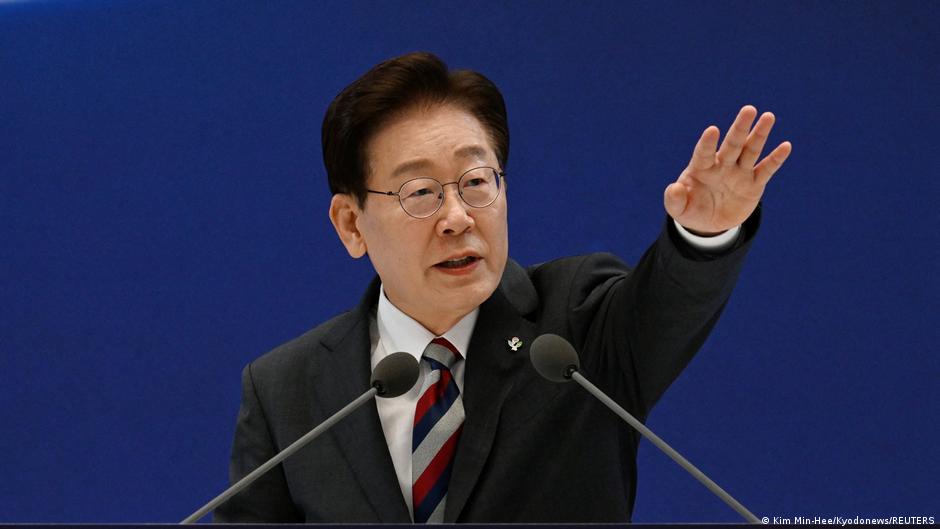
South Korea’s president warned Ukraine that Seoul will take “further measures” if Kyiv refuses to publicly acknowledge what South Korea says was a confidentiality agreement over the transfer of two captured North Korean soldiers and does not apologize. The dispute has added a new geopolitical risk point for markets tracking defense supply chains, Korean assets, and the wider security alignment around the war in Ukraine.
President Lee Jae Myung did not specify what measures Seoul could take. In a post on X overnight into Friday, October 2, he accused Kyiv of portraying South Korea as a “liar” and framed the matter as a question of national honor.
“If recognition of the facts and a public apology continue to be rejected, we will take further measures,” Lee wrote, calling it “a matter of honor for the Korean people and state.”
The warning comes as investors continue to watch whether South Korea, a major industrial and defense producer, could alter its approach to military support for Ukraine. Seoul has so far supplied Kyiv mainly with non-lethal military equipment, including demining gear. Reuters has noted that some Western countries have recently pressed South Korea to provide lethal weapons to Ukraine as well.
Diplomatic Tension Becomes a Market Signal
For markets, the immediate issue is not a direct trading figure but the direction of policy risk. South Korea’s defense sector has already become more closely watched since Russia’s full-scale invasion of Ukraine, as European governments and other partners reassess ammunition, armored vehicle, and weapons procurement. Any diplomatic deterioration between Seoul and Kyiv could complicate expectations around future cooperation, even if no specific policy change has been announced.
The dispute began after Ukrainian President Volodymyr Zelensky said at the United Nations General Assembly in late September that Kyiv had transferred two North Korean prisoners of war to South Korea. Seoul then sharply criticized Kyiv, saying publication of the information could endanger relatives of the prisoners in North Korea and negatively affect relations between Seoul and Pyongyang.
South Korea’s first vice foreign minister, Park Yoon-joo, said Kyiv’s denial of an agreement undermined mutual trust and demanded official explanations and an apology from Ukraine. Dmitry Litvin, communications adviser to the Ukrainian president, said there had been no arrangement between Kyiv and Seoul that information about the prisoners’ fate could not be disclosed. South Korea’s presidential office expressed “deep regret” over those claims.
On September 28, South Korea’s Yonhap news agency reported that the foreign ministry had summoned Ukraine’s ambassador over Kyiv’s disclosure of information about North Korean prisoners of war. On September 30, AFP reported, citing South Korean lawmaker Youn Kun-young, that both prisoners had arrived in South Korea in mid-September. After questioning and a security screening, authorities in Seoul are expected to decide whether to grant them protection and begin a resettlement process.
Ukraine Seeks to Contain the Fallout
Ukrainian Foreign Minister Andrii Sybiha said Kyiv is interested in resolving the diplomatic dispute with South Korea quickly and continuing cooperation with Seoul. Speaking to reporters in Kyiv hours before Lee’s post, Sybiha avoided calling the matter an incident.
“I would not like to call this an incident. Let’s say it is a diplomatic misunderstanding,” Sybiha said, according to RBC-Ukraine.
Sybiha said he had been speaking personally and daily in recent days with his South Korean counterpart. He said he wanted the situation to be settled in the near term and emphasized that Ukraine views South Korea as an important country.
“I very much want this situation to be resolved in the near future, and we are working on it,” Sybiha said. “For us, South Korea is an important country. And I very much hope for momentum, continuation and concrete results that we are genuinely achieving with them.”
The public nature of the disagreement makes it harder for market participants to separate diplomatic signaling from potential policy consequences. If Seoul’s “further measures” remain undefined, the trading impact may stay limited to risk perception. But if the dispute affects defense aid, technology cooperation, or South Korea’s willingness to deepen support for Kyiv, the issue could become more material for companies exposed to defense production and geopolitical procurement flows.
The episode also intersects with South Korea’s domestic political context. Shin Yul, a political science professor at Myongji University, told AFP that Seoul’s handling of the conflict with Ukraine “could prove problematic” given the current administration’s restrained stance toward its nuclear-armed northern neighbor.
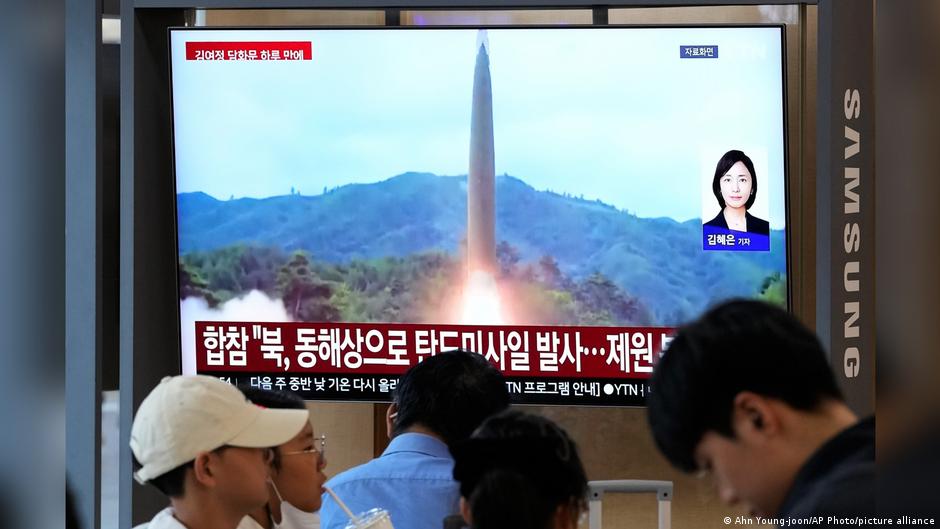
The North Korea dimension remains central. Zelensky wrote on social media last week that, according to his information, around 8,000 North Korean troops are currently in Russia and another 10,000 are preparing to be sent there and onward to the war against Ukraine. Those claims add to Western concerns about Pyongyang’s role in supporting Moscow, while also raising the stakes for Seoul’s public and private diplomacy.
For traders and policy watchers, the latest exchange is another reminder that the Ukraine war continues to generate second-order risks across Asia. The dispute has not yet produced a specified economic measure, sanctions action, or arms policy shift. Still, Lee’s warning places South Korea-Ukraine relations on the market radar at a time when defense procurement, alliance politics, and North Korea-related security risk are already shaping investor attention.