Business
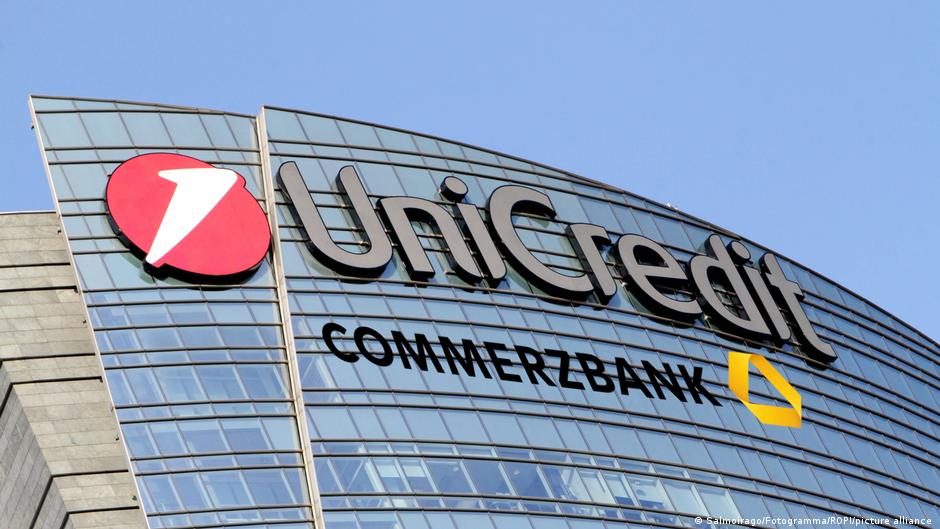
ECB Clears UniCredit to Raise Commerzbank Stake Above 30%
ECB approval allows UniCredit to exceed 30% ownership of Commerzbank, advancing its bid for control despite opposition from Germany.
Editorial Team · Oct 16, 2026
ECB approval allows UniCredit to exceed 30% ownership of Commerzbank, advancing its bid for control despite opposition from Germany.
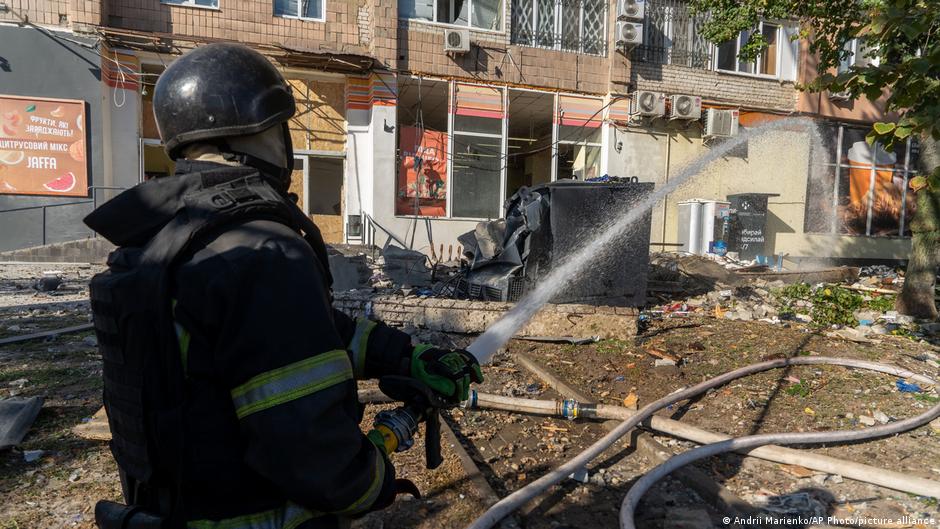
Trump said Putin is more interested than Zelensky in a Ukraine peace deal as Kyiv reported no Russian compliance with an energy ceasefire.
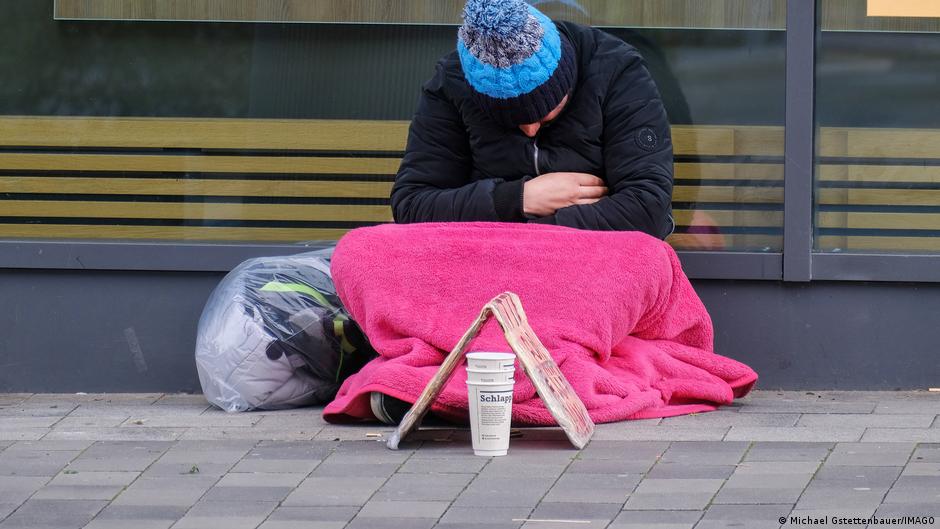
New figures show 1.4 million people in Germany received Bürgergeld for at least five years, intensifying debate over labor supply and welfare reform.
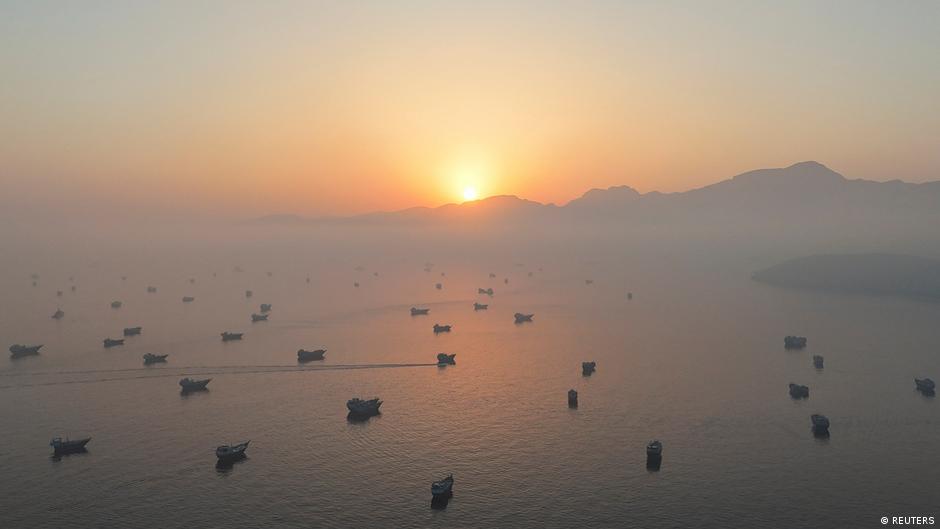
CENTCOM said a U.S. fighter disabled the M/V Ocean Molica, while UKMTO reported a separate tanker fire in the Strait of Hormuz.
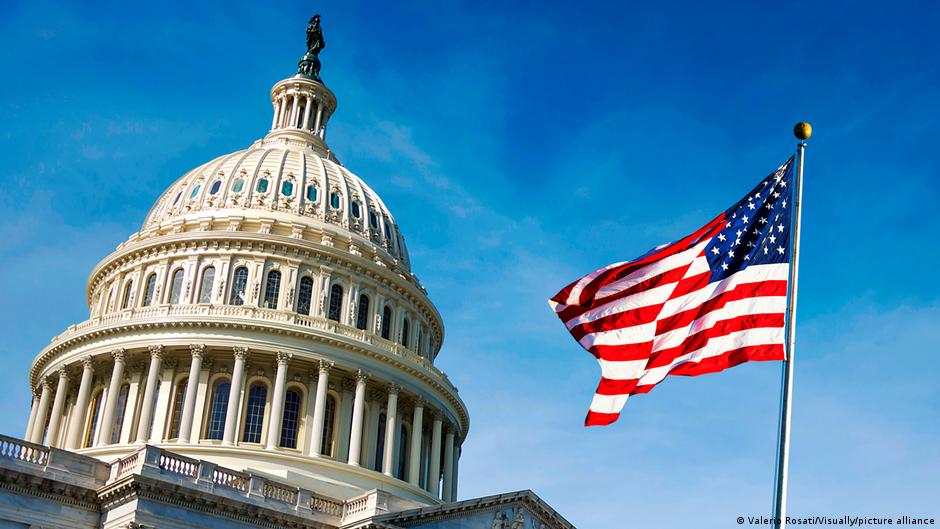
US lawmakers are preparing a bill to ban Russian oil purchases, challenging Trump’s reported diesel supply agreement with Putin.
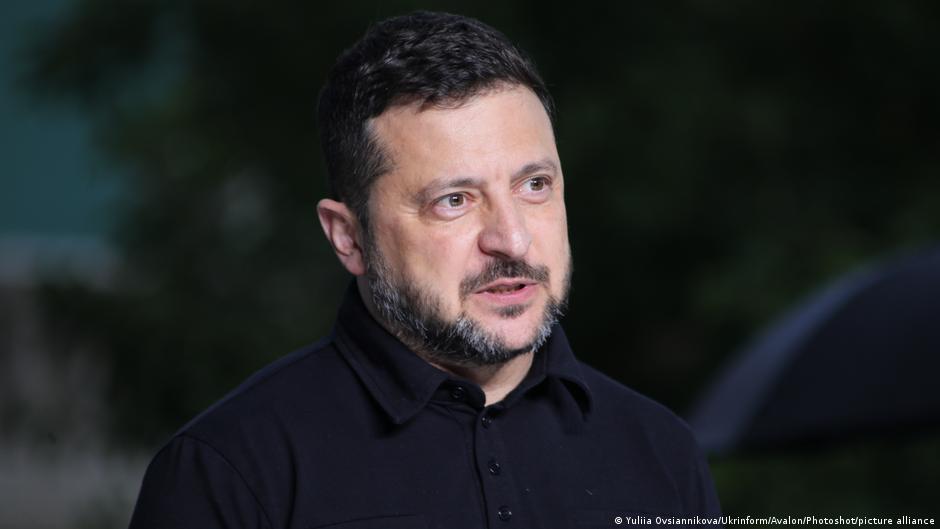
Ukraine will meet Trump envoys in the U.S. on October 9-10 to discuss a new war-ending plan, with sanctions, Starlink and data centers in focus.
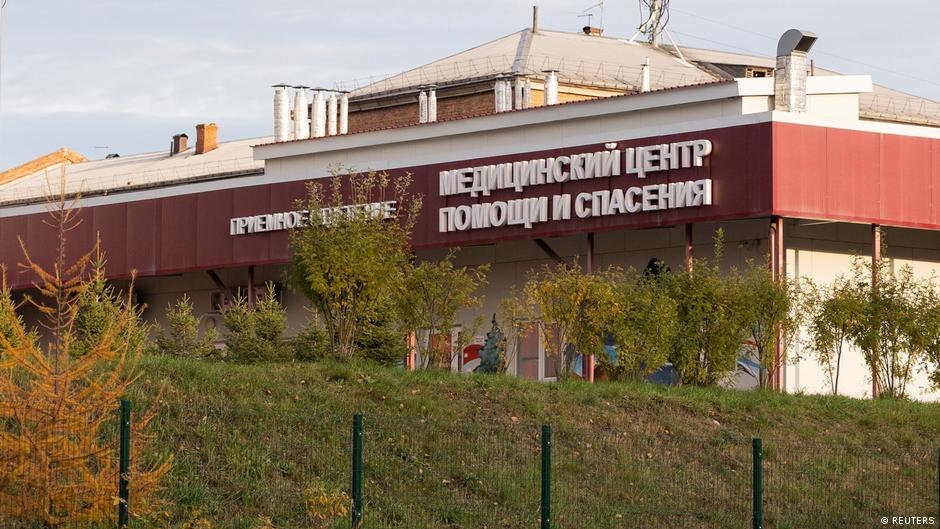
Trump plans to call Putin as WHO seeks more details from Russia on an Irkutsk fatal pneumonia case and reported local health measures.
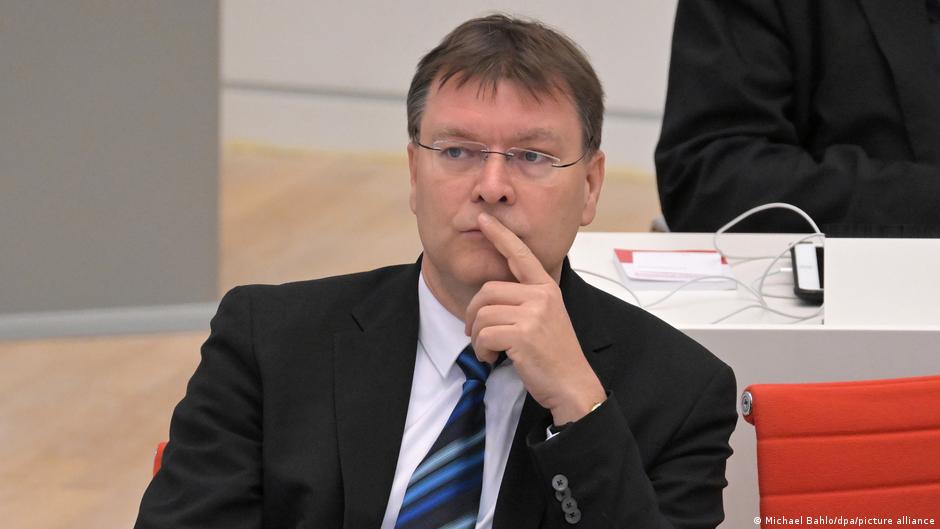
BSW lawmaker Sven Hornauf is preparing delegations to Belarus and Russia to revive twin-city ties, adding to Germany’s Russia policy debate.
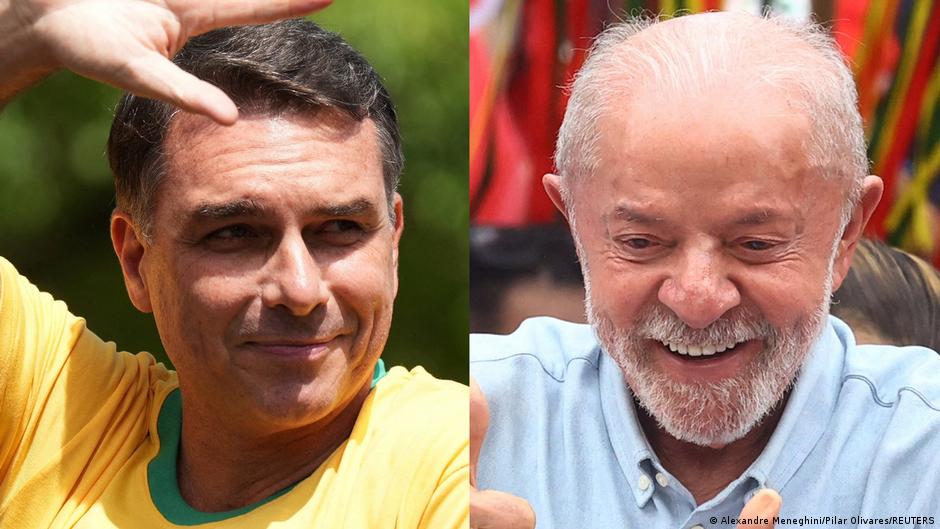
Flavio Bolsonaro led Brazil’s first-round presidential vote with 47.03%, sending the race against Lula da Silva to an Oct. 25 runoff.
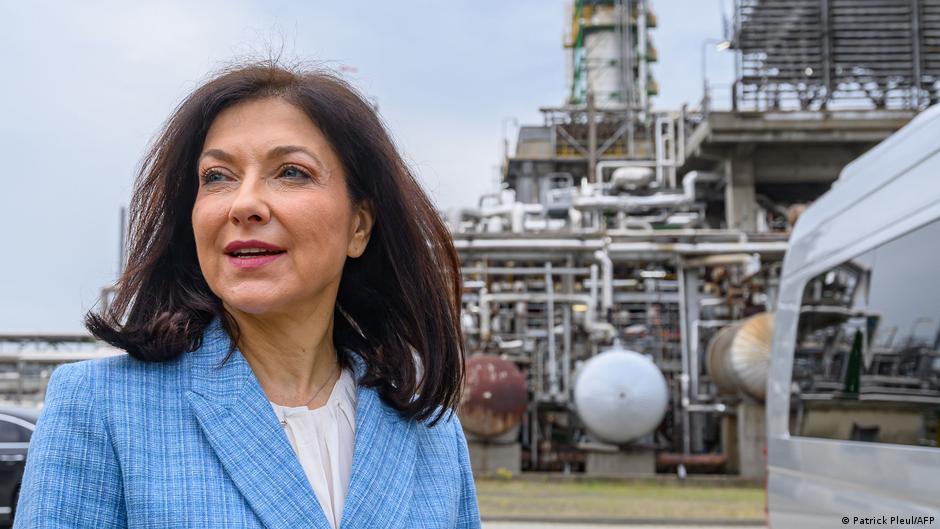
Germany’s economy minister warned that the Left Party’s Berlin win could damage investor confidence and threaten business conditions.

Western governments are preparing plans to move embassies from Kyiv to Lviv or Poland as Russian strikes raise Ukraine winter risk.
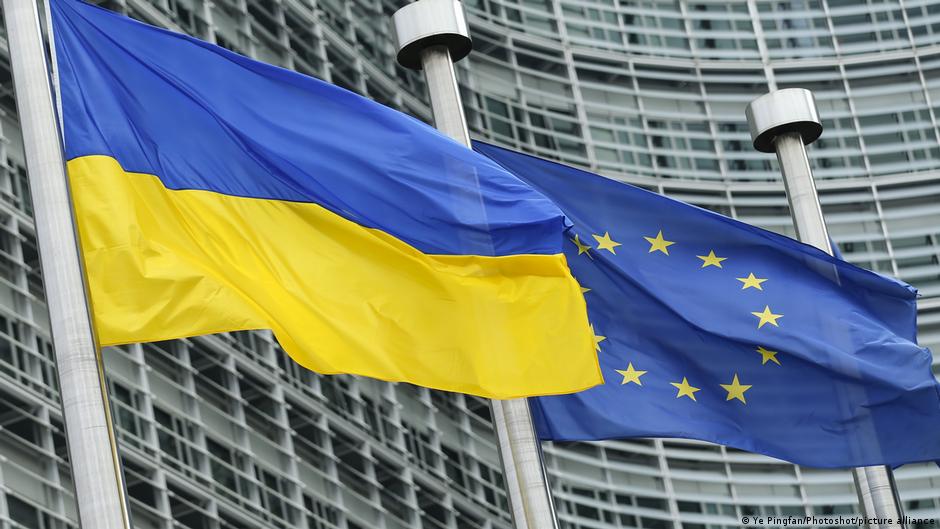
The EU declined Ukraine’s request for early access to part of a €90 billion loan, keeping attention on 2027 financing needs and donor support.
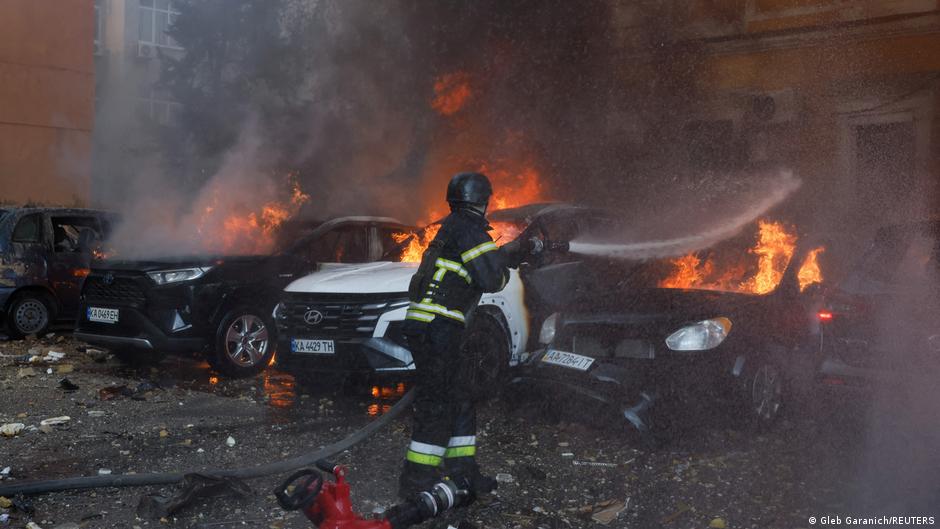
Russian missile and drone attacks on Kyiv continued overnight after daytime strikes killed two people and injured 26, officials said.
Sri Lanka’s Chemmani mass grave investigation has identified remains of 572 people, reviving scrutiny of wartime disappearances and governance risk.
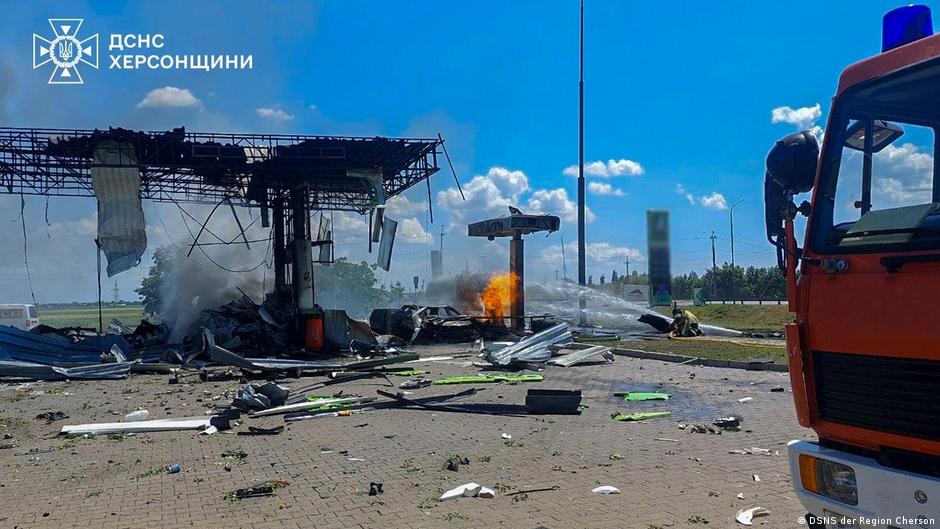
Russian attacks killed at least four people in Ukraine, with strikes reported in Kherson, Sumy, Odesa and Kyiv region.
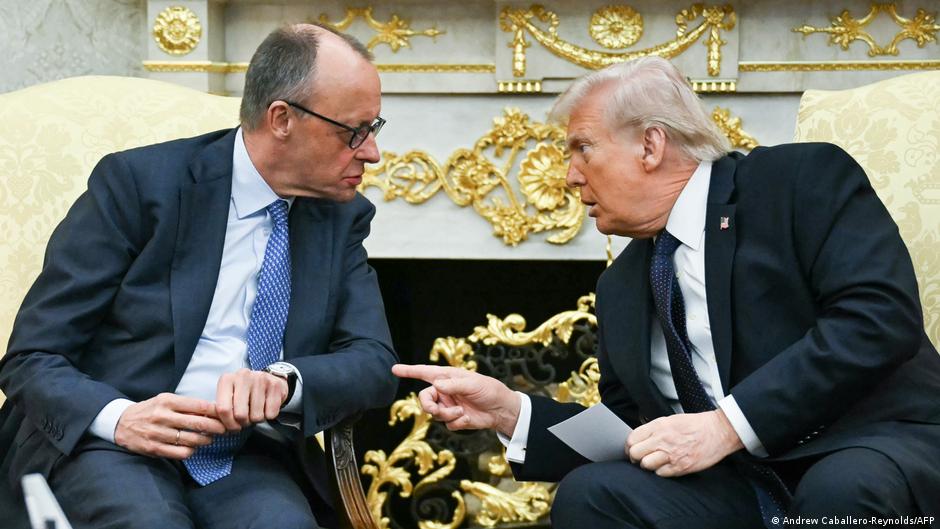
Merz says unconditional transatlantic friendship may be over, highlighting defense spending, trade risks and Germany’s 2026 growth outlook.
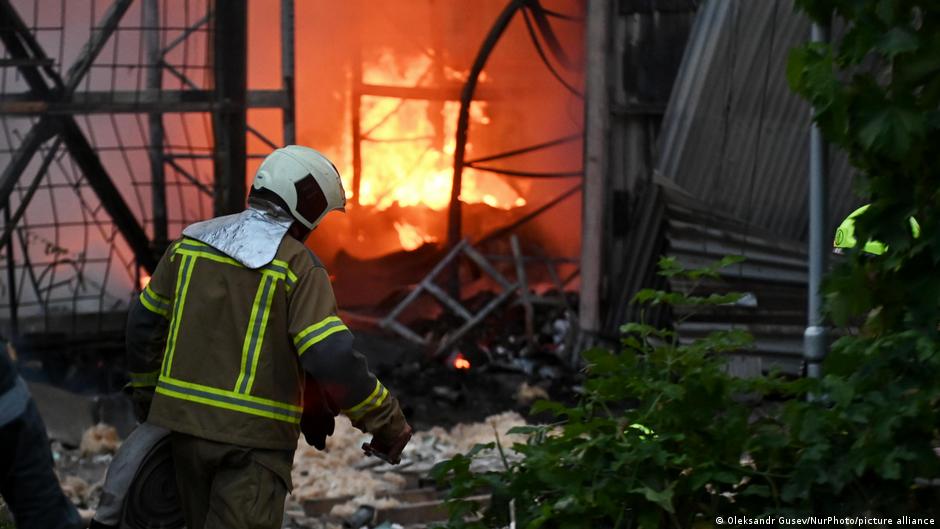
Russian drone strikes hit Kyiv fuel stations, warehouses and Odesa port-linked infrastructure, raising fresh logistics and Black Sea risk concerns.
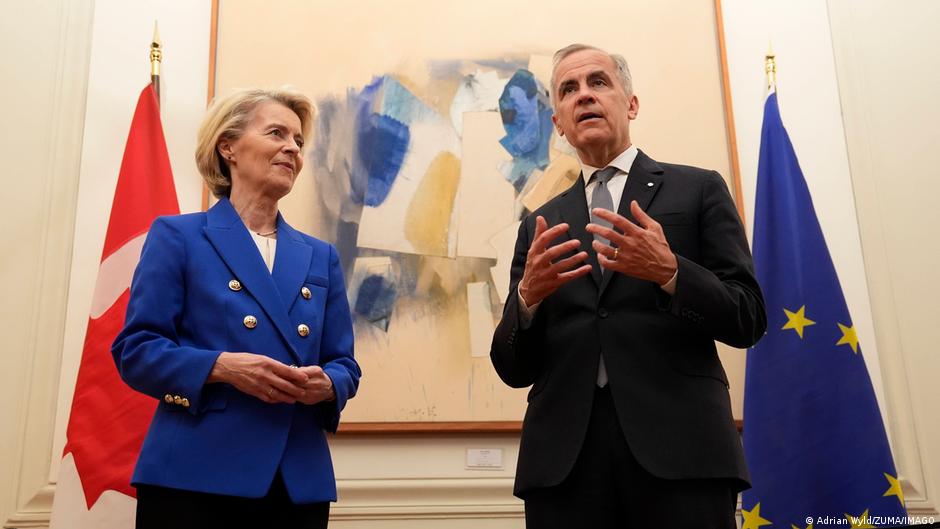
Canada is negotiating to join the EU’s €90 billion Ukraine loan program, with a contribution target expected before an October summit.
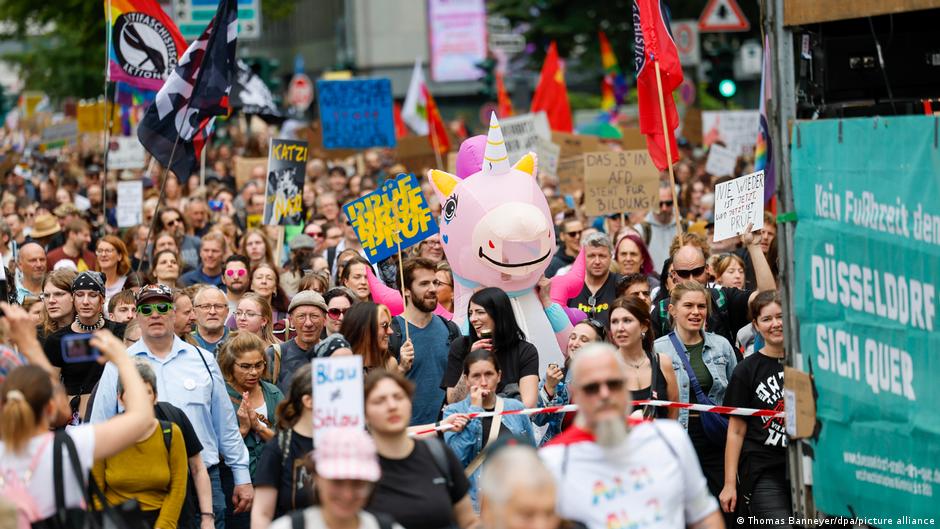
Mass protests across Germany followed AfD’s Saxony-Anhalt win, adding a political-risk signal for investors watching Europe’s largest economy.
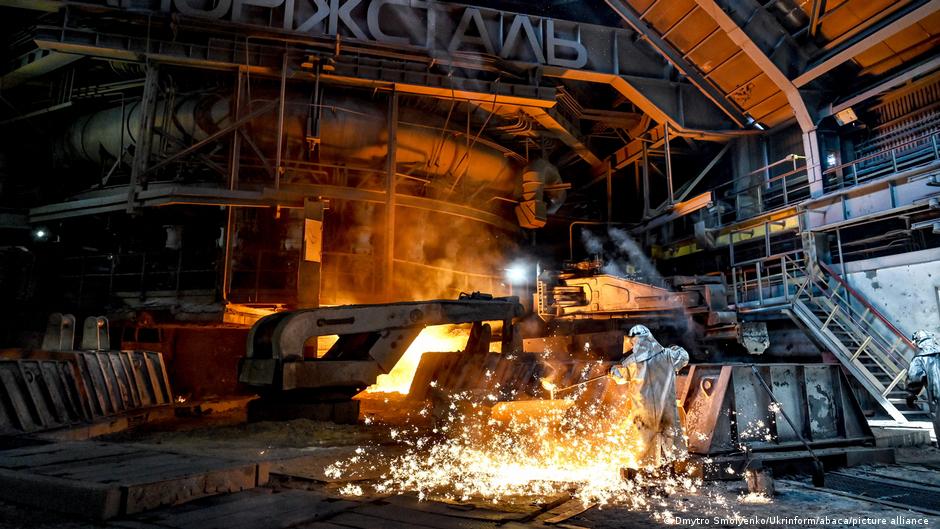
Zaporizhstal remains halted after a third Russian missile strike in a month caused preliminary critical damage to key plant infrastructure.

Zelensky expects late-September U.S. talks on grain exports and energy security as markets track Black Sea disruption and infrastructure risks.
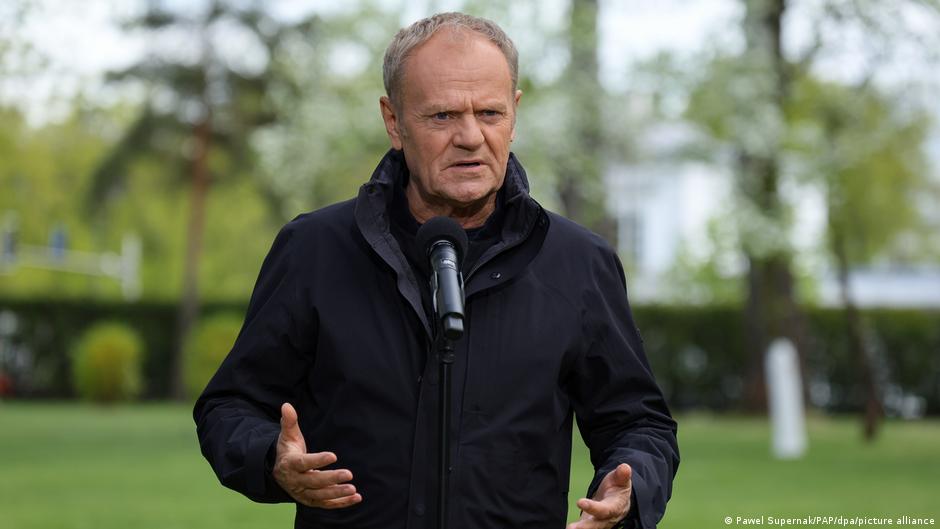
AfD’s projected 44% win in Saxony-Anhalt triggered warnings from Poland and France, adding a fresh political risk signal for European markets.
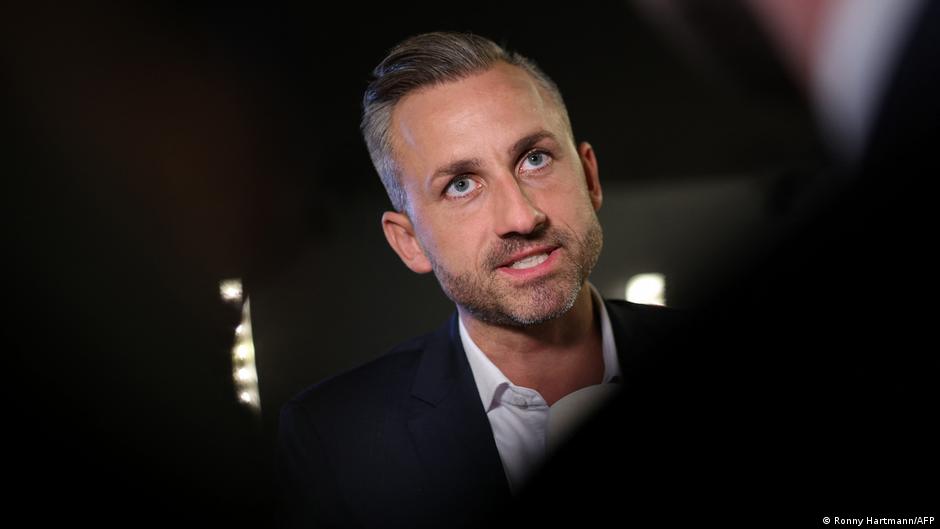
AfD won 43.8% in Saxony-Anhalt, but the seat math leaves coalition talks highly uncertain and BSW potentially decisive.
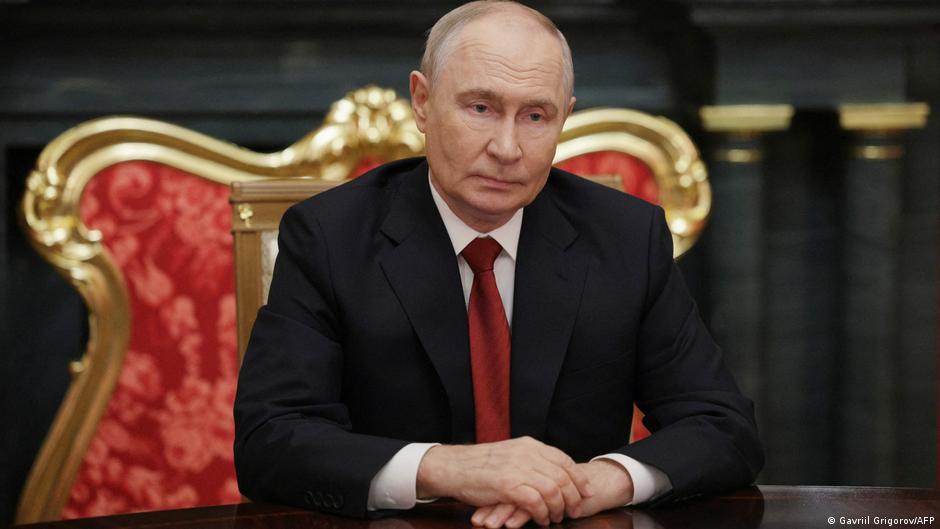
Putin backed using volunteers deemed fully unfit for service in rear-area drone defense, adding to signs of manpower pressure in Russia’s war economy.
Uzbekistan’s decade of business reforms has reshaped registration, licensing, taxation and investor-facing legal protections.
Foreign investment into Germany rose to 86 billion euros in 2025, with UK inflows surging and the US share dropping sharply, according to IW data.
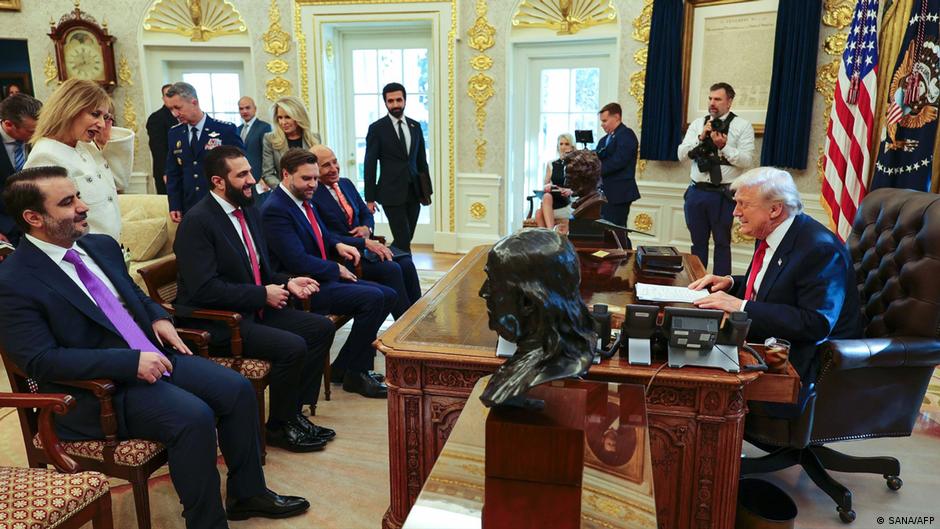
The US has removed Syria from its terrorism sponsor list, lifting sanctions and opening new investment opportunities amid ongoing regional geopolitical tensions.
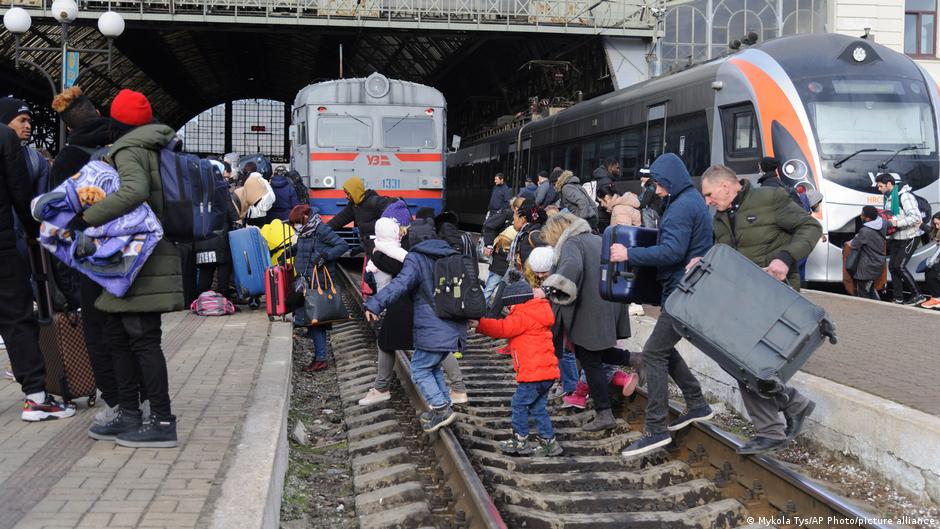
Ukrainian officials report over 8.4 million citizens living abroad amid war, with Kyiv-controlled territory population shrinking to 27-28 million.
Uzbekistan moves forward with national navigation and digital governance platforms to boost IT exports and improve public administration efficiency.
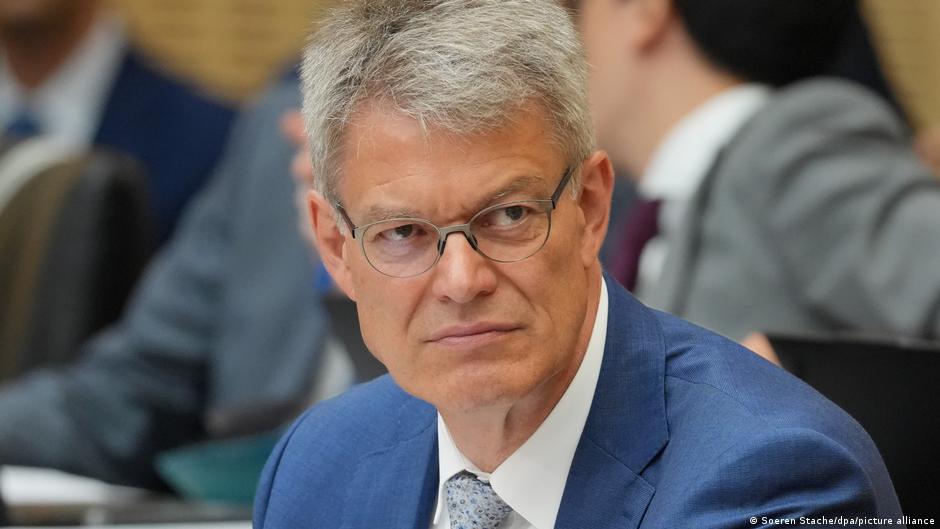
German Transport Minister Patrick Schnieder resigns amid cabinet reshuffle; Chancellor Friedrich Merz to nominate Steffen Bilger as successor, impacting transport sector policies.
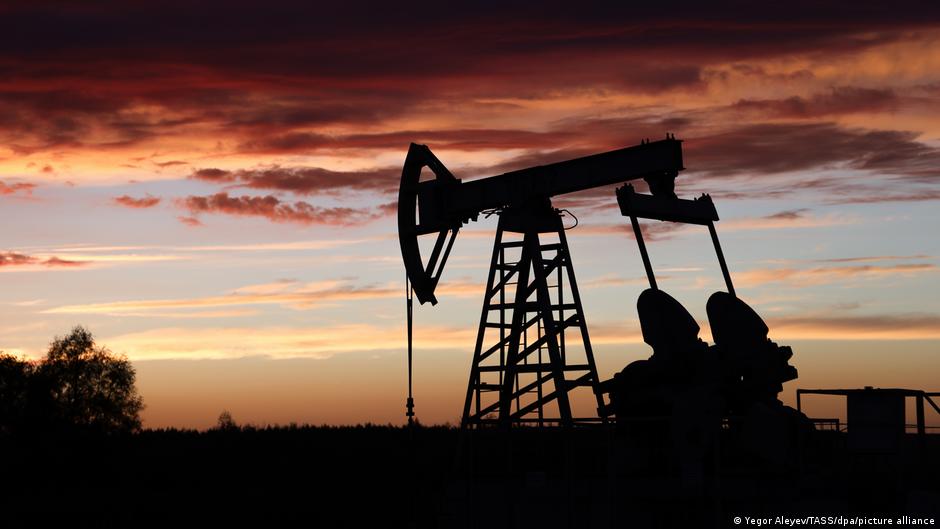
Russia’s July oil and gas revenues are expected to rise 60% year-on-year due to higher global oil prices, despite ongoing sanctions and a weaker year-to-date performance.
The IMF approved a €604 million disbursement to Ukraine after a satisfactory program review, supporting Kiev amid delays in reforms and ongoing conflict.
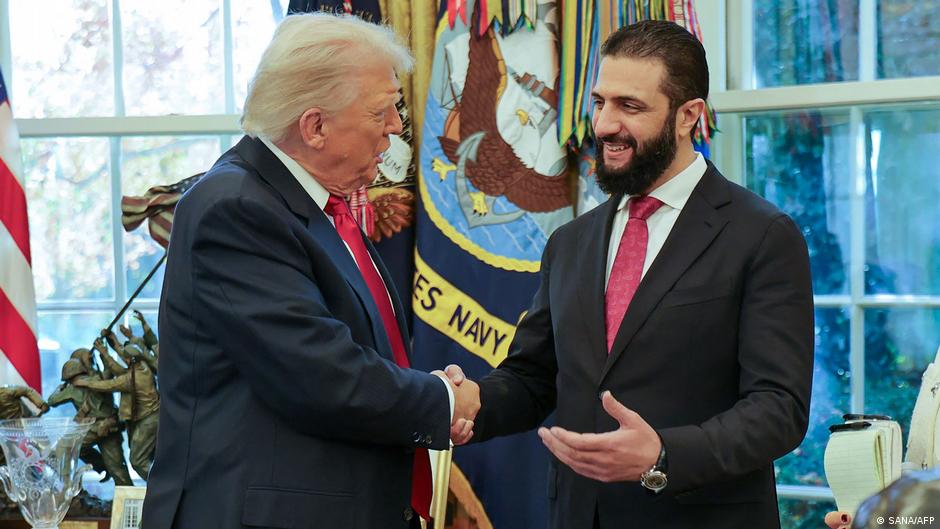
President Trump promises to remove Syria from the terrorism sponsor list, enabling new investment opportunities and signaling a strategic US-Syria rapprochement.
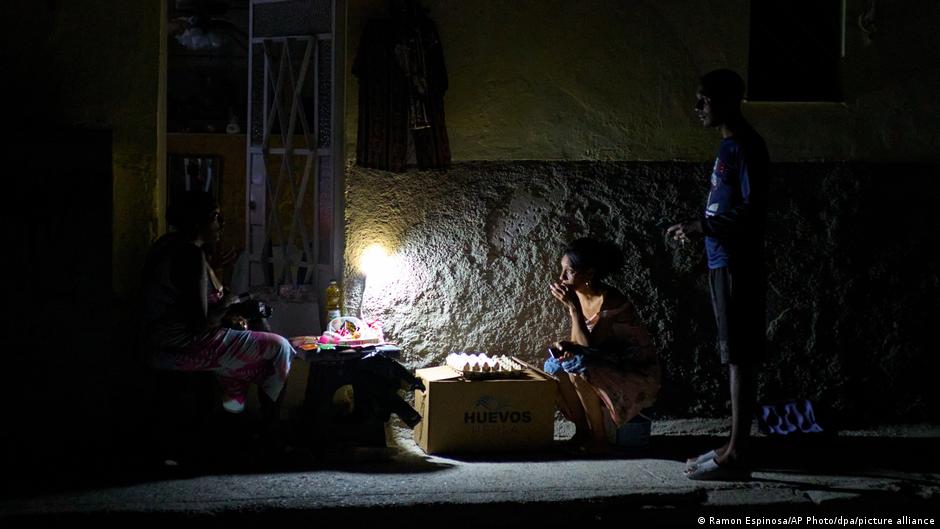
Cuba's electrical grid suffered a total blackout amid worsening fuel shortages and intensified U.S. sanctions, further deepening the island’s energy crisis.

German authorities have granted asylum to Russian anti-war activist Ilya Shkolny after a lengthy legal battle and interventions by human rights groups.
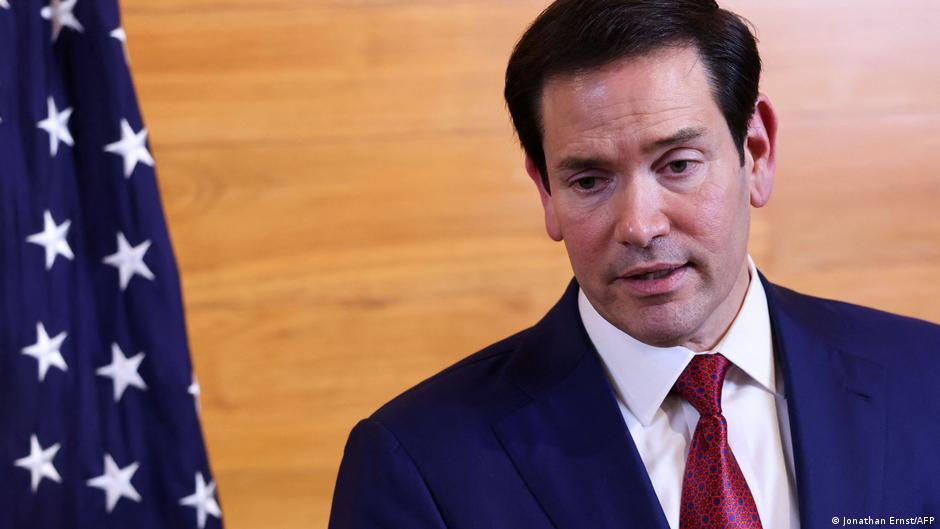
The US has imposed new sanctions on five major Cuban state companies controlling 40% of the economy, escalating economic tensions and enabling US firms to pursue compensation claims.
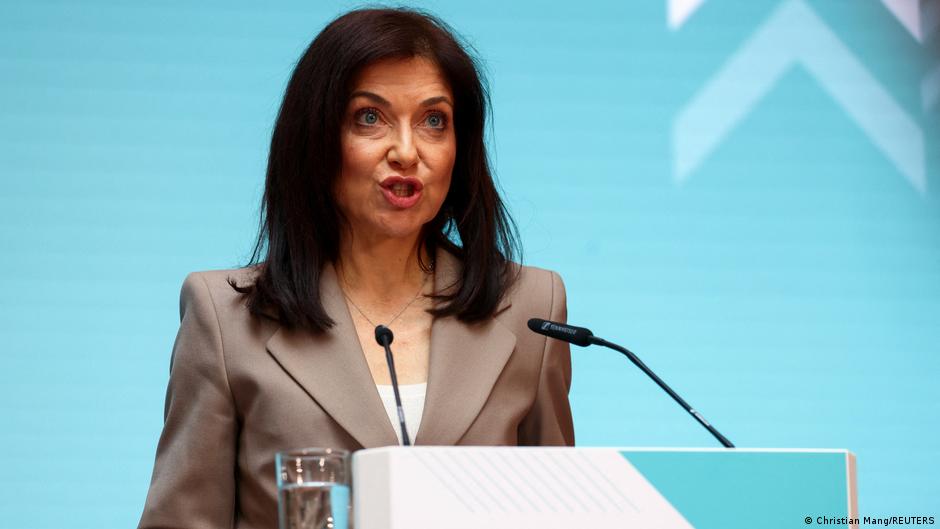
Germany's Economy Minister Katherina Reiche emphasized that future EU-Turkey gas contracts must exclude Russian supplies amid efforts to reduce reliance on Russian energy sources.
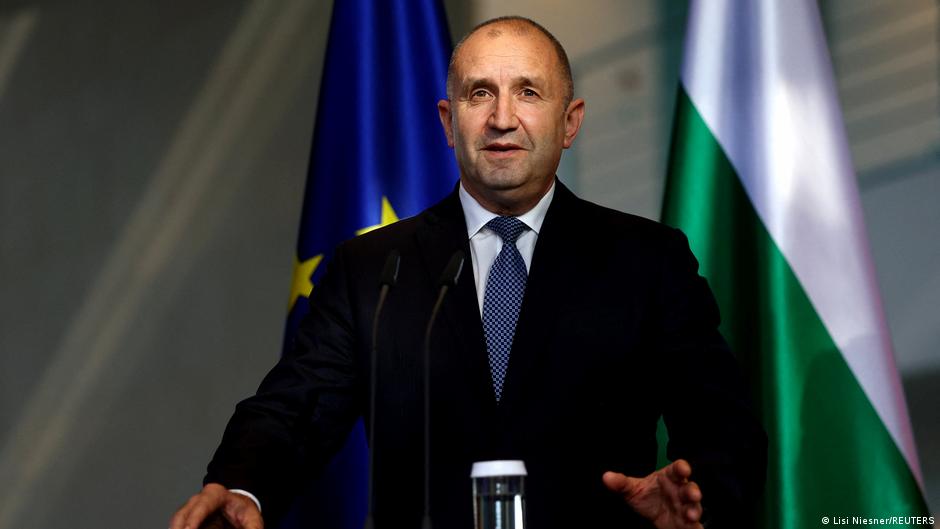
Bulgaria intends to veto the EU's latest sanctions package against Russia, citing threats to its economy and energy sector, notably concerns over Lukoil's operations.
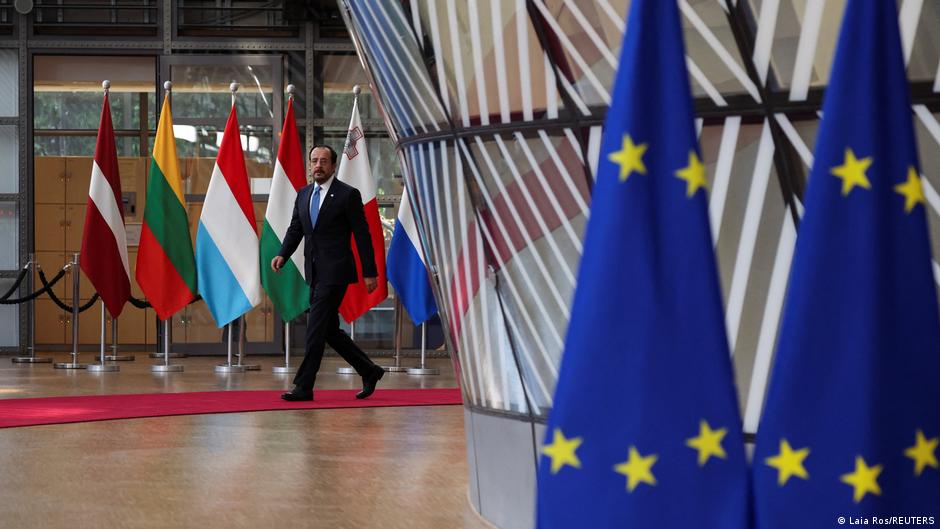
EU leaders agree to extend sanctions on Russia for one year, reflecting a unified stance and signaling potential impacts on energy, finance, and trade sectors.
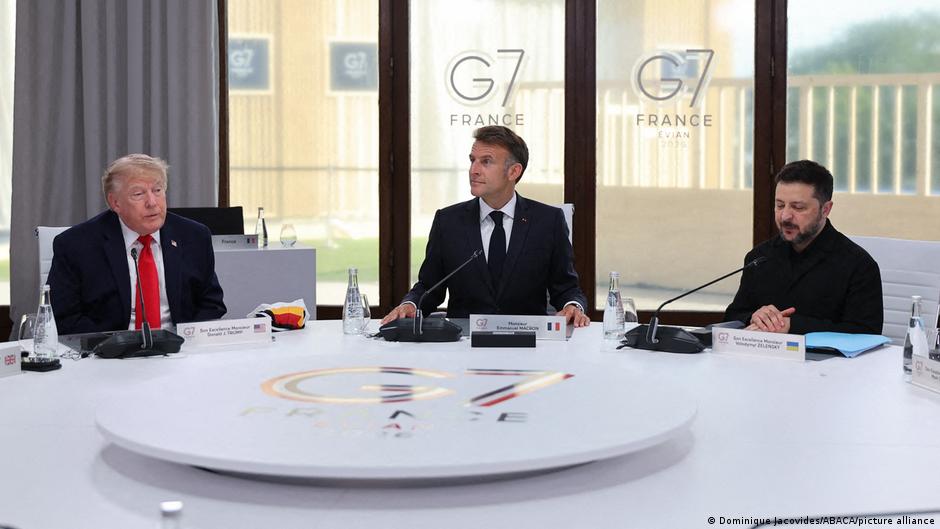
G7 leaders unveil new sanctions targeting Russian energy exports and pledge increased delivery of advanced weaponry to Ukraine amid shifting battlefield dynamics.

Germany faces a 4.3 million worker deficit by 2036 due to baby boomer retirements and reduced migration, according to the Institute of the German Economy.
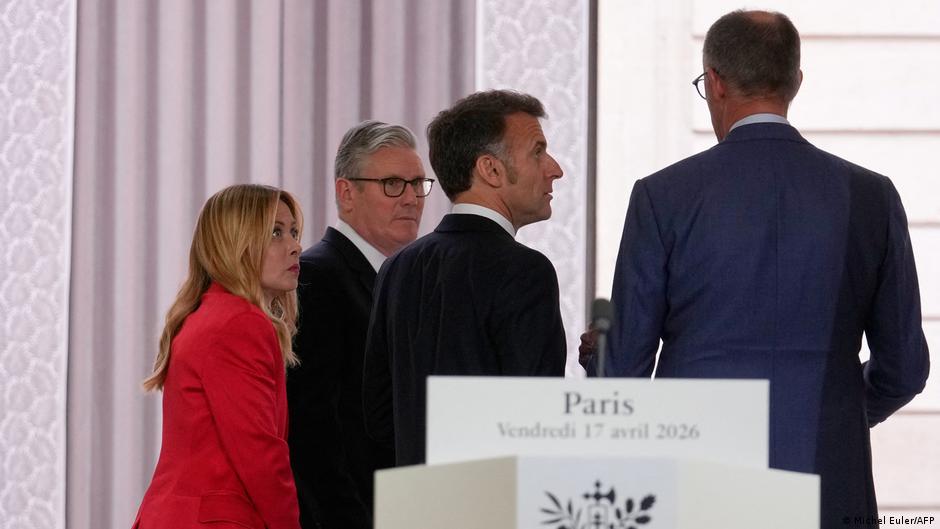
France, Germany, the UK, and Italy endorse the US-Iran deal, emphasizing nuclear non-proliferation and the restoration of safe maritime navigation through the Strait of Hormuz.
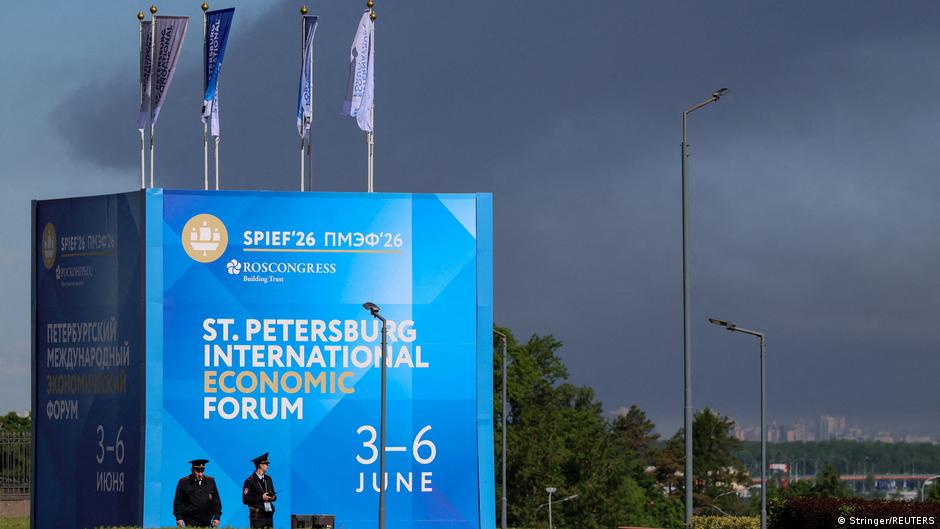
Rosneft advisor Andrei Bezrukov forecasts a prolonged war for Russia lasting decades, urging economic and state reforms to integrate defense priorities amid recent drone attacks.
The EU delays appointing a negotiator for talks with Russia, focusing first on clarifying goals and increasing sanctions pressure amid the Ukraine conflict.
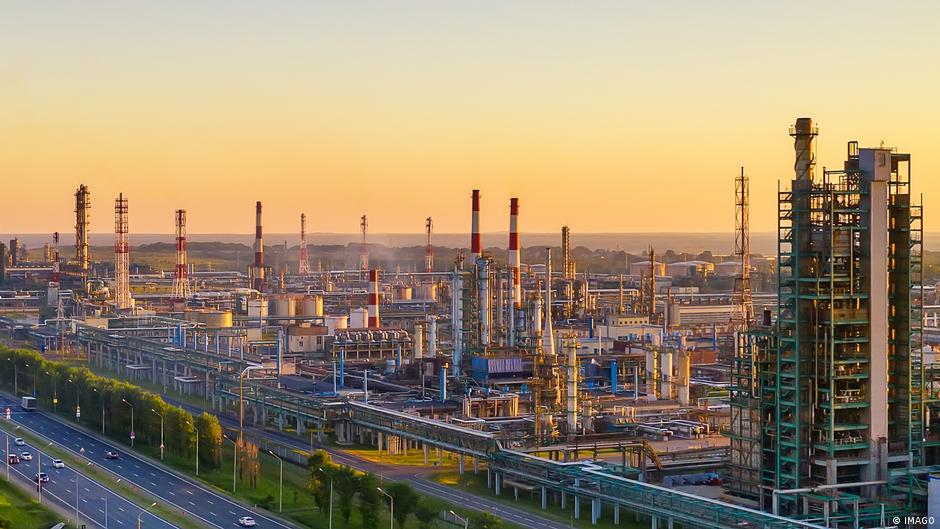
Russia plans a 1-2 month ban on diesel and aviation kerosene exports due to refinery disruptions caused by increased drone attacks on fuel plants.

Senior Kremlin officials warned President Putin against harsher internet restrictions amid economic losses and rising public dissatisfaction in Russia.
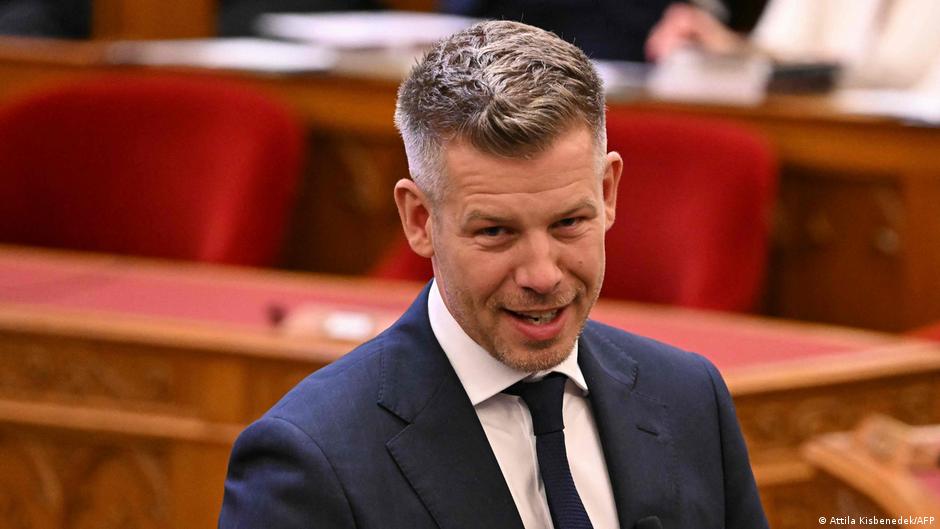
Hungary swiftly reinstates ban on Ukrainian agricultural imports and reverses ICC withdrawal, affecting regional trade flows and market dynamics.
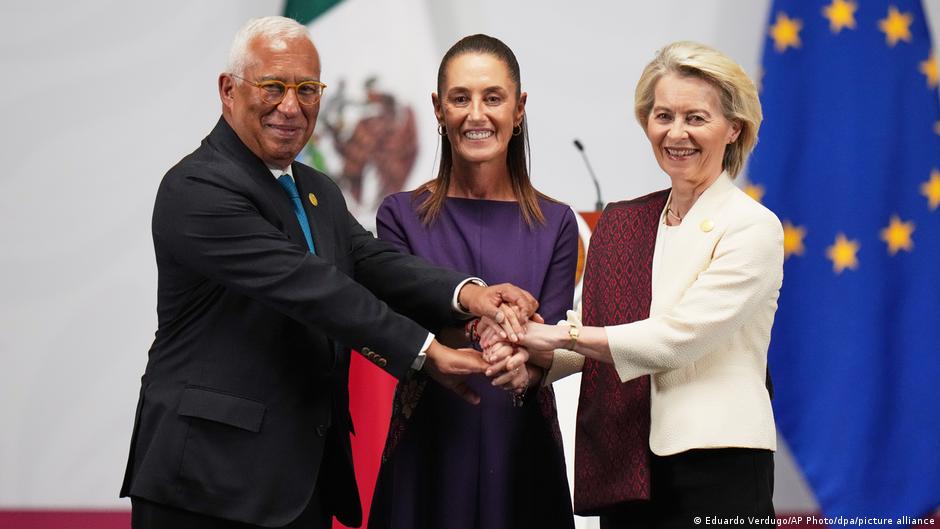
The EU and Mexico have signed a major trade agreement eliminating most tariffs and easing trade barriers, aiming to boost exports, investments, and sector rotation by 2030.
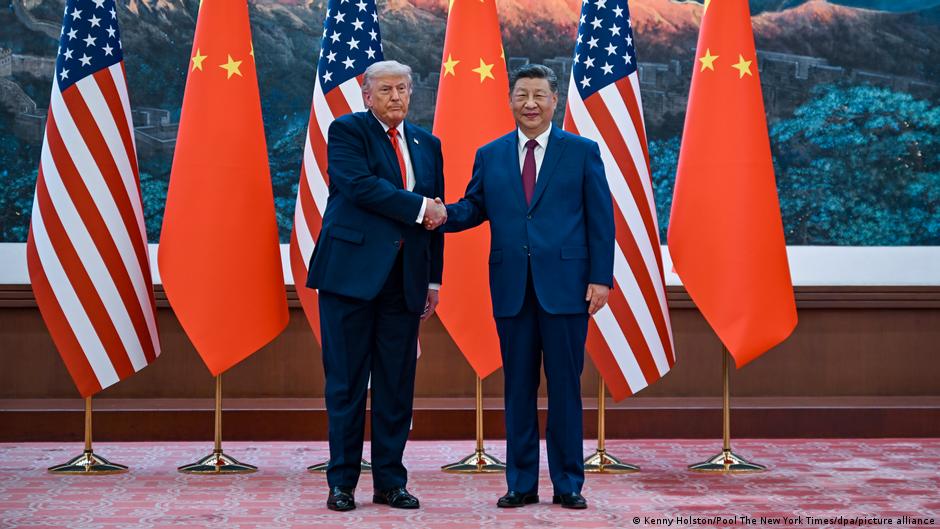
Trump and Xi Jinping meet in Beijing to discuss Iran, trade, and Taiwan, key topics with significant implications for global markets and energy sectors.
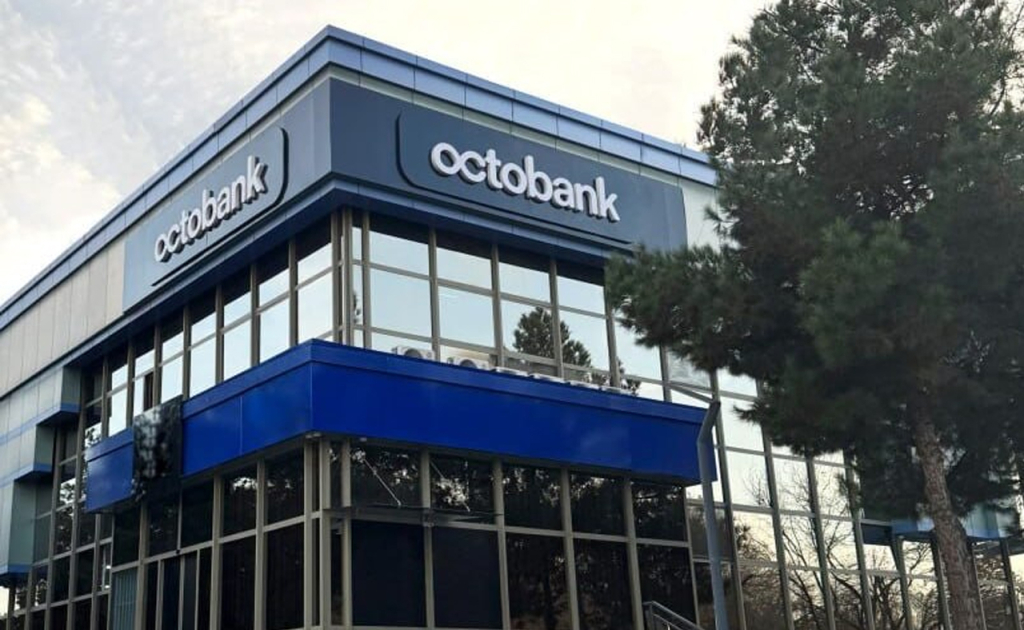
Uzbek banks saw a 30.9% increase in deposits in Q1 2026, led by Octobank's 416% surge, signaling rising liquidity and client confidence across the sector.