Bulgaria Vetoes EU’s New Sanctions Package Against Russia Citing Economic Risks
Bulgarian Prime Minister Rumen Radev blocks new EU sanctions on Russia over concerns for national economy and energy sector stability.
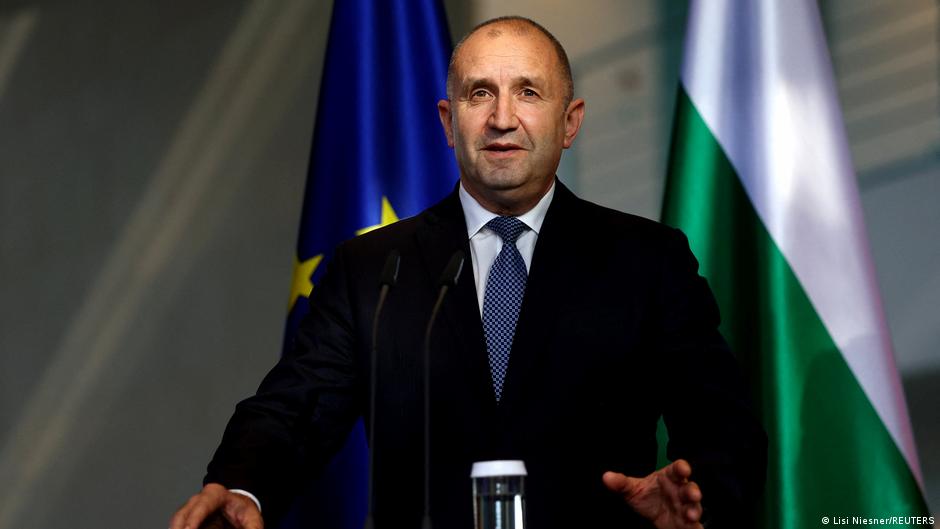
On June 18, Bulgarian Prime Minister Rumen Radev announced that Sofia will veto the European Union's new sanctions package targeting Russia. Radev expressed concerns over the potential negative impact of the sanctions on Bulgaria's economy, particularly highlighting risks to the country’s vital energy sector and supply chains.
Bulgaria’s Economic Concerns and Energy Sector Risks
Radev specifically pointed to the significant risk posed to the operations of Lukoil, a major oil company in Bulgaria. "There is a significant risk to Lukoil's activities. We want it to be excluded from the sanctions list," the Prime Minister told journalists ahead of the EU meeting in Brussels. Lukoil is one of Bulgaria’s largest motor fuel retailers and owns the country's only oil refinery, located in the port city of Burgas.
In addition to the energy sector, Radev raised concerns about potential disruptions in the supply of spare parts for the Sofia metro system and fertilizers used in agriculture. The Prime Minister questioned the efficacy of the sanctions, rhetorically asking, "How have these sanctions stopped the war? And how have they helped establish peace?"
"All these issues must be considered within the EU’s decision-making bodies. We support Ukraine’s EU accession negotiations, but these sanctions could undermine Bulgaria’s economy," Radev stated.
Broader EU Sanctions Context and Bulgaria’s Position
On June 15, the EU expanded its sanctions list to include 34 individuals and 47 entities associated with Russia’s military-industrial complex and the export of Russian oil, particularly through shadow shipping practices. The list includes Russian and foreign companies operating in Russia, Liberia, Turkey, the UAE, Azerbaijan, and Hong Kong. Notably, Lukoil-West Siberia was among the companies added to the sanctions.
The sanctions also targeted notable Russian figures, including Anatoly Kuzichev, host of the prominent program "Vremya Pokazhet" on Channel One Russia, and Metropolitan Tikhon of Simferopol and Crimea, who is considered a spiritual advisor to Russian President Vladimir Putin.
Despite Bulgaria’s veto threat, the government affirmed its support for the ongoing negotiations concerning Ukraine’s accession to the European Union. The tension highlights the complex balancing act Bulgaria faces between aligning with EU foreign policy and safeguarding its national economic interests.