EU Extends Sanctions on Russia for One Year Amid Shifts in Member States’ Positions
EU leaders agree for the first time to prolong sanctions against Russia for 12 months, signaling unified resolve and ongoing sectoral impact.
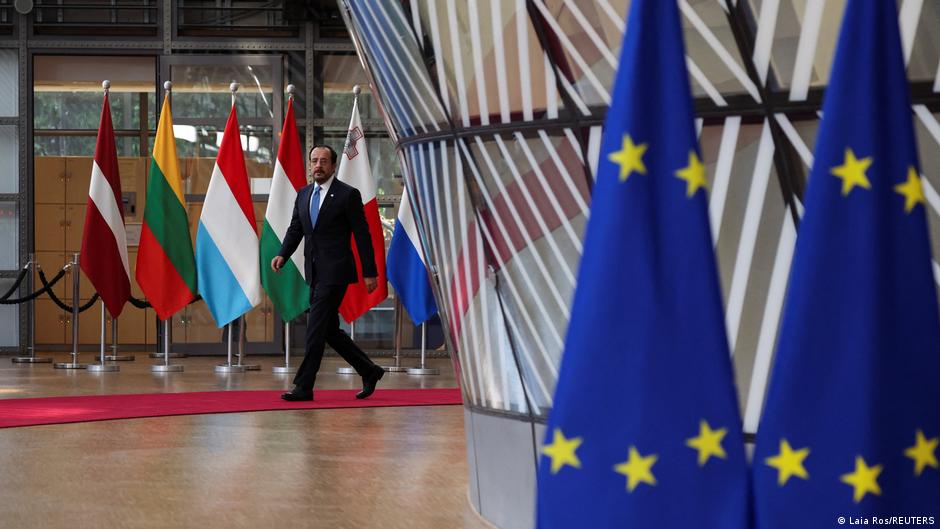
At a summit in Brussels on June 18, the European Union member states agreed to extend sanctions against Russia for a full year, a significant extension from the previous six-month renewals. This marks the first time the EU has prolonged these measures for such a duration, reflecting a notable shift in internal consensus and signaling increased pressure on the Russian economy amid the ongoing conflict in Ukraine.
Key Developments in EU Sanctions Policy
The agreement was reached without the veto that previously stalled similar decisions, primarily due to the change in leadership in Hungary. Former Prime Minister Viktor Orbán, who had persistently blocked longer-term extensions, was replaced by Peter Medgyessy in May, who supports the prolongation of sanctions.
A press statement from the European Council indicated that formal approval of the legislative package is expected in the coming weeks. The sanctions target Russia’s economy to weaken its military capabilities and curtail its aggressive war efforts in Ukraine.
"The EU intends to further increase pressure on Russia and continue to weaken its military economy, compelling the country to cease its brutal war and enter meaningful peace negotiations," the declaration from the summit stated.
All 27 EU nations backed the declaration condemning Russia’s actions, a consensus not reached since December 2024, when Orbán opposed the language. The EU underscored the importance of reducing Russia’s revenue from energy exports, including efforts to counteract the use of a so-called "shadow fleet" that circumvents restrictions.
Anticipated 21st Sanctions Package and Market Implications
While the content and timing of the 21st sanctions package remain pending, media reports suggest it may include travel bans for Russian military personnel involved in the Ukraine conflict. Additional measures could target prominent figures such as Patriarch Kirill of the Russian Orthodox Church and Arkady Dvorkovich, president of the International Chess Federation (FIDE).
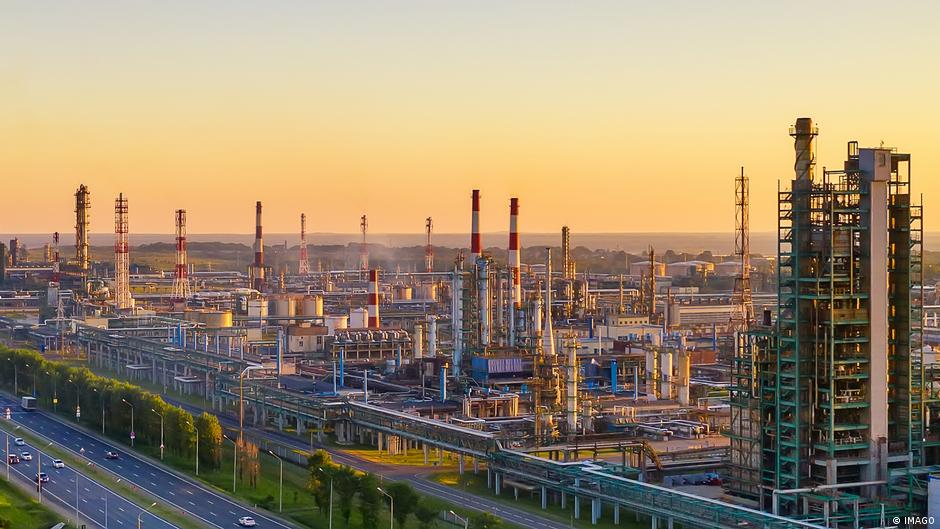
New restrictions are also expected across several sectors, including energy, finance, trade, and for the first time, fisheries. These expanded sanctions are likely to impact global commodity markets, energy supply chains, and financial flows linked with Russia.
However, the stance of some member states remains cautious. Bulgaria’s Prime Minister Rumen Radev announced a veto threat against the upcoming sanctions package, citing concerns about economic repercussions and disagreements over measures targeting Patriarch Kirill. Despite this, Bulgaria supports Ukraine’s EU accession talks.
Market Reactions and Sector Rotation
Investor focus is anticipated to sharpen on sectors sensitive to EU sanctions and Russian countermeasures, particularly energy, finance, and commodities. The longer-term sanctions horizon may prompt portfolio rotations away from companies with significant Russian exposure and towards sectors benefiting from the reconfiguration of European energy supplies.
Trading volumes in energy-related assets may see heightened volatility as the market digests the extended sanctions and anticipates further restrictive measures. The political alignment within the EU is likely to factor into market sentiment, with changes in member states’ positions influencing risk assessments.
As the EU formalizes the extension and details of the 21st sanctions package become clearer, real-time monitoring of market moves will be crucial for traders and investors navigating the evolving geopolitical landscape.