Hungary Reinstates Ban on Ukrainian Agricultural Imports Amid Market and Political Shifts
Hungary’s government immediately restores the ban on Ukrainian agricultural imports after a procedural lapse and reverses its planned withdrawal from the International Criminal Court.
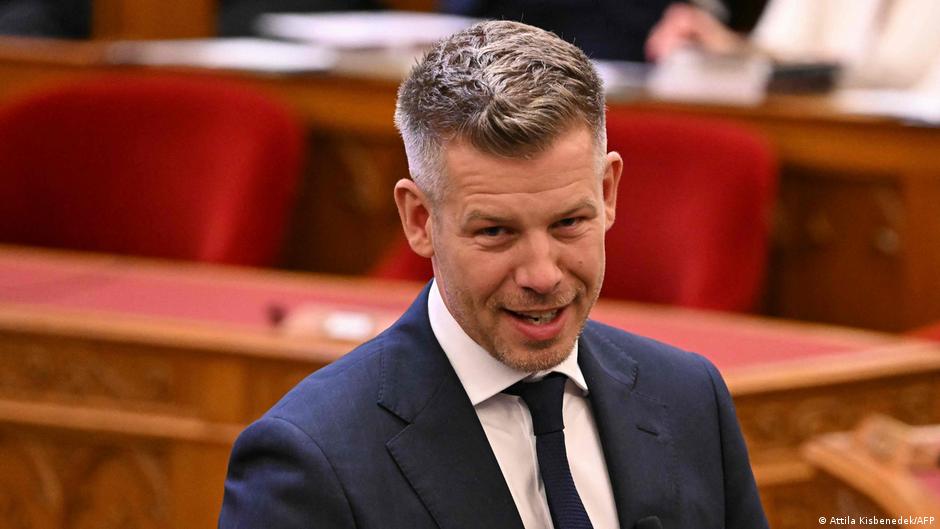
Hungary’s newly appointed Prime Minister, Péter Medgyessy, announced on May 22 that the government will reinstate the ban on agricultural imports from Ukraine. This ban, originally implemented under former Prime Minister Viktor Orbán in April 2023, had lapsed due to a procedural oversight following the recent change in government.
The temporary lifting of the ban, which lasted just over a week, was described by Hungarian officials as a “legislative error.” The ban initially targeted approximately 20 categories of Ukrainian agricultural products, including beef, pork, poultry, eggs, grain, flour, sunflower oil, and rapeseed oil, with honey expected to be added to the restricted list.
Market Impact and Sector Implications
Hungary’s decision to quickly reinstate the import restrictions has immediate implications for trade flows and regional agricultural markets. The ban aims to protect domestic farmers from what officials describe as a threat to their livelihoods caused by Ukrainian imports. This move follows similar temporary bans by Poland and Slovakia, reflecting broader regional concerns about market disruptions caused by duty-free Ukrainian agricultural products.
"We will not allow Ukrainian imports to threaten the livelihoods of Hungarian farmers," said Agriculture Minister Szabolcs Bóna.
Since May 2022, the European Union lifted tariffs on Ukrainian agricultural goods to support Ukraine’s economy amid the conflict with Russia. However, the influx of Ukrainian products has stirred discontent among farmers in neighboring EU countries, prompting these temporary protective measures.
Political Reversal on International Criminal Court Withdrawal
In a parallel development, Hungary has withdrawn its previous government’s notification of intent to exit the International Criminal Court (ICC). The outgoing administration had announced the withdrawal in April 2025, with the exit set to take effect in approximately one year. This announcement coincided with Israeli Prime Minister Benjamin Netanyahu’s visit to Hungary, which effectively shielded him from an ICC-issued arrest warrant.
Located in The Hague, the ICC investigates severe international crimes such as genocide, war crimes, and crimes against humanity. Hungary ratified the Rome Statute establishing the ICC in 2001 and is among over 100 member states, including all EU countries.
Reversing the ICC withdrawal signals Hungary’s renewed commitment to international legal frameworks amid evolving domestic and geopolitical considerations.
Broader Market and Political Context
Hungary’s rapid policy shifts highlight the complex interplay between political transitions and market regulations. The reinstatement of import restrictions on Ukrainian agricultural products will affect commodity flows and may trigger adjustments in supply chains and pricing across Central Europe. Traders and investors should monitor further developments closely, as sector rotations and trade volumes could shift in response to governmental actions aimed at protecting local agriculture.
At the same time, the decision to remain in the ICC aligns Hungary more closely with EU norms and international judicial processes, potentially impacting diplomatic relations and foreign investment sentiment.