NATO Intelligence Tracks Russia’s Undersea Nuclear-Capable Missile Deployment Efforts
NATO surveillance reveals Russia’s potential deployment of sea-bed ballistic missiles capable of carrying nuclear warheads, signaling a strategic shift in underwater deterrence.
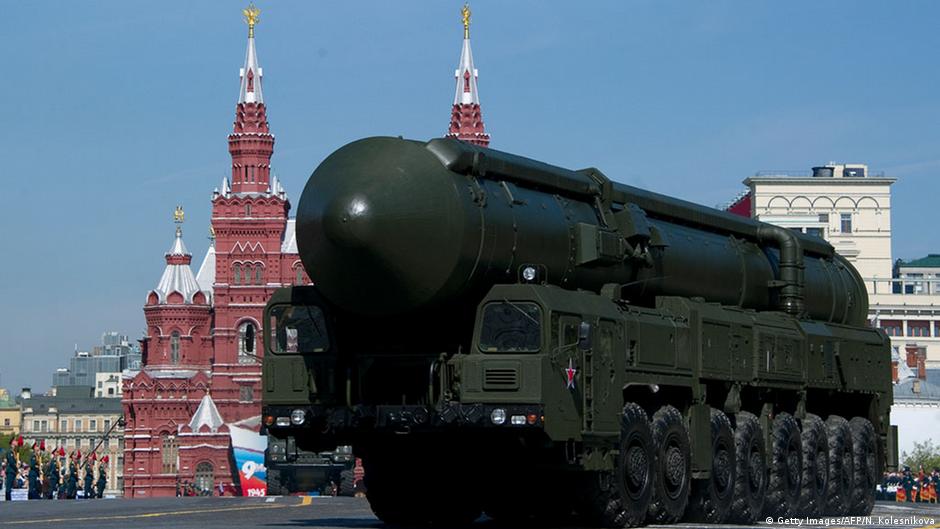
Recent NATO intelligence has uncovered activities by Russia's Northern Fleet that suggest efforts to deploy ballistic missiles capable of carrying nuclear warheads on the ocean floor. This development, reported by the German channel ARD citing investigations from WDR and NDR, marks a significant evolution in undersea strategic weaponry.
Secret Project “Skif” and Its Strategic Implications
Investigative journalists have been examining a clandestine Russian project codenamed "Skif" for several months. Their analysis included satellite imagery, Russian scientific databases, historical records, and consultations with military experts. According to NATO intelligence integrated into this investigation, Russia may have been working for years on placing ballistic missiles underwater using unprecedented methods.
These missile launch installations are expected to be extremely difficult to detect and eliminate, raising concerns about a new layer of strategic deterrence.
Specifically, the "Skif" missile is described as a modified version of the "Sineva" missile currently deployed on Russian submarines. These new missiles are designed to be launched from the seabed and reportedly have a range spanning several thousand kilometers. Tests of these missiles are believed to have taken place several years ago.
"Deploying missiles on the ocean floor might help Russia reduce reliance on costly submarines, maintaining nuclear deterrence more economically," commented Helge Adrians, expert at the Berlin-based Science and Politics Foundation (SWP).
Western intelligence suggests that these missiles could be stored in specialized silos or containers placed hundreds of meters below the sea surface. They could remain submerged for extended periods and be launched remotely when required.
It is further reported that the Russian vessel "Zvezdochka" and the submarine "Sarov," based in Severodvinsk on the White Sea coast, might be involved in deploying these undersea missile shafts.
Neither NATO nor the Russian Defense Ministry has officially commented on the "Skif" project. The Russian embassy in Berlin stated it has no information regarding the matter.
Technical Challenges and Legal Context
Despite the strategic advantages, deploying missiles on the seabed presents significant technical hurdles. Challenges include managing ocean currents, sediment accumulation in silos, power supply, and data transmission integrity.
Notably, an international treaty signed in 1971 by the U.S., USSR, and around 80 other countries prohibits placing nuclear weapons on the seabed in international waters. However, this treaty does not ban such deployments within a nation’s territorial waters, a nuance highlighted in media reports.
In 2017, former Russian Aerospace Forces Commander Viktor Bondarev acknowledged that "Skif" missiles resting on the seabed are part of Russia’s military arsenal, confirming the project's operational status within the country's defense capabilities.