US Charges Raul Castro for 1996 Killings Amid Heightened Cuba-US Tensions
Former Cuban leader Raul Castro indicted by US for 1996 deaths of American pilots amid escalating political friction.
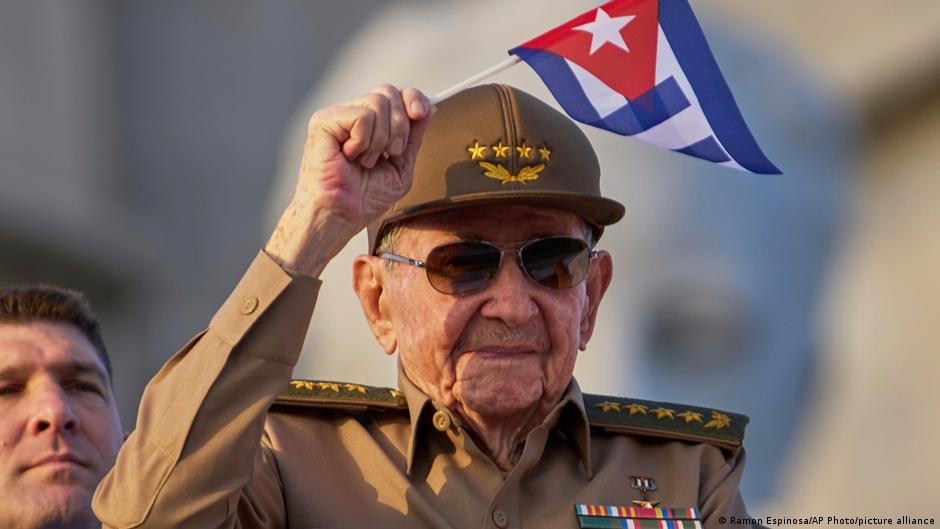
The United States Department of Justice has formally charged former Cuban leader Raul Castro with murder related to the 1996 downing of aircraft rescuing Cuban refugees. The indictment accuses Castro of conspiracy to kill US citizens during an incident that has further strained Cuba-US relations.
Background of the 1996 Incident and Charges
On May 20, acting US Attorney General Todd B. Blanche announced the charges in Miami against Raul Castro, who served as Cuba's Minister of Defense at the time of the incident. The case involves the shooting down of two planes belonging to the Miami-based Cuban exile group Brothers to the Rescue. These aircraft were engaged in humanitarian missions to assist Cubans fleeing by sea.
Both planes were shot down by Cuban fighter jets, resulting in the deaths of all four US citizens aboard. The Cuban government defended the military action as a legitimate response to airspace violations, but the International Civil Aviation Organization later determined the planes were downed over international waters.
"The message is clear," said Attorney General Blanche. "The United States and President Trump will not forget their citizens." He warned that if the 94-year-old Castro does not appear voluntarily, US authorities will forcibly bring him to face justice.
Despite Raul Castro’s advanced age, the US insists on accountability, signaling a symbolic yet firm stance. The Justice Department expects either voluntary surrender or extradition to proceed with legal action.
Implications Amid Rising Political Tensions
The indictment arrives amid a surge in tensions between Washington and Havana. In recent months, the US has intensified diplomatic pressure on Cuba, including imposing an energy blockade and supporting the removal of regional allies aligned with the Cuban government.
Senator Marco Rubio, son of Cuban emigrants and a prominent US figure on Latin American issues, released a video urging Cubans to reject their socialist leadership and embrace a new path offered by the Trump administration.
Raul Castro, brother of revolutionary leader Fidel Castro, previously played a key role in historic rapprochement efforts with the US under President Barack Obama—efforts later reversed under President Trump’s mandate.
Castro stepped down from official positions in 2018 and has made few public appearances since. There are no indications he has left Cuba or that Havana would extradite him to the United States.
This development highlights ongoing geopolitical friction in the Caribbean and underscores the US government's determination to hold foreign leaders accountable for actions against American nationals, even decades later.