Lukoil’s Nizhny Novgorod Refinery Halves Capacity Following Ukrainian Drone Strikes
Lukoil’s NORSI refinery in Russia reduces primary processing by 53% after drone attacks disrupt key operations.
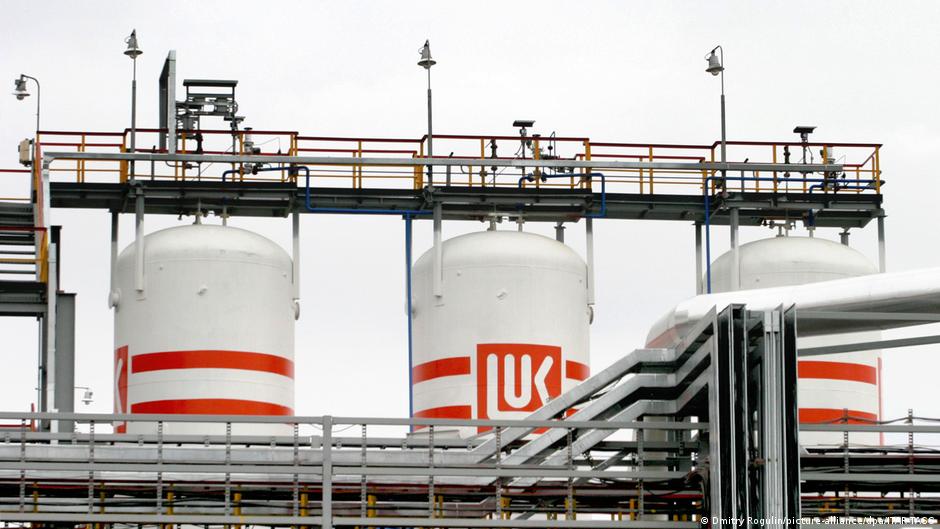
One of Russia's largest refineries, the Nizhny Novgorodnefteorgsintez (NORSI) operated by Lukoil, has significantly cut its refining capacity following an attack by Ukrainian drones in the early hours of May 20.
According to industry sources cited by Reuters, the refinery in Kstovo, Nizhny Novgorod region, has shut down its primary oil processing unit AVT-6, which accounts for 53% of the plant’s capacity—equivalent to 25,700 tons per day. NORSI is ranked as Russia's fourth-largest refinery and the country's second-largest gasoline producer, with an annual processing capacity of 16 million tons of crude oil, or roughly 320,000 barrels per day prior to the incident.
Impact on Russian Fuel Production
The drone strikes, attributed to Ukrainian forces, targeted the city of Kstovo during the night of May 20. While local officials have not confirmed the fire reported at the refinery, open-source intelligence and media outlets indicated damage and operational disruptions at the NORSI facility.
This event marks the second major disruption for the refinery in less than two months; it previously suffered damage from drone attacks on the night of April 5. The repeated strikes underline a growing vulnerability in Russia's refining infrastructure amid ongoing conflict.
"Nearly all large refineries in central Russia have been forced to halt or reduce fuel production following recent Ukrainian drone attacks," industry sources said.
Reuters reports that a range of major refineries in central Russia have either paused operations or scaled back output due to similar drone incursions over recent weeks. The combined capacity of affected refineries surpasses 83 million tons annually, or about 238,000 tons daily. This figure represents approximately one-quarter of Russia’s total refining capacity, including over 30% of gasoline production and roughly 25% of diesel fuel output.
Requests for comment from Russia’s Ministry of Energy have gone unanswered. Lukoil has also declined to comment on the situation.
The disruption at NORSI and other facilities poses significant implications for the Russian fuel supply chain, potentially pressuring domestic fuel markets and export capacities. Market participants should closely monitor further developments in refinery operations and regional security dynamics.