Ukraine and Key European Allies Discuss Diplomatic Efforts to End War in Video Conference
Leaders of Germany, France, and the UK met with Ukrainian President Zelensky to explore renewed diplomatic initiatives amid strategic battlefield gains.
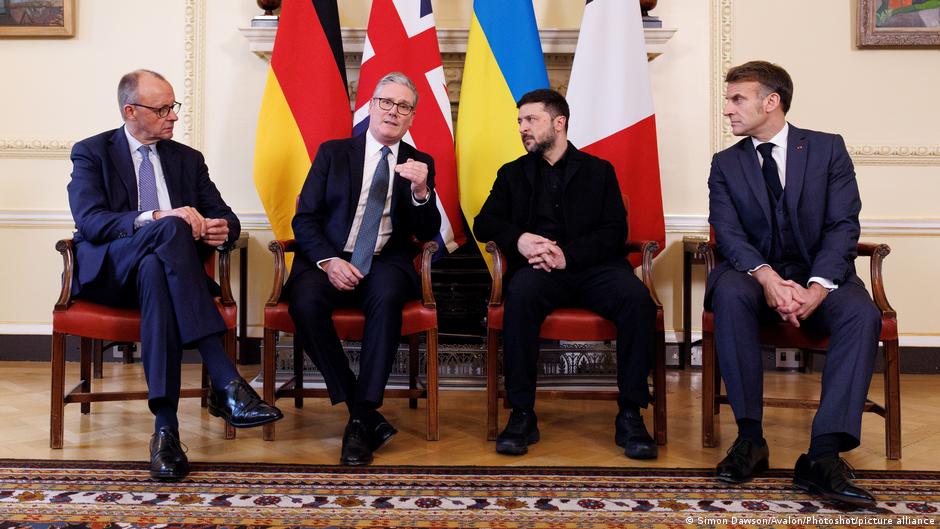
In a recent high-level video conference on May 22, 2026, Ukrainian President Volodymyr Zelensky engaged with Germany's Chancellor Friedrich Merz, France's President Emmanuel Macron, and the United Kingdom's Prime Minister Keir Starmer to discuss advancing diplomatic efforts aimed at ending the ongoing conflict with Russia.
European Allies Seek to Revitalize Peace Diplomacy
The meeting focused on strategies to "activate diplomacy in the name of peace" while ensuring Europe's active role in the resolution process, as Zelensky outlined via his official communication channels. Although detailed outcomes were not publicly disclosed, the discussion signaled a unified commitment among Ukraine's primary European partners to intensify support for Ukraine's defensive campaign and diplomatic engagement.
Keir Starmer's office, which organized the video call, reaffirmed the UK's strengthened backing for Ukraine's defense efforts, promising further reinforcement in the coming months. All parties acknowledged the pressing importance of countering Russian aggression to maintain security not only in Europe but globally.
"All partners note that Ukraine's position is significantly stronger—both on the battlefield and diplomatically. This momentum can drive effective peace negotiations," President Zelensky stated after the call.
This summit marked the first top-level dialogue in this format after a prolonged interval, with the United States currently preoccupied by its conflict with Iran and thus less directly engaged in Ukraine peace talks. Up to now, European allies have not directly participated in the Washington-mediated negotiations between Kyiv and Moscow.
Strategic Shifts and Intelligence Sharing
Following recent Ukrainian Armed Forces strikes against strategic Russian targets, the European leaders assessed that Kyiv has considerably strengthened its leverage. Zelensky also briefed his counterparts on intelligence concerning Russian plans involving Ukraine, Belarus, and broader European theaters, emphasizing ongoing intelligence sharing at the special services level among the four nations.
Looking ahead, Zelensky announced an upcoming meeting of national security advisors from these countries, indicating a strategic coordination effort designed to sustain pressure for diplomatic progress.
Meanwhile, Ukrainian Foreign Minister Andrii Sybiha characterized the current tripartite format involving Ukraine, the United States, and Russia as approaching its limits. He suggested that including European Union representatives in negotiations or convening a summit with the leaders of Ukraine, Russia, and the United States could inject new dynamism into peace efforts. Kyiv has notably advocated for such a trilateral summit involving former US President Donald Trump.
Sybiha also highlighted a pivotal moment in the conflict, underscoring the need for renewed impetus in diplomatic endeavors. US Secretary of State Marco Rubio echoed this sentiment during a press briefing in Prague, acknowledging that ceasefire talks have yet to yield concrete results and expressing cautious willingness to continue participation without becoming trapped in ineffective cycles of dialogue.
These developments underscore a critical juncture in the conflict, where battlefield developments and shifting alliances are prompting renewed diplomatic outreach aimed at resolving one of Europe's most enduring security crises.