Cuba Faces Another Nationwide Blackout Amid U.S. Economic Pressure and Fuel Shortages
Cuba’s electrical grid collapsed again as U.S. sanctions deepen and fuel supplies run critically low.
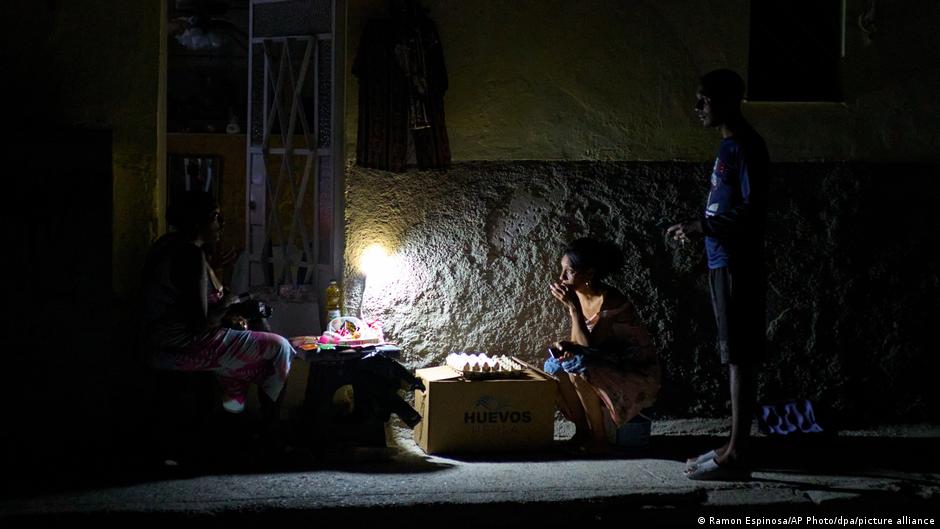
On Monday, July 6, Cuba experienced a complete nationwide blackout as its electrical grid failed once more, according to the state-run operator Unión Eléctrica. The Cuban government has initiated restoration efforts, but the exact cause of the outage remains under investigation.
Energy Crisis Intensifies Amid Tightened U.S. Sanctions
The blackout comes against a backdrop of escalating economic and political pressure from the United States, which has severely restricted Cuba’s fuel imports. Currently, Cuba can secure only about 40% of its required fuel volume. Since January 2026, U.S. sanctions have limited oil deliveries to the island to a single Russian tanker that arrived at the end of March, carrying 730,000 barrels. Those reserves were depleted by May, leaving Cuba with critically low energy resources.
As Bloomberg reports, the U.S. blockade has exacerbated chronic electricity shortages in Cuba, affecting nearly 10 million residents. In May, Cuban authorities announced that domestic fuel reserves were entirely exhausted.
Frequent power disruptions have become a harsh reality for Cubans this year. In mid-March, the entire country was plunged into darkness for several hours, and in May, the eastern provinces suffered similar outages. To manage the crisis, the government has imposed planned blackouts lasting up to 24 hours to conserve electricity.
"The energy shortage has forced Cuba to implement planned power cuts that can last up to a full day," Bloomberg noted, highlighting the severe strain on the island's infrastructure.
In response to the prolonged crisis, Cuba has embarked on substantial reforms, including the largest partial privatization effort in 65 years. In June 2026, Cuban authorities proposed nearly 200 market-oriented reforms aiming to persuade Washington to lift the fuel blockade.
However, diplomatic negotiations between Cuba and the United States have stalled. According to Bloomberg, the Trump administration continues to leverage political and economic pressure in hopes of replacing the Cuban government with a more U.S.-friendly regime.
The ongoing energy crisis and harsh sanctions represent significant challenges to Cuba's economy and social stability. Market observers will be closely monitoring how these developments impact regional trade flows, fuel supply chains, and potential sector rotations within Caribbean and Latin American markets.