Germany Approves 2027 Budget with Increased Defense Spending and Higher Borrowing
Federal budget plan for 2027 forecasts 6% rise in spending and a surge in borrowing to bolster defense amid security concerns.
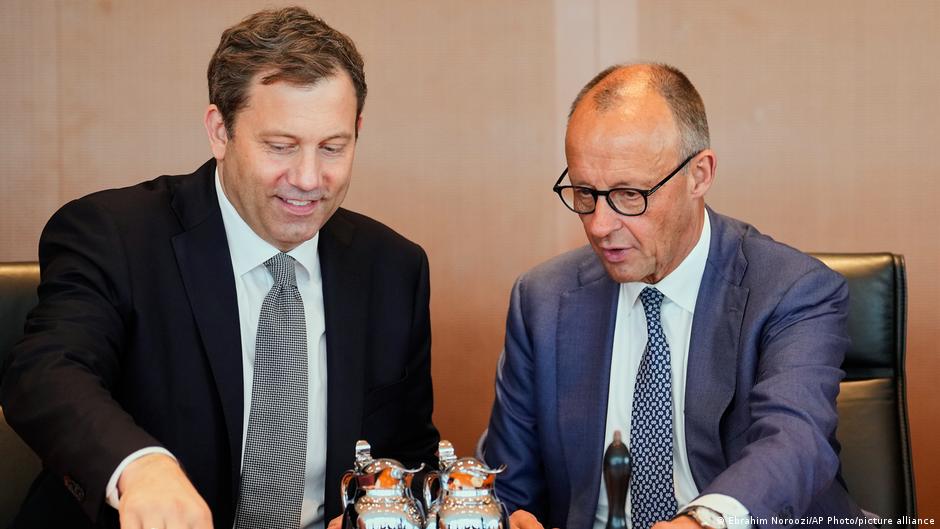
On July 6, the German government approved the draft federal budget for 2027, outlining significant increases in both expenditures and borrowing. The budget, prepared by Finance Minister Lars Klingbeil, envisions total spending rising to €555.4 billion—up nearly 6% from the current year—and net new borrowing climbing to €118.7 billion from €98 billion in 2023.
Key Budget Allocations and Defense Boost
The largest share of the budget remains allocated to the Federal Ministry of Labour and Social Affairs, with €201.4 billion primarily earmarked for pension payments. The Ministry of Defense is set to receive a substantial 32.7% increase, growing its budget from €82.69 billion this year to €109.75 billion next year. The Ministry of Transport is the third-largest recipient with funding of €26.43 billion.
Finance Minister Klingbeil justified the budgetary expansion and higher borrowing citing heightened security challenges due to Russia's threat. "We must make up for three decades of underfunding that weakened our armed forces, and do so within a very tight timeframe," Klingbeil stated. He emphasized that a balanced budget would not enable sufficient defense capabilities to protect against Russian aggression.
"We will not be able to defend ourselves against Putin with a balanced budget," Klingbeil remarked, underlining the urgency of increased defense spending.
Industry and Business Groups Express Concern
The aggressive increase in spending and borrowing drew criticism from Germany’s industrial and business sectors. The German Federation of Industries (BDI) voiced worries about the planned budget expansion. BDI CEO Tanja Gönner said, "The proposed growth in expenditure and borrowing is worrisome. We need measures to stimulate economic growth and improve the efficiency of public spending."
Similarly, Helena Melnikov, CEO of the Association of German Chambers of Commerce and Industry (DIHK), called for budget revisions. She warned that by 2030, spending on social services, defense, and debt interest would consume 80% of the federal budget, leaving little room for growth-oriented investments.
The draft budget must still be approved by the Bundestag before it can be enacted. The increased borrowing to finance higher defense spending marks a notable shift in Germany’s fiscal policy, reflecting the government’s response to evolving geopolitical risks and economic pressures.