Canada Chooses German TKMS Submarines in $100 Billion NATO Defense Boost
Germany welcomes Canada’s decision to purchase 212CD class submarines, reinforcing transatlantic defense collaboration ahead of NATO summit.
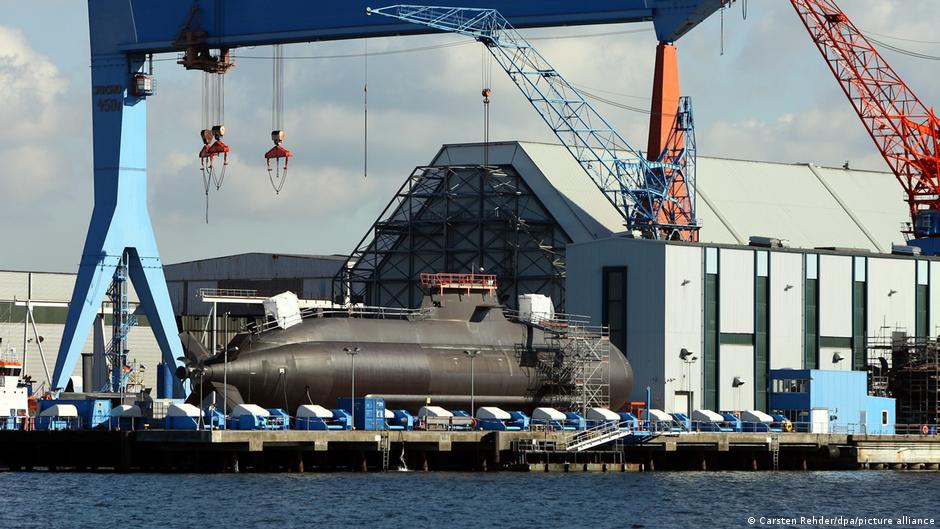
Germany has endorsed Canada’s decision to procure up to 12 advanced non-nuclear submarines from German manufacturer ThyssenKrupp Marine Systems (TKMS), marking a significant boost to NATO’s strategic capabilities.
Strengthening NATO Defense Cooperation
On July 6, German Chancellor Friedrich Merz hailed the Canadian selection of TKMS as a "powerful signal" of transatlantic and European defense cooperation. With the NATO summit commencing the following day, Merz emphasized that Canada’s move underscores the alliance’s commitment to joint security efforts.
Previously, Canadian Prime Minister Mark Carney officially confirmed the acquisition of up to 12 Type 212CD submarines, a cutting-edge class jointly developed by Germany and Norway. These vessels are expected to enhance Canada’s naval capabilities in the strategically vital Arctic and North Atlantic regions.
"Together we will build the largest and most modern non-nuclear submarine fleet in the world," said German Defense Minister Boris Pistorius.
Defense Minister Pistorius welcomed the decision, highlighting that the future submarine fleet comprising Canada, Germany, and Norway will be a cornerstone of NATO’s Northern security strategy. He pointed to the importance of equitable burden-sharing within the alliance, with the submarines facilitating real-time information exchange and operational coordination across the Arctic and surrounding waters.
German Foreign Minister Johann Wadephul also expressed satisfaction that Canada chose TKMS after a competitive bidding process against South Korea’s Hanwha Ocean shipyard. He characterized TKMS’s submarines as "the best non-nuclear submarines in the world," noting that this trilateral partnership signals a new era in defense and industrial policy cooperation among the three nations.
The contract’s total value, factoring in construction, long-term maintenance, and operational support, could reach approximately €100 billion, reflecting the extensive scope and strategic importance of the procurement.
This landmark deal arrives as global powers increasingly prioritize Arctic security amid shifting geopolitical dynamics. By integrating the latest submarine technology into NATO’s northern fleet, the alliance aims to bolster maritime domain awareness, deterrence, and rapid response capabilities.
Market watchers can anticipate heightened activity in European defense stocks, especially those linked to TKMS’s parent group, as the contract advances from announcement to implementation phases. The deal also underscores growing sector rotation into defense manufacturing amid escalating geopolitical uncertainties and increased government spending.