Latvia Publishes First List of Companies Trading with Russia Amid Ongoing War
Latvia releases registry of 170 firms maintaining trade ties with Russia and Belarus despite conflict and sanctions.
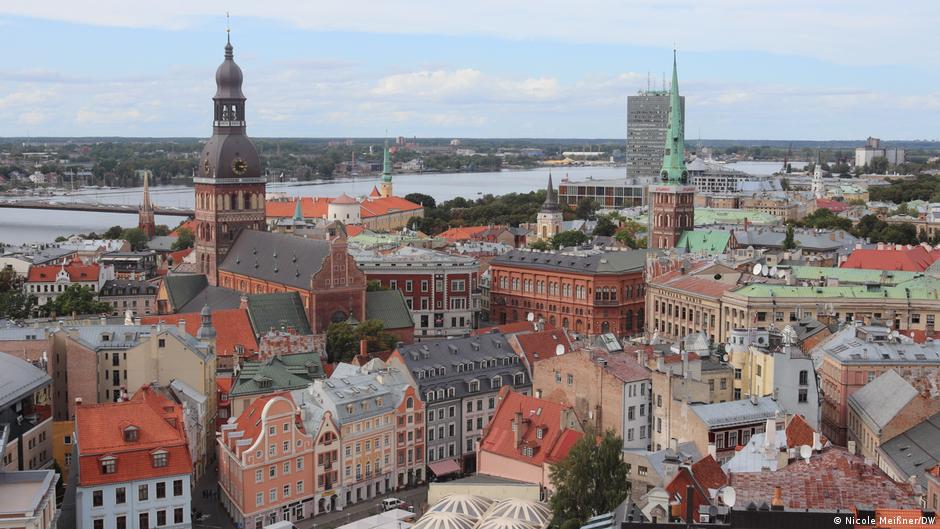
In a landmark move, Latvian authorities have publicly disclosed for the first time a list of approximately 170 local companies continuing trade activities with Russia and Belarus. This announcement comes amid the ongoing Russian invasion of Ukraine and heightened scrutiny over economic links with Moscow and Minsk.
The Central Statistical Bureau of Latvia published the registry on August 20, detailing firms engaged in either exporting to or importing from Russia and Belarus. Importantly, none of the companies listed are reported to be violating international sanctions, as the trades occur in sectors exempt from restrictions such as food products and pharmaceuticals.
Market Impact and Transparency Measures
This registry is to be updated monthly, increasing transparency for consumers, business partners, and other stakeholders who may reconsider their associations with firms maintaining economic ties to countries involved in the conflict. The publication was made possible by recent amendments to Latvian legislation supporting Ukraine’s civilian population, which mandated public disclosure of such information.
"The goal is to enable market participants to make informed decisions about their cooperation, reflecting both ethical considerations and compliance with legislative frameworks," Latvian officials noted.
Latvia, a close ally of Kyiv, has implemented a series of restrictions on importing Russian and Belarusian goods since the full-scale invasion began. Additionally, several Latvian businesses have voluntarily halted or reduced trade with these countries in response to geopolitical pressures and consumer sentiment.
The list has already been dubbed the "list of shame" by some Latvian media outlets, reflecting the sensitive nature of continuing commercial relations amid wartime conditions. This move underscores how geopolitical conflicts are deeply influencing market flows, sector rotations, and trading volumes within the Baltic region.
Global market observers will be watching how this registry affects trade patterns, supplier relationships, and broader economic alignments in Europe as governments and companies navigate the complex landscape of sanctions, ethical business practices, and real-time market intelligence.