Advisor to Rosneft CEO Predicts Russia’s Prolonged War Impacting Generations
Andrei Bezrukov warns Russia may endure warfare for decades, urging state and economic reforms to support defense alongside development.
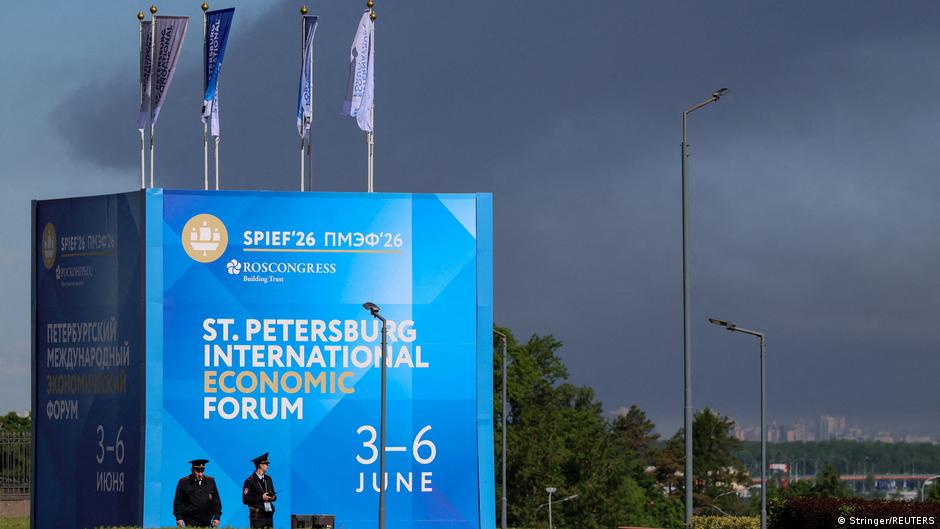
At the St. Petersburg International Economic Forum (SPIEF) on June 3, Andrei Bezrukov, political scientist and advisor to Rosneft CEO Igor Sechin, presented a stark assessment of Russia’s military and economic outlook. He predicted that Russia could remain in a state of war for the next several years, potentially extending to "a couple of decades," profoundly shaping the country’s future and generations.
Long-Term War and Societal Impact
Bezrukov described the conflict as possibly escalating into a "very hot war" similar to current conditions or evolving into a protracted "creeping war" even if it shifts geographically. He emphasized that this scenario would effectively produce "two generations that can be considered practically at war." This, he said, requires Russia to adapt its state governance and economic systems to simultaneously support national development and defense capabilities.
"We need to build a state system and economy that not only fulfills developmental goals but also addresses defense needs," Bezrukov stated at SPIEF.
His comments reflect an acknowledgment of sustained military tension that will influence Russia’s domestic and economic policies for years to come, signaling a strategic shift toward militarized economic planning tailored for endurance rather than short-term conflict resolution.
Emerging Threats Including Biological Warfare
Bezrukov also highlighted emerging threats, notably citing the concept of "biological warfare." He claimed technologies now exist that could enable viruses capable of annihilating entire populations. This assertion aligns with the Kremlin's longstanding narrative accusing Ukraine of hosting biolabs allegedly developing "ethnic weapons," a claim widely disputed by experts as unfeasible and lacking evidence.
Such rhetoric underscores the heightened security concerns that are shaping Russia’s defense posture and public messaging in the context of ongoing conflict.
Context: Recent Attacks and Infrastructure Disruptions
The warning of sustained conflict comes amid recent security incidents impacting civilian and economic infrastructure. On the night of June 3, St. Petersburg and the surrounding Leningrad region experienced attacks involving dozens of drones. Explosions were reported, along with smoke rising in the city skyline.
Local authorities, including St. Petersburg Governor Alexander Beglov, confirmed multiple injuries and significant property damage. One notable target was the Petersburg oil terminal, one of the largest oil transshipment hubs in northwestern Russia. In addition, residential buildings in the "Zhemchuzhny Cascade" complex near the Gulf of Finland suffered damage.
Communications were disrupted with mobile internet outages reported citywide, including failures to access even heavily regulated "white list" internet sites. Pulkovo Airport activated the "Kover" emergency plan, resulting in delays and cancellations affecting dozens of flights.
Background on Andrei Bezrukov
Bezrukov is a retired colonel of the Russian Foreign Intelligence Service known for his covert activities during the Cold War era. Under the alias "Donald Heathfield," he and his wife, Elena Vavilova, were arrested in 2010 by U.S. authorities and later exchanged back to Russia. His family, including sons who reclaimed Canadian citizenship, publicly distanced themselves from his espionage background.
His involvement in advising one of Russia’s largest energy companies at a time of heightened military tension highlights the interconnection between Russia’s energy sector and national security strategy.
Bezrukov’s warnings about a prolonged conflict and the need for comprehensive defense-oriented reforms provide critical insight into Russia’s strategic thinking amid ongoing geopolitical and military challenges.