EU Holds Off Naming Negotiator for Talks with Russia Amid Strategic Review
The European Union postpones appointing a special envoy to negotiate an end to the Ukraine conflict, prioritizing clarity on negotiation goals and sanctions pressure.
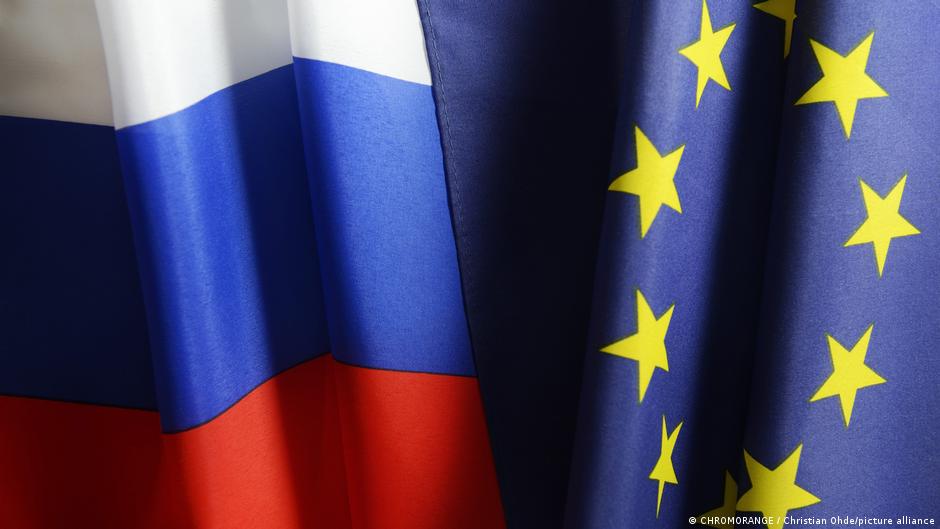
The European Union has decided not to appoint a representative to negotiate an end to the war in Ukraine at this time. EU officials emphasize the need to first develop a clear strategy and define specific objectives before engaging with Russia.
Strategic Pause Before Negotiations
According to high-ranking EU officials, the appointment of a dedicated EU negotiator is currently deemed premature by both the EU's High Representative for Foreign Affairs and Security Policy, Josep Borrell, and leading member states including Germany. "We need to agree first on what exactly we want to discuss with Russia," an EU official explained, highlighting the importance of aligning internal positions before initiating talks.
Brussels sees sanctions as a critical lever to bring Russian President Vladimir Putin to the negotiation table. As part of this approach, the European Commission and the European External Action Service (EEAS) are preparing to unveil the 21st package of sanctions targeting Russia, with a particular focus on the financial sector and suppliers to the Russian defense industry. This package is expected to be discussed in closed consultations among EU member states.
"We, Europeans, decide who speaks on our behalf. No one else," stated German Chancellor Friedrich Merz, reinforcing EU autonomy in selecting negotiation representatives.
Debate over Potential EU Negotiators
There has been active debate within the EU and its member states regarding the appointment of a special envoy for potential negotiations with Russia. Names considered for this role have included former European Central Bank President Mario Draghi, former German Chancellor Angela Merkel, and Finnish President Sauli Niinistö (noting the source’s mention of Alexander Stubb, former Finnish PM, but the more current figure often referred is Niinistö).
Russian President Vladimir Putin previously expressed a preference for former German Chancellor Gerhard Schröder as the EU's negotiator. Schröder is known for his close ties to Putin, but both the current German government and EU representatives have dismissed his candidacy. Chancellor Merz underscored that the EU retains full authority over who represents it in negotiations, rejecting external influence on this selection.
Market Implications and Sector Focus
This strategic stance and the forthcoming sanctions package signal continued pressure on sectors integral to Russia’s economy, particularly financial institutions and defense suppliers. Market participants are closely watching these developments, which could trigger further sector rotations and influence trading volumes in affected industries, including European financial stocks and energy firms.
Investors should remain alert to announcements regarding sanctions, as they will likely impact liquidity and risk sentiment in European markets. The EU’s cautious approach to negotiation signals an ongoing phase of geopolitical tension, with potential market volatility linked to diplomatic and regulatory developments.