Russia Weighs Wider Manpower Pool as War Attrition Pressures Regions
Putin backed a proposal to use volunteers deemed fully unfit for military service in rear-area drone defense roles.
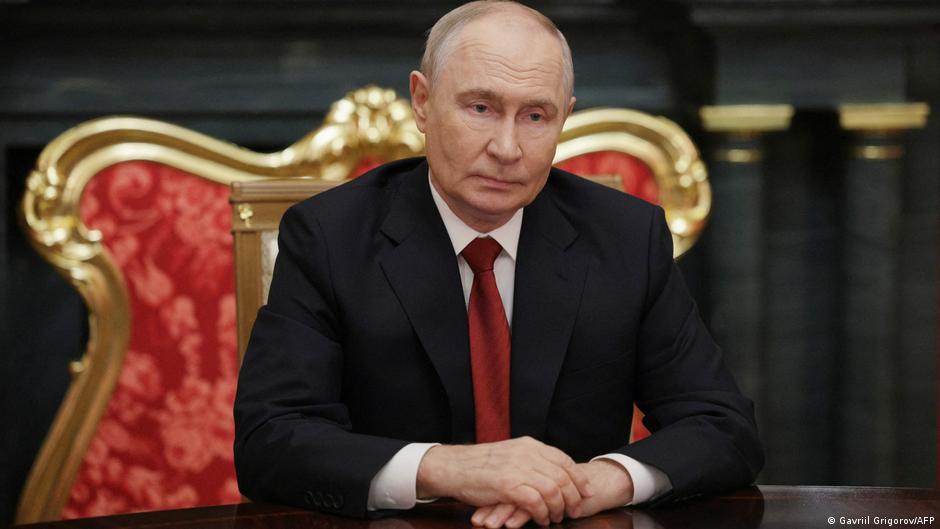
Russian President Vladimir Putin has endorsed a proposal that would widen the pool of people available for wartime support duties, backing the idea of involving volunteers classified as completely unfit for military service in efforts to defend rear-area facilities from drones. The move adds a fresh signal for markets tracking the economic strain of Russia’s prolonged war against Ukraine, where manpower, regional recruitment targets and domestic security needs continue to shape fiscal and labor-market risks.
The proposal came from pro-Kremlin war correspondent Yevgeny Poddubny during a meeting of the leadership of the United Russia party. According to media reports, Poddubny said the request had come from fighters who received the relevant health classification after combat wounds and argued that such people were capable of carrying out tasks, including in regional units responding to Ukrainian drone attacks away from the front line. Putin supported the proposal at the same meeting.
The category in question is Russia’s health classification “D,” meaning a person is considered absolutely unfit for military service. Under current Russian law, people in this category cannot sign contracts with the Defense Ministry. They are removed from military registration, and their personal files are sent to the archive.
Putin supported the idea of using volunteers deemed “absolutely unfit for military service” for rear-area defense tasks against drones.
Manpower Signals Matter for War-Economy Risk
For market participants, the announcement is not a conventional corporate or macroeconomic data point, but it is relevant to real-time assessment of Russia-linked risk. The Kremlin’s willingness to consider rear-area roles for citizens formally outside the military-service pool points to continued pressure from the war effort, even as officials deny plans for a new mobilization wave. Investors and analysts monitoring Russia’s budget path, regional fiscal burdens, defense-sector demand and labor constraints are likely to treat such signals as part of a broader wartime mobilization picture.
The proposal also comes as drone attacks have become a persistent security concern for regions far from the immediate front. Protection of infrastructure, logistics facilities and other rear-area sites has become a growing operational burden. Any expansion of personnel used for those duties could shift costs and responsibilities toward regional administrations and local units, reinforcing the importance of tracking sector rotation within the Russian economy toward defense, security and public administration functions.
Category “D” is assigned in cases of severe chronic illness and disability. The source article lists conditions including active tuberculosis, HIV infection, cancer, schizophrenia, absence of limbs, blindness or deafness. The potential involvement of people with that classification marks a notable departure from ordinary military eligibility standards, even if the roles described are rear-area tasks rather than front-line combat.
Mobilization Denials Meet Recruitment Pressure
Putin again addressed speculation about a new mobilization wave during the plenary session of the Eastern Economic Forum in Vladivostok on September 3. He said there was “no scenario that would require mobilization” and described the rumors as an “information attack” by the enemy ahead of State Duma elections, aimed at influencing the result. It was his second statement on the issue in a short period: the day before, after the Shanghai Cooperation Organization summit in Bishkek, he dismissed such fears using a crude phrase meaning they were nonsense.
At the same time, the 2022 decree on partial mobilization has not been formally canceled and remains in force. Russians have continued reporting summonses, military training notices and intensified recruitment efforts for the war against Ukraine. Pro-war Z channels said in July that compulsory conscription to the front could affect 1.2 million Russians and could be accompanied by informal arrangements with neighboring countries that would prevent men of draft age from leaving for adjacent states.
Those claims have not become official policy announcements, but they feed into the market-relevant question of how much additional manpower the Russian state may seek and what channels it may use. Any major expansion in recruitment could have consequences for regional budgets, household sentiment, labor availability and the composition of public spending.
The pressure is also visible in casualty and recruitment figures cited in the source. In August, according to the Institute for the Study of War, total Russian troop losses exceeded 40,000 people for the second consecutive month. The Financial Times, citing sources, reported that the Kremlin and Russia’s Defense Ministry instructed Russian regions to ensure the recruitment of 409,000 contract servicemen by the end of 2026 for participation in the war. To meet that target, authorities are increasing pressure on local officials.
For markets, the immediate read-through is not a single trade but a set of risk indicators: sustained defense labor demand, growing regional implementation burdens, continued security spending linked to drone defense, and uncertainty over whether formal mobilization remains politically avoidable. The latest proposal fits that pattern. It suggests the state is looking for additional capacity outside normal military channels while continuing to publicly reject the need for a broader mobilization scenario.