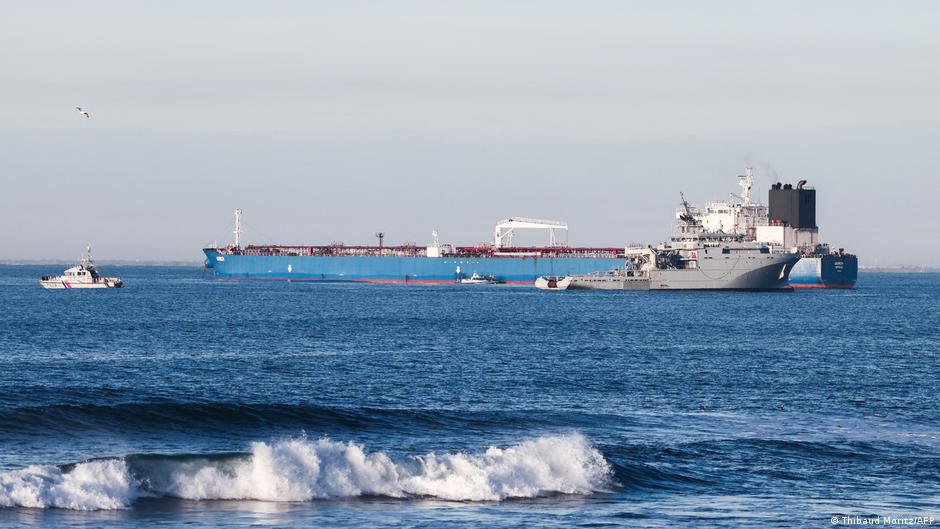
Russia Considers Temporary Ban on Diesel and Jet Fuel Exports Amid Refinery Disruptions
Russian authorities plan 1-2 month export restrictions on diesel and aviation kerosene to stabilize domestic fuel market.
Russian government officials are reportedly preparing to impose a temporary ban on the export of diesel fuel and aviation kerosene, aiming to stabilize the domestic fuel market amid ongoing supply disruptions. The move, expected to be approved soon by the Ministry of Economic Development, could last for one to two months.
Government Response to Fuel Market Challenges
On May 26, Russian Deputy Prime Minister Alexander Novak held a meeting to discuss the current fuel market situation. He emphasized the need for continuous monitoring and coordination among federal agencies and industry players to ensure market stability and to develop additional responsive measures if needed.
"It is necessary to continue constant monitoring of the situation to ensure coordination of actions between federal bodies and sector companies, and if necessary, promptly develop additional response measures," Novak stated.
Following the meeting, oil companies were advised to limit exports of petroleum products. This follows an existing full ban on gasoline exports, effective from April 1 through July 31.
Context: Strained Refinery Operations and Previous Export Controls
Restrictions on diesel exports have been intermittently applied since September 2023 to ensure sufficient domestic supplies. However, an export embargo on aviation kerosene would mark a first-time measure in this sector.
The drive for export limitations comes amid significant operational setbacks at Russian refineries, primarily due to repeated drone attacks attributed to Ukrainian forces. Recent reports indicate that nearly all major refineries in central Russia have either halted or reduced fuel production following these incidents.
The combined processing capacity of the affected refineries exceeds 83 million tons annually, equal to approximately 238,000 tons per day. This accounts for about a quarter of Russia's total refining capacity, including over 30% of gasoline and around 25% of diesel fuel production.
Attacks on Russian refineries have escalated sharply since the start of the war in Ukraine. No attacks were reported in 2022, but the count has risen to 4 in 2023, 34 in 2024, 88 in 2025, and already 33 in the first five months of 2026—surpassing the previous year’s total for the same period.
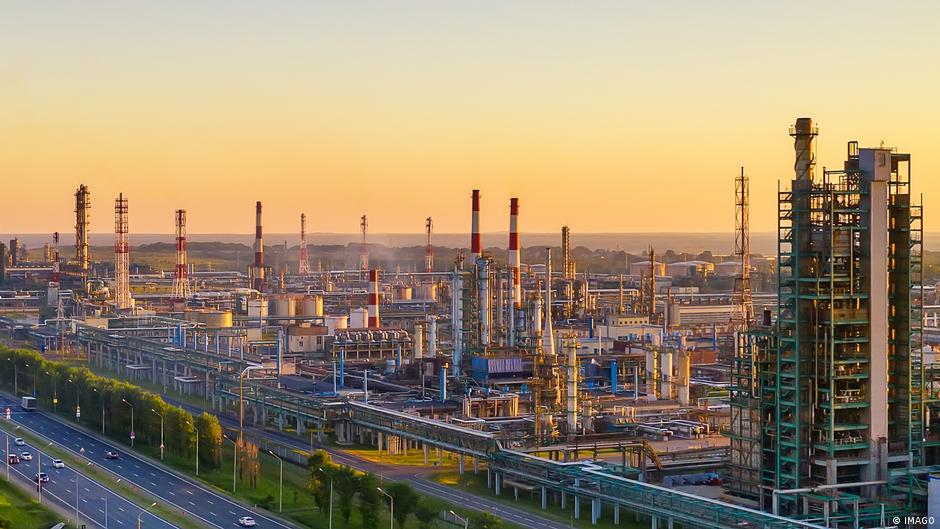
One notable impact was at Lukoil's Nizhny Novgorod refinery plant (NORSI) in Kstovo, which is among Russia's top five largest refineries. Following a drone strike on May 20, the facility was forced to shut down more than half of its processing capacity.
Market Implications and Outlook
These disruptions and the government's export restrictions are likely to tighten domestic availability of diesel and jet fuel, which could have downstream effects on transportation and logistics sectors. Traders and market watchers will be closely monitoring how these measures influence fuel prices and export volumes in the near term.
Given the critical role of diesel and aviation fuel in the economy, the situation underscores ongoing risks to Russia’s fuel supply chains amid geopolitical tensions and infrastructure vulnerabilities.